

Testicular Cancer: Why Young Malaysian Men Should Never Ignore a Painless Lump
Testicular cancer is the most common solid cancer in young men. Yet, awareness of the disease remains low. Globally, about 1in 250 males will develop testicular cancer. It most commonly affects men aged 15 to 35, with 33 years old being the average age of diagnosis.

According to Dr Murali Sundram Mikaail bin Abdullah, Consultant Urologist and Robotic Surgeon at Sunway Medical Centre, Sunway City, advances in treatment have greatly improved patient outcomes. “Testicular cancer has a five-year survival rate of approximately 95% especially when diagnosed and treated early.
Don’t Ignore a Painless Lump
Dr Murali advises that every painless lump should be assessed by a urologist without delay. “The early sign of testicular cancer is a painless swelling of one testicle. This may be noticed by the patient himself or sometimes by his sexual partner.”Because it does not cause pain, many men ignore it or delay seeing a doctor.
He also encourages all men, especially younger men, to perform regular testicular self-examinations. Early detection gives patients the best chance of a cure.
How Testicular Cancer Is Diagnosed
If a lump is found, doctors usually begin with an ultrasound scan. An ultrasound has about a 90% accuracy rate for diagnosing testicular cancer. If cancer is suspected, blood tests for tumour markers and CT scans of the abdomen and lungs are performed to determine whether the cancer has spread.”
When found early, testicular cancer is usually confined to the testicle (Stage I). Later stages mean the cancer has spread to nearby lymph nodes or other organs, such as the lungs or bones.
Early Treatment Is Often Simple
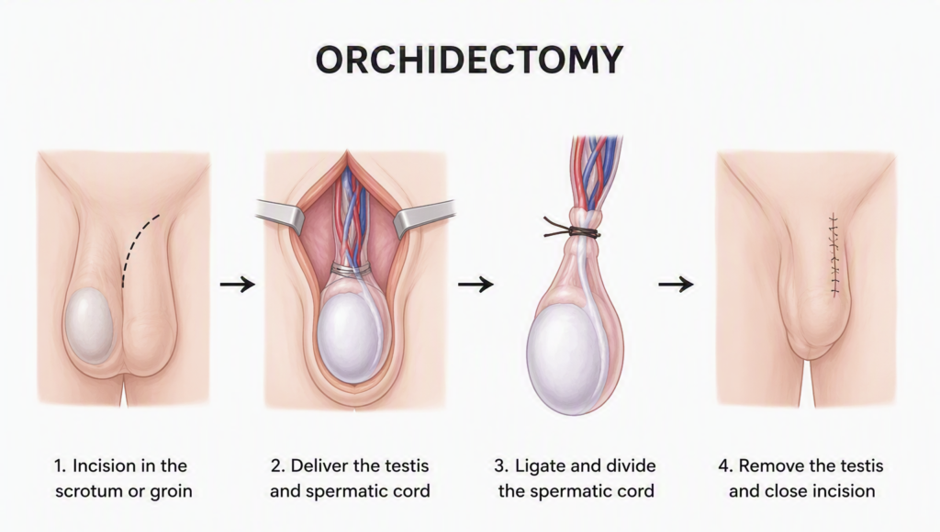
Stage I testicular cancer is usually treated with an orchidectomy, which removes the affected testicle. The procedure typically requires only a one-day hospital stay. Dr Murali says 70 to 85% of Stage I patients are cured with surgery alone. Some patients may also receive a single course of chemotherapy to lower the risk of recurrence.
Removing one testicle usually does not affect sexual function or fertility if the remaining testicle is healthy. Orchidectomy usually does not affect sexual function or fertility if the remaining testis has normal function.
Effective Treatment for Advanced Cancer
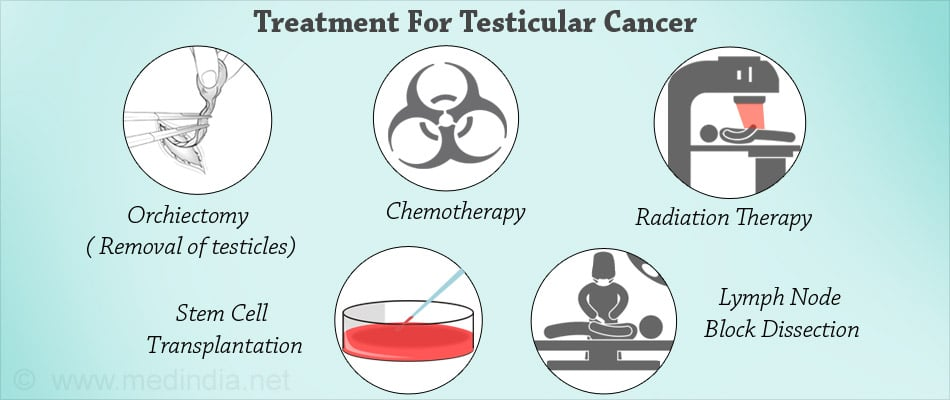
Patients are monitored closely for at least 5 years after treatment. Although some may experience recurrence, effective treatment options remain available.
For Stage II and Stage III disease, chemotherapy is the main treatment. Even when the cancer has spread, outcomes remain encouraging. Dr Murali says about 70% of patients with advanced testicular cancer can be completely cured with chemotherapy.
Robotic Surgery Speeds Up Recovery
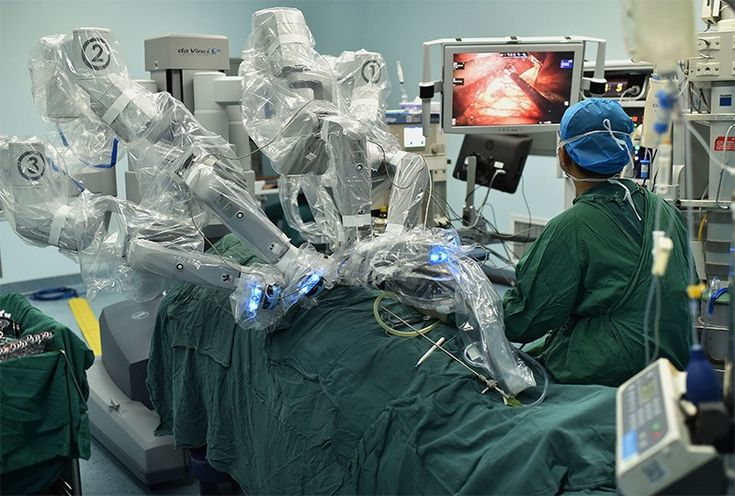
Some patients may still have enlarged lymph nodes after chemotherapy. They may need retroperitoneal lymph node dissection (RPLND) to remove any remaining cancerous tissue.
Today, selected patients can undergo robotic-assisted RPLND instead of traditional open surgery. Smaller incisions often mean less pain and a faster recovery.
However, Dr Murali says open surgery remains the preferred option for more complex cases.
Early Detection Makes the Difference
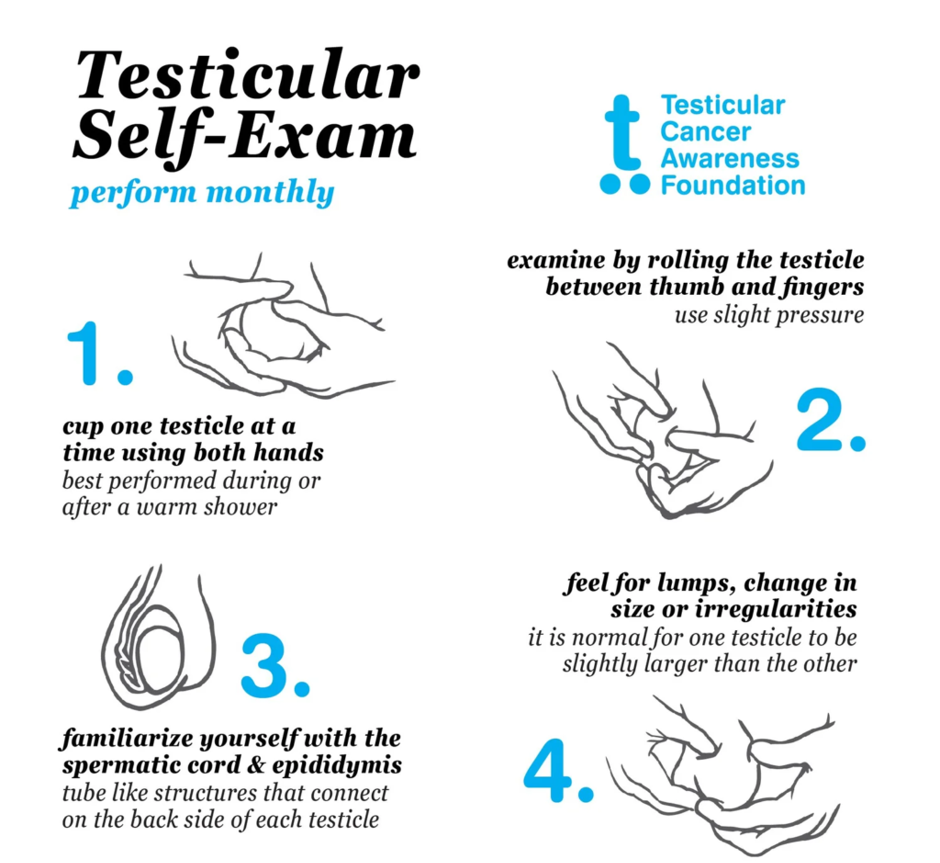
“Testicular cancer commonly presents as a painless swelling of the testicle. Regular testicular self-examination allows the disease to be detected at an early stage, when treatment outcomes are excellent.”
For young Malaysian men, a quick monthly self-check could save a life. If you notice a lump, swelling or any unusual change, seek medical advice as soon as possible.
References
- Key Statistics for Testicular Cancer | American Cancer Society
- EAU-Guidelines-on-Testicular-Cancer-2025.pdf
- Heidenreich A et al. Postchemotherapy Retroperitoneal Lymph Node Dissection in Testicular Cancer.
- Journal of Clinical Oncology. Postchemotherapy retroperitoneal lymph node dissection in advanced testicular cancer: radical or modified template resection.