
The Hygiene Myth That Hurts Women
For generations, women have been taught that intimate cleanliness means getting rid of as many germs as possible. This mindset has also influenced the hygiene products available today, with many promoting powerful cleansing and antibacterial benefits.
But is eliminating bacteria really the goal?
The vagina has its own natural way of maintaining a healthy environment. Unlike the idea that it needs to be constantly cleaned or disinfected, the vagina normally maintains its own microbial balance and does not need internal washing. In fact, not all bacteria are harmful. Some are essential to maintaining vaginal health.
Why “Good Bacteria” Matter
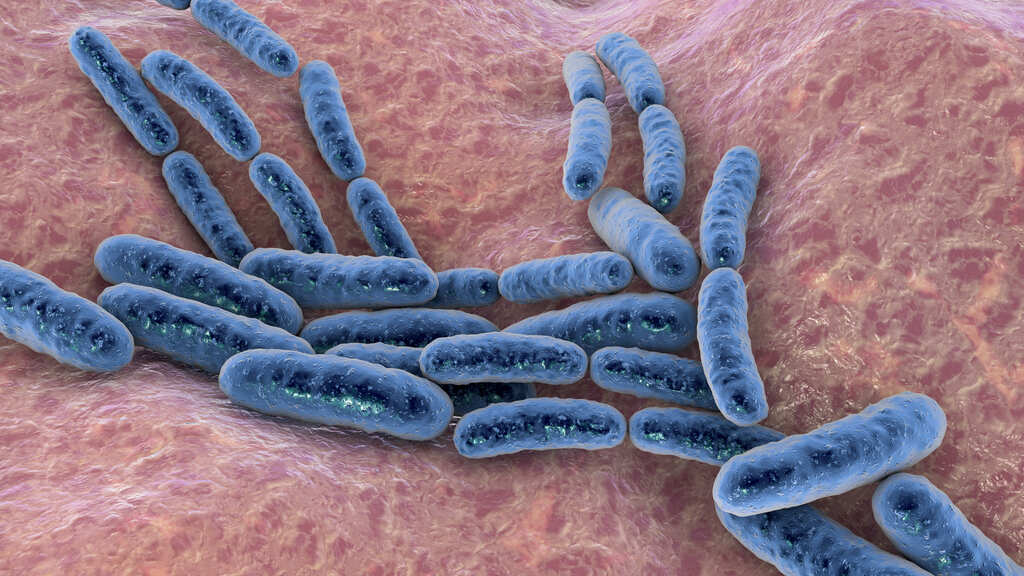
One of the key groups of beneficial bacteria found in the vagina is Lactobacillus. These bacteria help keep the vaginal environment mildly acidic, with a typical pH of around 3.8 to 4.5. This creates an environment that can help limit the growth of certain harmful bacteria and yeast.
The vaginal microbiome is not fixed, however. It can change throughout a woman’s life and may be influenced by menstruation, hormonal changes, stress, medication, lifestyle and certain hygiene practices. When the natural balance changes, symptoms such as irritation, dryness, unusual discharge, odour or discomfort may occur.
This is why the conversation around feminine hygiene is beginning to change. Instead of treating all bacteria as something that needs to be removed, researchers are paying greater attention to maintaining the microorganisms that naturally help protect vaginal health.
Is Your Hygiene Routine Too Much?
Wanting to feel fresh and clean is completely understandable. However, some intimate hygiene routines may do more than simply remove sweat or external residue. Frequent washing, strongly fragranced products, harsh antibacterial ingredients and alcohol-containing formulations may irritate the sensitive skin around the intimate area.
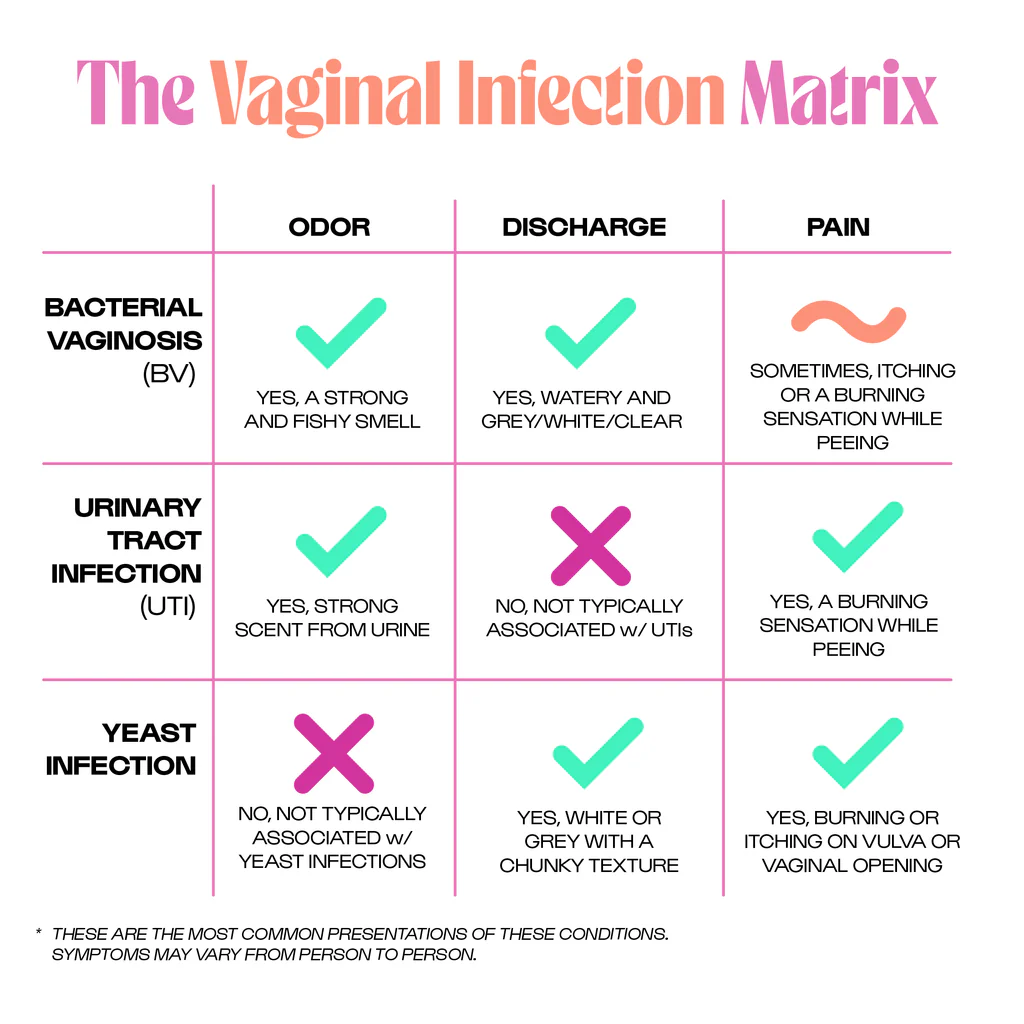
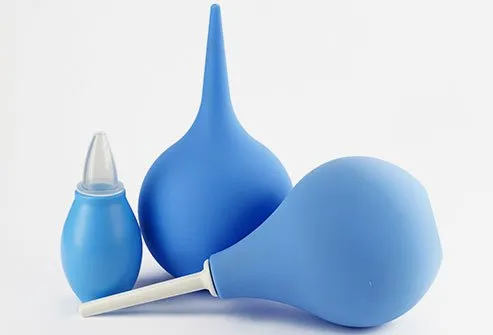
Douching and other forms of internal cleansing can be particularly problematic because they may interfere with the vagina’s natural microbial environment. A disrupted vaginal microbiome may be linked to symptoms including discomfort, unusual discharge, odour and irritation.
Changes in the microbiome have also been associated with conditions such as bacterial vaginosis, yeast infections and UTIs.
However, these conditions are complex and can have several contributing factors. They should not be blamed on hygiene practices alone.
For some women, repeatedly trying to treat intimate discomfort by cleansing more may actually create a cycle of irritation and imbalance.
A New Way to Think About Feminine Hygiene
Intimate health remains an important concern for women in Malaysia. A Malaysian study reported that almost one in three women surveyed had experienced vaginitis, highlighting the importance of better awareness around vaginal health and everyday hygiene practices.

Dato Dr Bryant Yap, Executive Chairman & CEO of Klinik Yap & Partners Malaysia and a primary care physician with more than 20 years of clinical experience, says vaginal health concerns are frequently encountered in primary care. Quoting him, “In primary care practice, we see many women affected by conditions such as bacterial vaginosis, recurrent urinary tract infections and other intimate health concerns. As our understanding of the vaginal microbiome continues to grow, preserving beneficial Lactobacillus and supporting the body’s natural protective environment is becoming an increasingly important consideration. Having more microbiome-conscious care options may provide women and healthcare professionals with another way to support long-term intimate health.”
As scientists learn more about the vaginal microbiome, there is increasing interest in products and approaches designed to respect this natural ecosystem. The focus is gradually moving away from broad, aggressive cleansing towards more targeted and microbiome-conscious intimate care.
Researchers are also exploring ways to address harmful microorganisms without unnecessarily affecting beneficial bacteria. It represents a different approach to feminine hygiene—one that recognises that the goal is not to eliminate everything, but to maintain the right balance.
Caring for Your Natural Balance
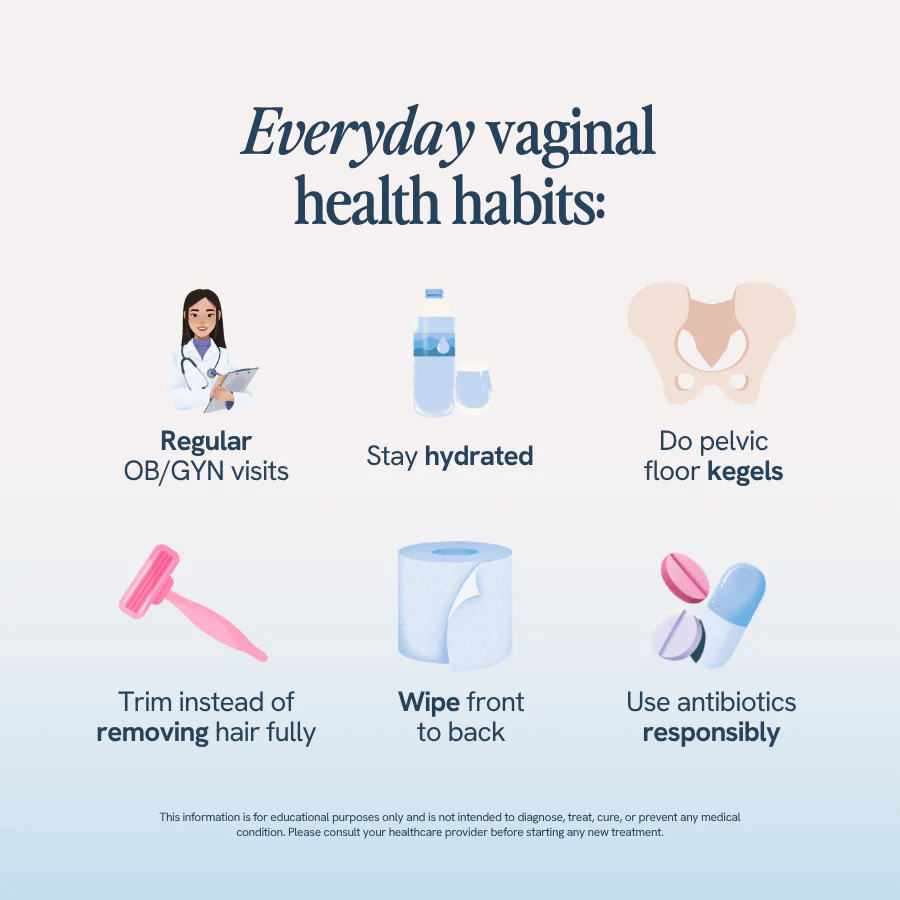
Good intimate hygiene does not mean trying to make the vaginal environment completely free of bacteria. The body already has natural mechanisms that help maintain vaginal health. For everyday care, gentle cleansing of the external area is generally preferable to harsh or excessive washing. Internal cleansing should be avoided unless specifically recommended by a healthcare professional.
Pay attention to changes in your body, too. Persistent itching, unusual discharge, strong odour, pain or other ongoing symptoms should be assessed by a healthcare professional rather than treated through increasingly intensive cleansing.
The bigger message is simple: when it comes to intimate hygiene, cleaner does not necessarily mean healthier. Understanding and respecting the body’s natural balance may be a better approach.