
Malaysian Surgeon Dato’ Dr Loh Chit Sin Surpasses 1,400 Robotic Surgeries, Receives Prestigious Regional Milestone Award
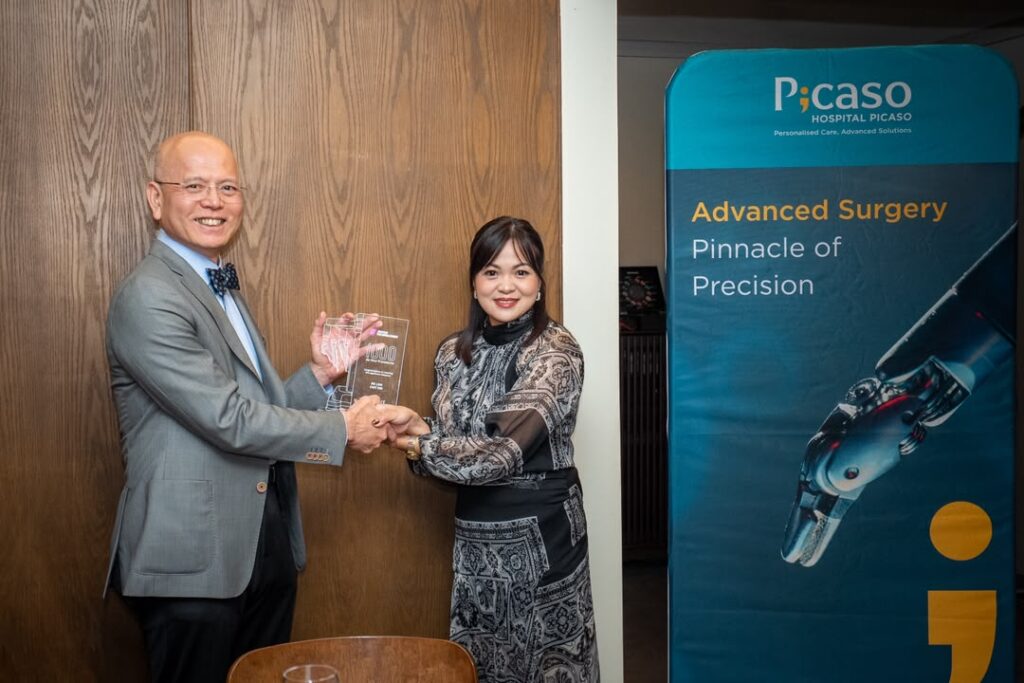
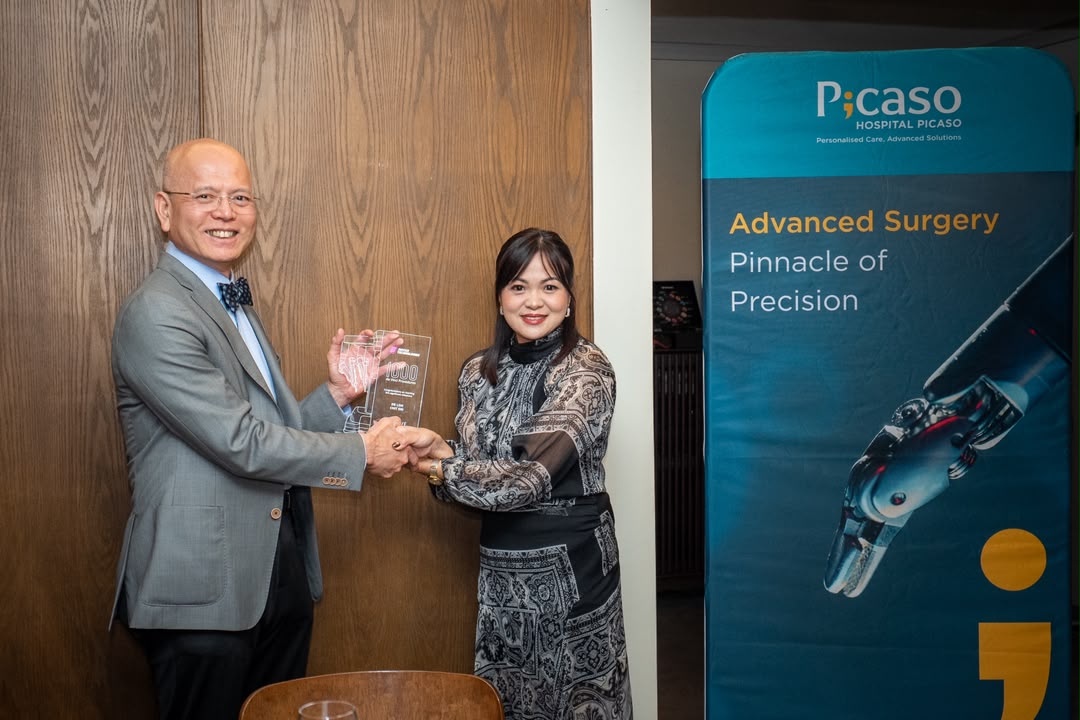
1,000th Robotic Surgical Case Milestone Award to Dato’ Dr. Loh
PETALING JAYA, 9 July 2026 – Dato’ Dr Loh Chit Sin, Chairman of Clinical Practice and Consultant Urologist at Hospital Picaso, has been recognised with the 1,000th Robotic Surgical Case Milestone Award, becoming the only Malaysian surgeon to receive the prestigious regional honour alongside three surgeons from Thailand.
Although the award recognises surgeons who have successfully completed more than 1,000 robotic-assisted procedures, Dato’ Dr Loh has already performed over 1,400 robotic-assisted surgeries, reflecting his extensive experience in minimally invasive surgery.
The milestone was celebrated during a dinner hosted by Hospital Picaso and DTG Medical at AG (Alti Gusti), Petaling Jaya, bringing together healthcare professionals to discuss the future of robotic surgery in Malaysia and its growing role in improving patient care.
Robotic Surgery Is More Than Just Advanced Technology
While robotic-assisted surgery continues to transform modern healthcare, experts at the event stressed that technology alone does not guarantee better patient outcomes.
Kathleen San Diego, Business Manager – Commercial, Robotic Surgery at DTG Medical, said the true value of robotic surgery depends on the expertise of the surgeon and the healthcare team.
“Technology alone does not define the quality of care. Its value lies in how it is applied by capable clinicians, supported by a well-prepared team and strengthened through continuous training, shared learning and clinical experience.”
She emphasised that robotic systems are designed to enhance surgical precision—not replace the judgement and experience of skilled surgeons.
Better Technology Still Requires Better Decision-Making
Experts highlighted that successful robotic surgery depends on careful patient selection, thorough planning and teamwork.
If a procedure becomes prolonged or involves significant blood loss, some of the advantages of minimally invasive surgery may be reduced. For this reason, surgeons must combine advanced technology with sound clinical judgement and experience to achieve the best outcomes.
Robotic surgery is also becoming increasingly collaborative, with specialists from different medical disciplines working together during complex procedures to ensure patients receive the safest and most effective treatment.
Continuous Learning Is Essential
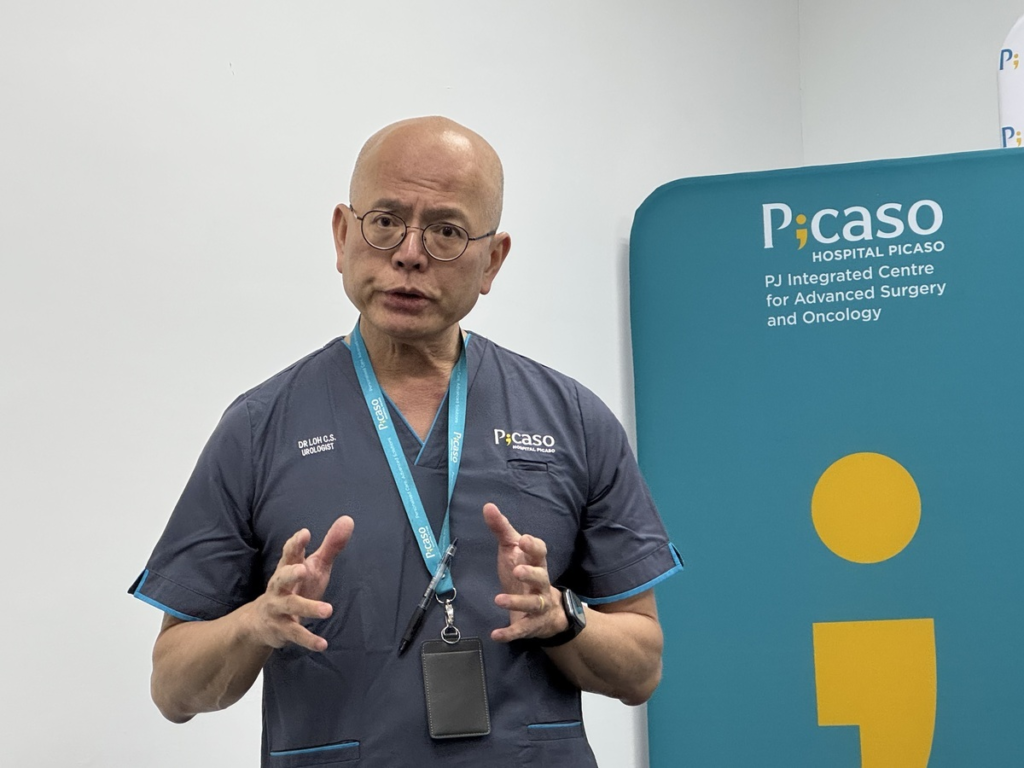
Speaking during the event, Dato’ Dr Loh said reaching a professional milestone does not mark the end of a surgeon’s learning journey.
He believes surgeons must continue refining their techniques, learning from every procedure and strengthening teamwork across specialties.
The ultimate goal, he said, is not simply completing a successful operation but helping patients recover faster, maintain their quality of life and achieve better long-term health outcomes.
Hospital Picaso Strengthens Prostate Care Services
The discussion also highlighted Hospital Picaso’s development as a comprehensive centre for prostate care.
The hospital brings together experienced robotic-assisted urologists with advanced diagnostic services, surgical treatment and multidisciplinary specialist support, allowing patients to receive comprehensive care under one roof.
What Is Robotic Surgery?
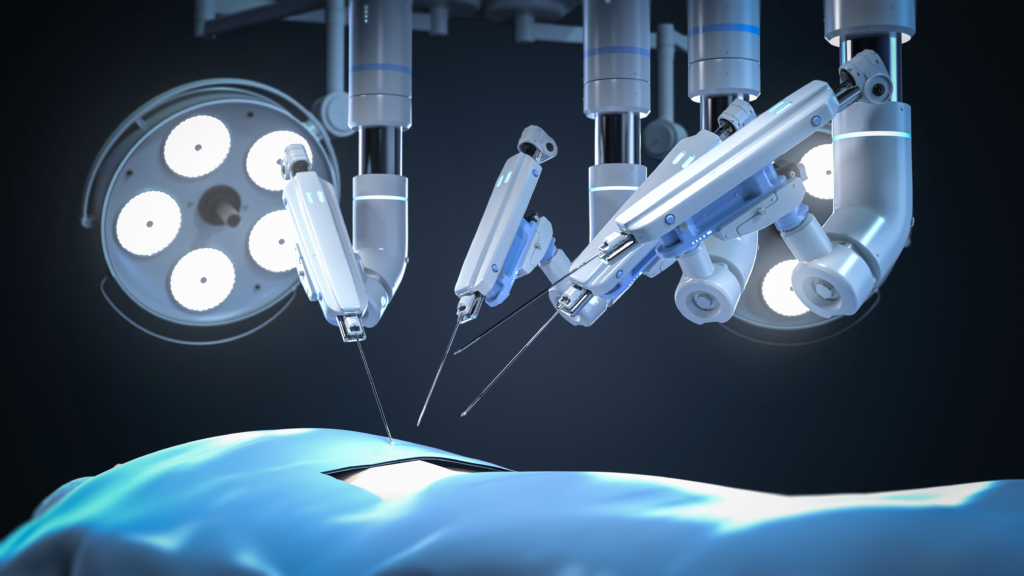
Robotic surgery is an advanced form of minimally invasive surgery where the surgeon controls robotic instruments through a specialised console.
Using a high-definition 3D camera and highly precise robotic arms, surgeons can perform complex procedures through much smaller incisions than traditional open surgery. The robotic system does not operate independently—every movement is fully controlled by the surgeon.
Compared with conventional surgery, robotic-assisted procedures can offer several benefits, including:
- Smaller incisions
- Less blood loss
- Reduced pain after surgery
- Lower risk of complications
- Shorter hospital stays
- Faster recovery
Today, robotic surgery is commonly used in urology, gynaecology, colorectal, cardiac and spine procedures. In Malaysia, hospitals such as Hospital Picaso have increasingly adopted robotic-assisted surgery for prostate treatment, joint replacement and other complex minimally invasive procedures.
While robotic surgery offers significant advantages, it requires specialised training, experienced surgical teams and advanced equipment. In certain complex cases, surgeons may still need to convert to traditional open surgery to ensure patient safety.
Advancing the Future of Robotic Surgery in Malaysia
Dato’ Dr Loh’s recognition reflects Malaysia’s growing expertise in robotic-assisted surgery and highlights the country’s progress in adopting advanced medical technology.
As robotic surgery continues to evolve, healthcare experts agree that the greatest benefit comes not from the technology itself, but from experienced surgeons, strong teamwork and patient-centred care that delivers safer procedures and better recovery outcomes.