

Malaysia Urged to Take a Holistic Approach to Healthcare Funding Decisions

Malaysia should adopt a broader approach when deciding which healthcare treatments and technologies to fund, according to health policymakers and industry leaders at the Value-Based Healthcare (VBHC) Forum 2026.
Experts said healthcare decisions should not be based solely on treatment costs. Instead, they should also consider the wider impact of illness on patients, families and the country’s economy.
Among the key factors highlighted were:
- The overall economic cost of illness
- Income lost when patients are unable to work
- The burden placed on caregivers
- The emotional and financial pressure on families
These discussions took place during the Value-Based Healthcare (VBHC) Forum 2026, themed “Building Blocks for Value: Advancing Societal Perspectives in Health Technology Assessment – From Concept to Implementation.” The annual forum, now in its second year, was organised by the Pharmaceutical Association of Malaysia (PhAMA).
Why Health Technology Assessment Matters
A major focus of the forum was Health Technology Assessment (HTA)—a process used to evaluate whether medicines, vaccines, medical devices and other healthcare interventions provide sufficient value for patients and the healthcare system.
As medical technology continues to evolve, new treatments are becoming less invasive and delivering better patient outcomes. However, healthcare decision-makers must also determine whether these innovations provide good value for public spending.
Traditionally, HTA has focused on clinical evidence, patient safety and direct healthcare costs. However, speakers agreed that Malaysia should expand its assessment framework to include broader societal benefits while strengthening local data to support responsible, evidence-based decisions.
MOH: Healthcare Decisions Affect More Than Just Patients
The forum was officiated by Dr. Syaqirah Akmal, Deputy Director of the Medical Development Division, Ministry of Health (MOH), and Head of the Malaysian Health Technology Assessment Section (MaHTAS).
She said every healthcare funding decision has consequences that extend beyond hospitals and clinics, affecting patients, caregivers, families and the wider economy.
According to Dr. Syaqirah, Malaysia should work collectively to identify which societal values are most important, determine how they can be measured, and incorporate them into future healthcare decision-making.
Healthcare Should Be Seen as an Investment
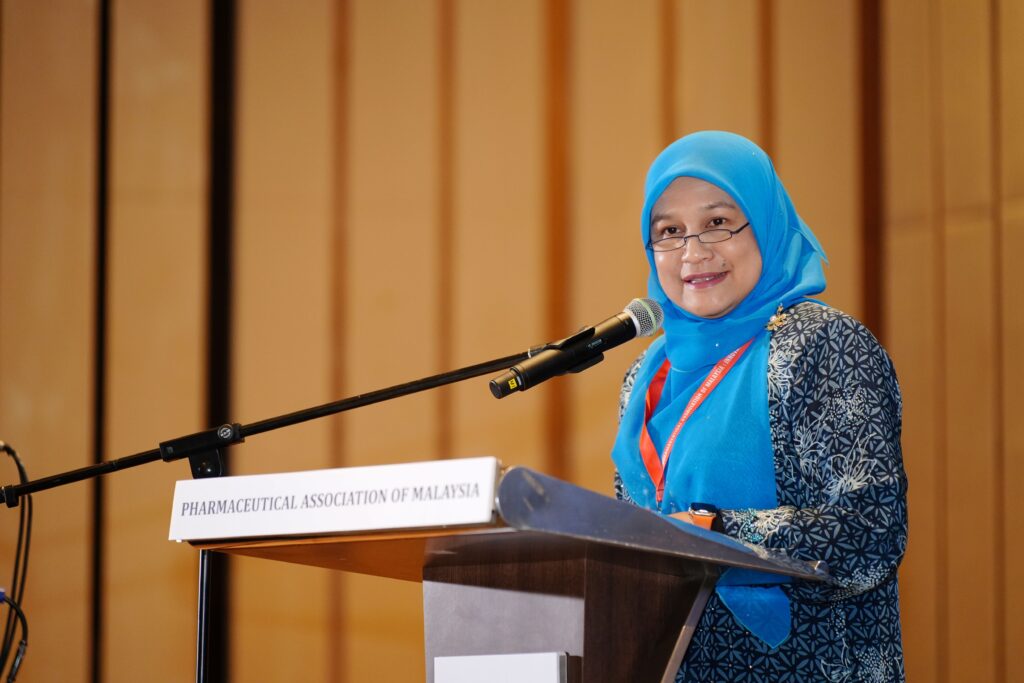
Delivering the keynote address, Dr. Azuana, Deputy Director-General (Pharmaceutical Services), MOH, called for a shift in how healthcare value is measured.
She said effective treatments should not only improve patients’ health but also help them return to work sooner, support their families and contribute to national productivity.
“Healthcare should not be viewed merely as cost containment and treatment in hospitals. It should be viewed as a strategic investment where patients receive effective treatment and are able to return to their normal lives.”
Dr. Azuana added that this approach should first be prioritised in areas where the disease burden is high, such as oncology. She also emphasised the importance of preventive healthcare, including vaccination programmes, to reduce infectious diseases and improve long-term public health.
PhAMA Calls for a More Holistic Value Assessment
PhAMA President Ms. Kam Ai Teng said the forum aims to provide a platform for stakeholders to discuss how HTA can better reflect the needs of society while maintaining strong clinical and economic evidence.
She also highlighted PhAMA’s new communications platform, “Where Science Meets Hope,” which showcases the pharmaceutical industry’s commitment to innovation and improving patients’ lives.
Closing the forum, PhAMA Vice President Ms. Deepti Saraf emphasised that advancing value-based healthcare requires collaboration between government, healthcare professionals, industry and other stakeholders. She mentioned that healthcare innovations should not be judged solely by scientific or technological advances, but also by the positive impact it has on patients, families and the nation’s overall development.
A More Patient-Centred Future for Malaysian Healthcare
The VBHC Forum 2026 concluded with a shared message: healthcare funding decisions should go beyond evaluating costs alone. By adopting a more holistic approach through Health Technology Assessment, Malaysia can ensure healthcare investments deliver better outcomes for patients, strengthen families and support long-term economic growth.





The section connects well with portfolio and risk considerations.
ATR and volatility forecasting