PAD – An Underdiagnosed Diabetes Condition
As diabetes rates continue to rise in Malaysia, many people remain unaware of Peripheral Artery Disease (PAD) and its warning signs. This World Diabetes Day, greater awareness of PAD is essential, as early detection and treatment can help prevent complications and protect mobility and independence.
Diabetes and Poor Circulation: Don’t Focus on Blood Sugar Alone
For people living with diabetes, checking blood sugar levels, taking medication and attending regular medical reviews are often part of daily life. However, symptoms such as leg discomfort, slow-healing wounds or changes in the feet should not be ignored. While these issues may seem minor or age-related, they can sometimes indicate poor blood circulation.

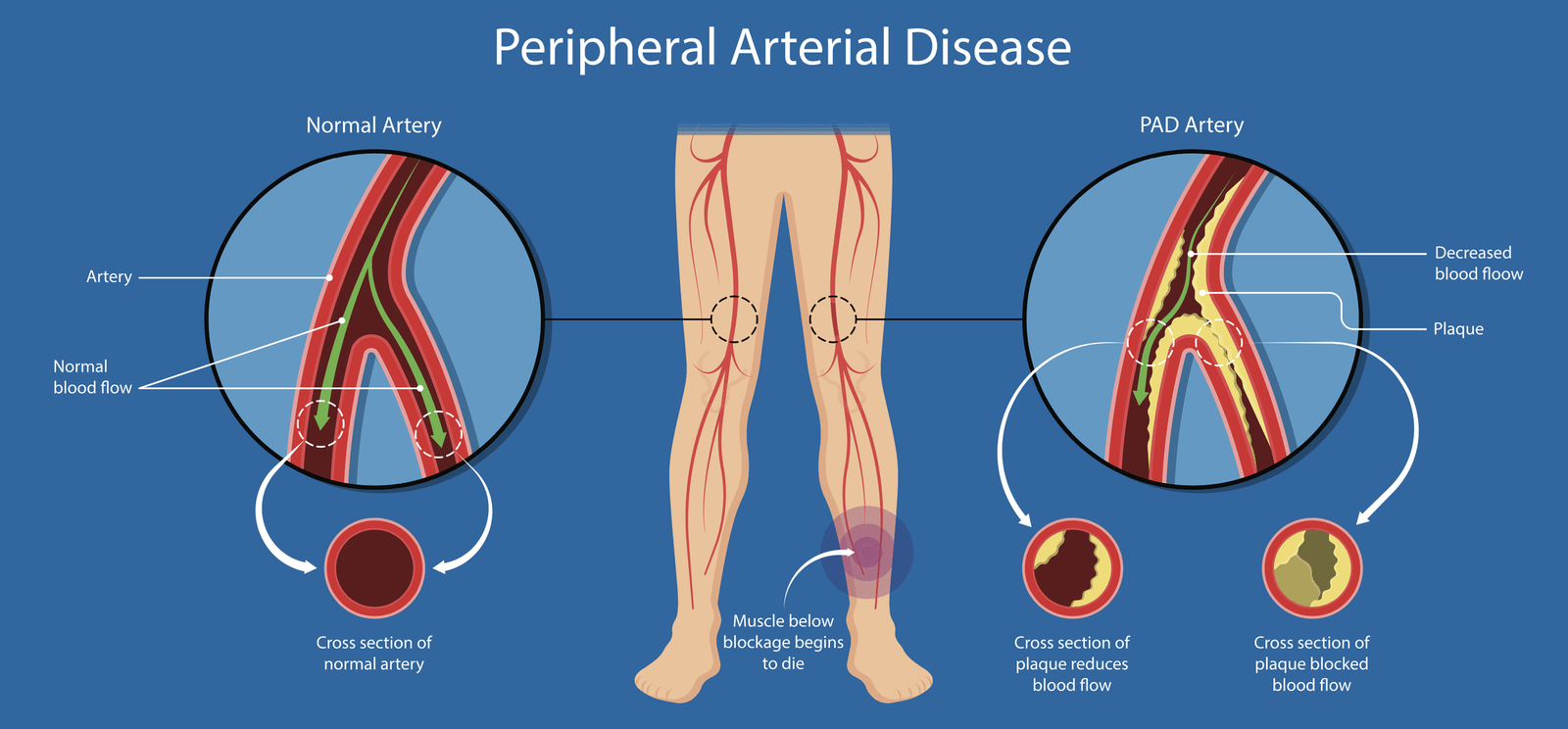
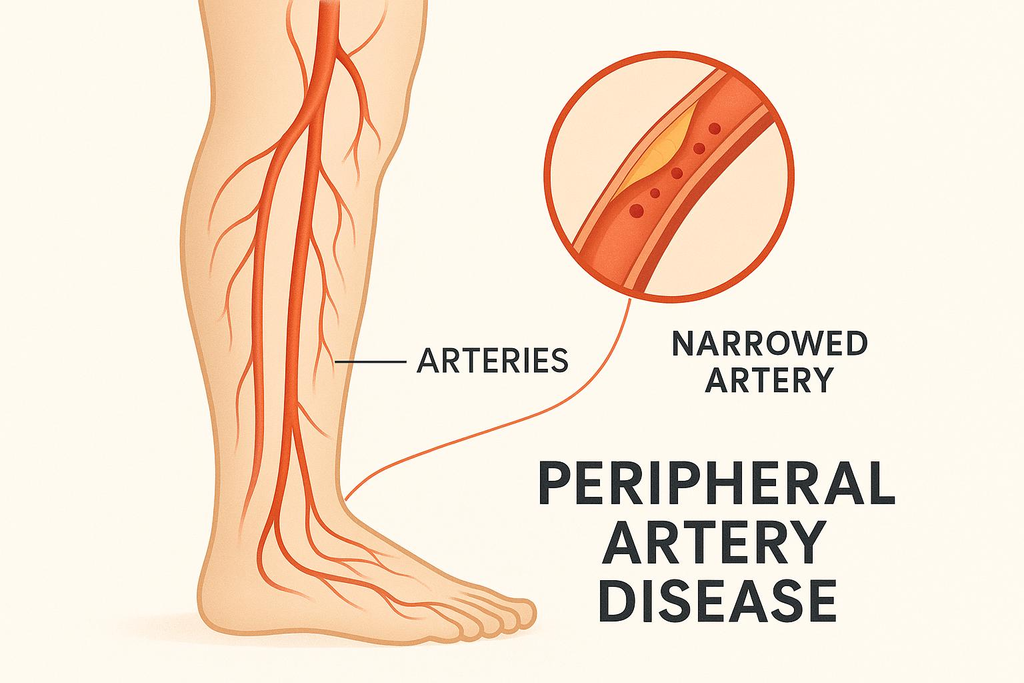
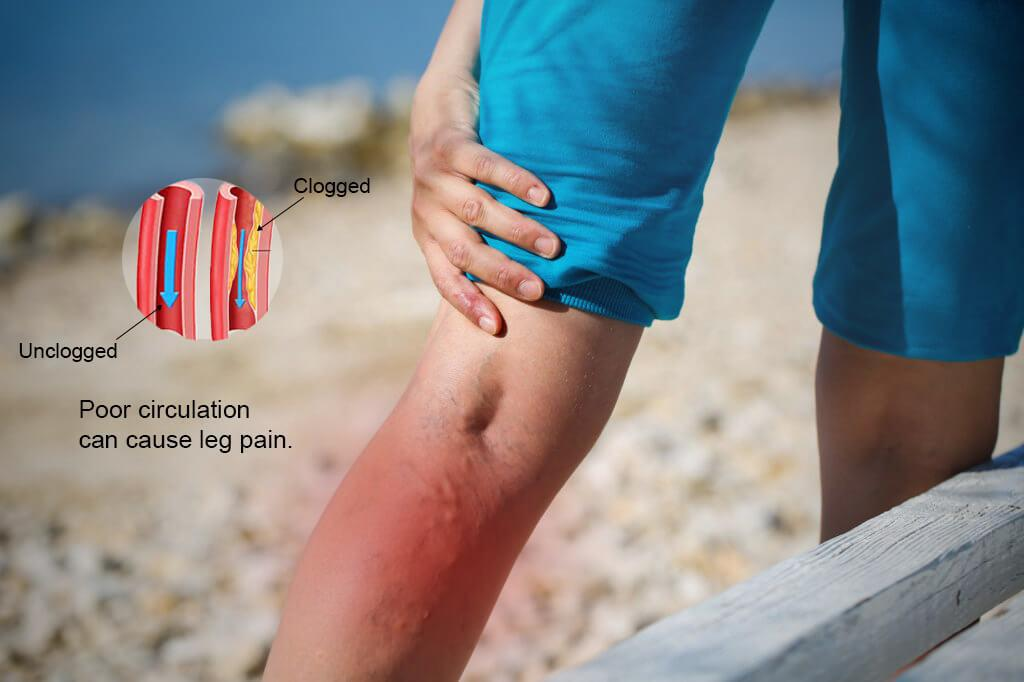
One common circulation problem is Peripheral Artery Disease (PAD), a condition where arteries supplying blood to the limbs, especially the legs, become narrowed or blocked. This reduces blood flow and can lead to serious complications if left untreated. In people with diabetes, PAD can be difficult to recognise because symptoms are often mild or mistaken for other diabetes-related complications.
In conjunction with World Diabetes Day, Dr Tan Kia Lean, Consultant Vascular & Endovascular Surgeon at Cardiac Vascular Centre Kuala Lumpur (CVSKL), emphasises that diabetes care should go beyond blood sugar management. “Managing blood sugar is important, but it is not enough. Regular screening of the eyes, nerves and blood vessels helps detect complications early and prevent long-term damage.”
Why People with Diabetes Are at Higher Risk
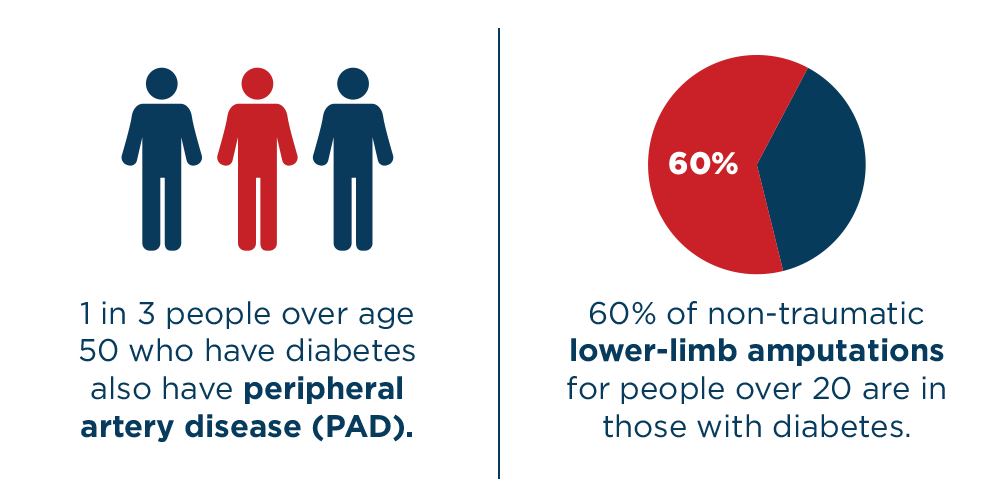
Diabetes affects more than blood sugar levels. Over time, high or poorly controlled blood sugar can damage the kidneys, eyes, nerves and blood vessels. Damage to blood vessels can cause arteries to harden and narrow, increasing the risk of PAD.
The risk is even higher for people who:
• Have had diabetes for many years
• Have a history of heart disease or stroke
• Smoke
• Have end-stage kidney disease
• Are overweight or obese
Because of these risks, vascular health should be part of routine diabetes care.
Would I Know If I Had PAD?
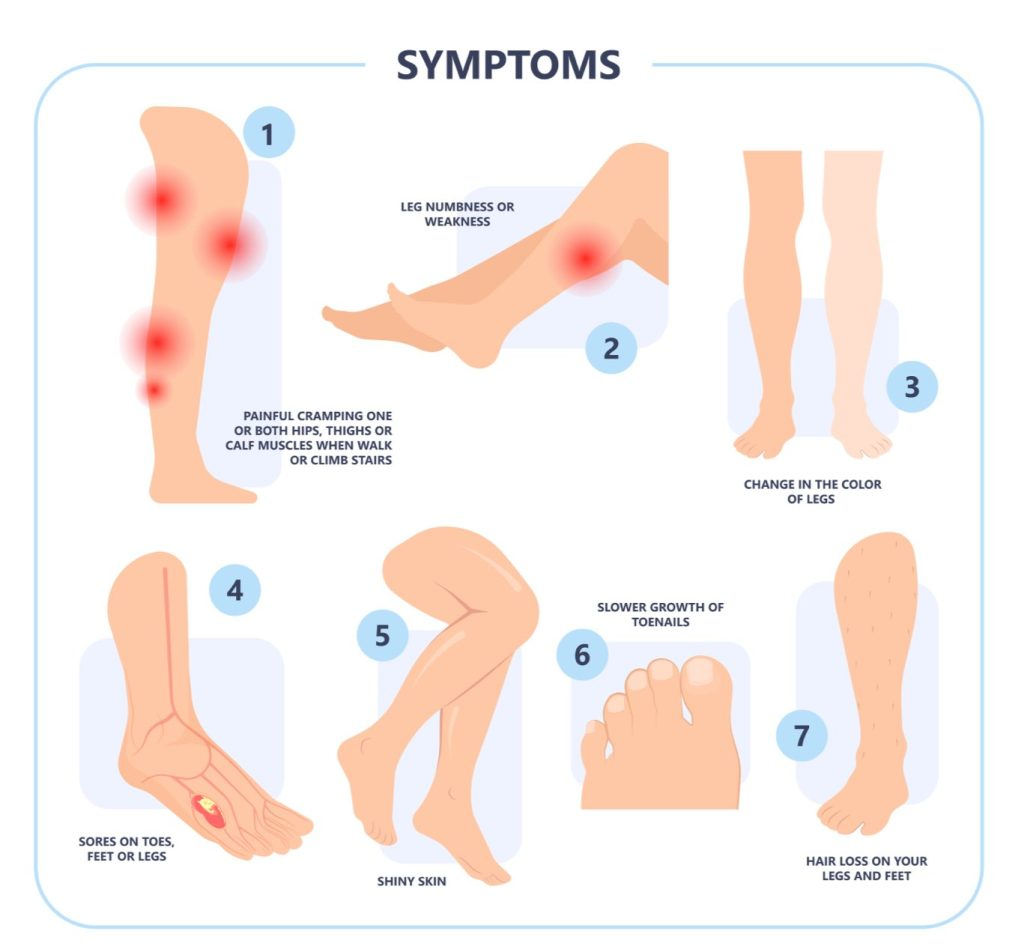
Not always. Up to 50% of people with PAD may not experience symptoms in the early stages, even when blood flow is already reduced.
When symptoms do occur, they may include:
• Leg pain, cramping or fatigue during walking
• Cold feet
• Hair loss on the legs
• Brittle toenails
• Slow-healing wounds
• Pain in the feet or legs while resting
• Gangrene in advanced cases
A common early symptom is intermittent claudication, which causes pain, tightness or discomfort in the legs after walking a certain distance. The symptoms typically improve with rest. Because these signs can be mistaken for ageing or general tiredness, many people delay seeking medical attention.
When Nerve Damage Hides the Symptoms
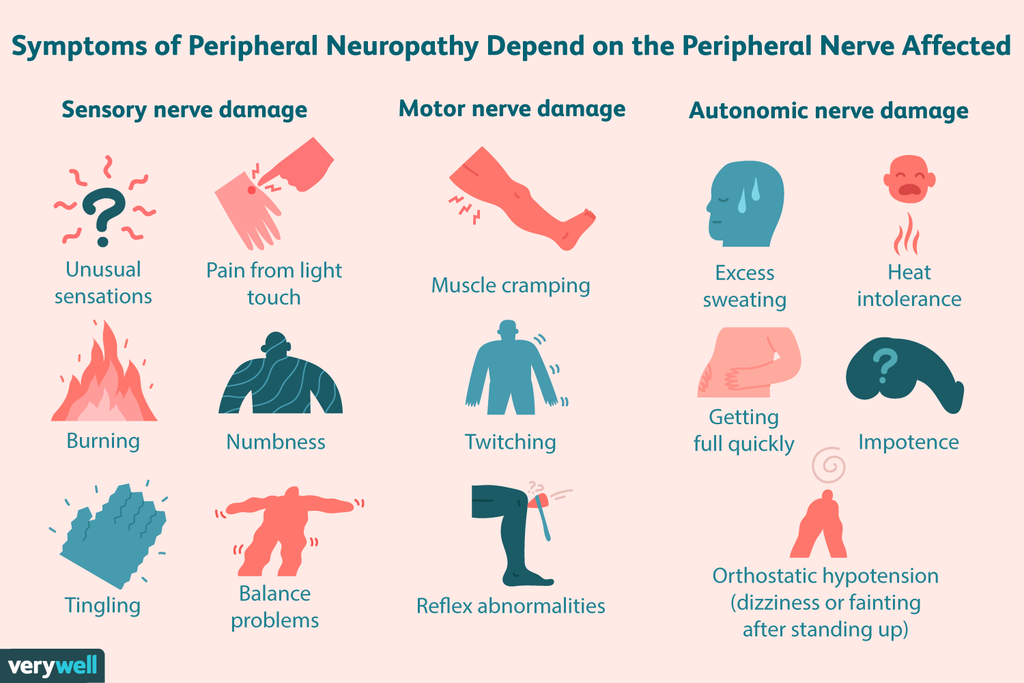
Detecting PAD can be even more difficult in people with diabetic neuropathy, a condition that causes nerve damage, numbness and reduced sensation in the feet and toes. PAD affects blood flow, while neuropathy affects nerves, but both conditions often occur together. As neuropathy reduces sensation, a person may not notice injuries, sores or wounds that are healing poorly because of reduced circulation.
Dr Tan notes that checking foot pulses during a medical examination can help identify circulation problems, even when no pain is present. No pain does not always mean your feet are healthy.
How Is PAD Diagnosed?
If PAD is suspected, doctors usually begin with:
1. Reviewing medical history and symptoms
2. Examining the legs and feet
3. Checking foot pulses
Additional tests may include:
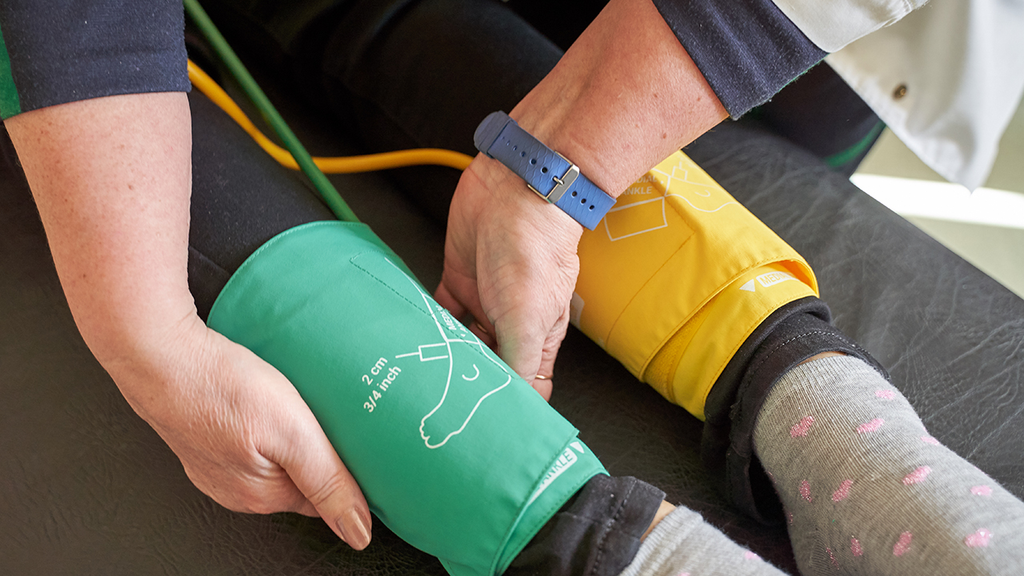
• Ankle-Brachial Index (ABI): Compares blood pressure in the ankle and arm to assess blood flow in the legs.
• Duplex Ultrasound: Identifies narrowed or blocked arteries.
• CT Angiogram: Provides detailed images of blood vessels when further assessment is needed.
ABI may also be used to monitor patients after treatment.
Does PAD Mean Amputation?
No. A diagnosis of PAD does not automatically mean limb loss.
Treatment depends on:
• The severity of the disease
• The location of the blockage
• Whether wounds are present
• The patient’s overall health
For mild cases, treatment may involve:
• Quitting smoking
• Regular exercise
• Medications
• Better control of diabetes, blood pressure and cholesterol
However, severe PAD can significantly reduce blood flow, making wounds difficult to heal and increasing the risk of infection, tissue damage and amputation. Dr Tan frequently sees patients referred only after a wound has failed to heal and amputation has already been suggested. By then, serious infection or tissue damage may have developed, making treatment more complex.
Early diagnosis gives doctors a better chance to restore circulation and save the affected limb.
Advances in PAD Treatment
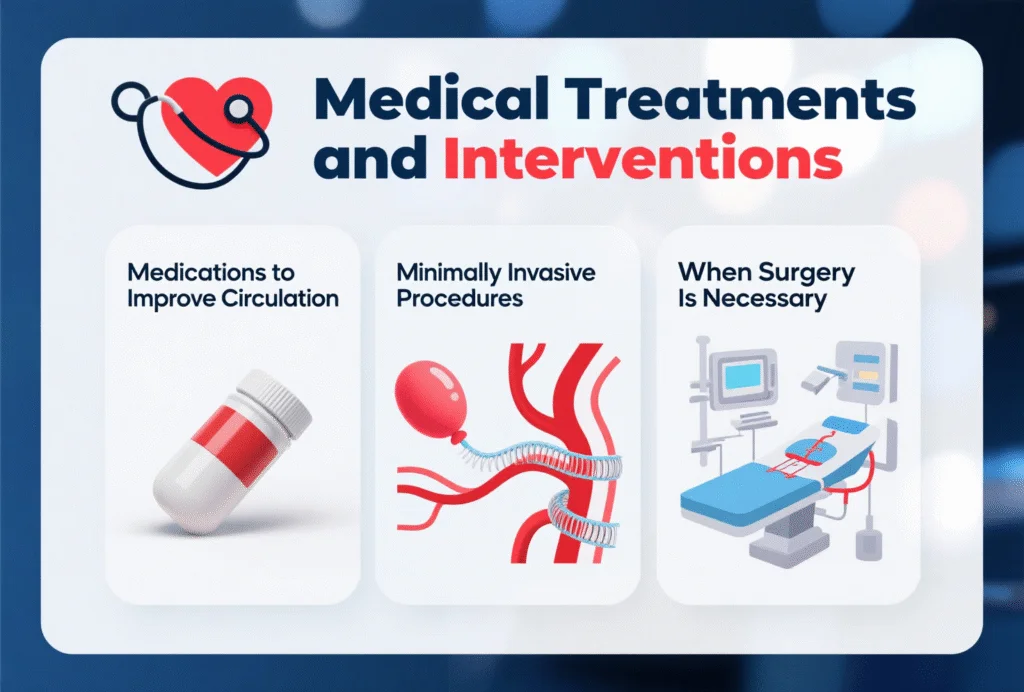
Modern treatment options have improved significantly over the past two decades. Many procedures can now be performed using minimally invasive endovascular techniques, which require only a small puncture rather than open surgery.
Available technologies include:
• Balloon Angioplasty to widen narrowed arteries
• Thrombectomy Devices to remove blood clots
• Atherectomy Devices to remove or modify hardened plaque
• Intravascular Ultrasound (IVUS) to provide detailed images inside blood vessels
• Drug-Coated Balloons to help prevent arteries from narrowing again
• Drug-Eluting Stents to keep arteries open while releasing medication
Treatment is customised based on the patient’s condition, the severity of the blockage and overall health. For patients with non-healing wounds, restoring blood flow is only one part of recovery. Infection control, removal of damaged tissue and ongoing wound care are equally important.
Protecting Mobility and Independence
PAD can affect everyday activities such as walking, working, travelling and caring for yourself. Early detection and treatment can help prevent complications and maintain quality of life. “Early treatment not only helps prevent limb loss, but can also relieve pain and improve mobility,” says Dr Tan. “People with diabetes, especially older adults, should not assume leg pain or weakness is a normal part of ageing.”
The Bottom Line
Managing diabetes is about more than controlling blood sugar. Paying attention to circulation, especially in the legs and feet, is essential for preventing complications and maintaining independence.
Know your risk. Recognise the signs. Ask about your circulation.
If you have diabetes and experience recurring leg pain, changes in your feet or slow-healing wounds, seek medical advice. Early assessment can help detect PAD and reduce the risk of serious complications.