Hear Our Heartbeat – Dialogue about an Under-Recognised Heart Condition ATTR-CM
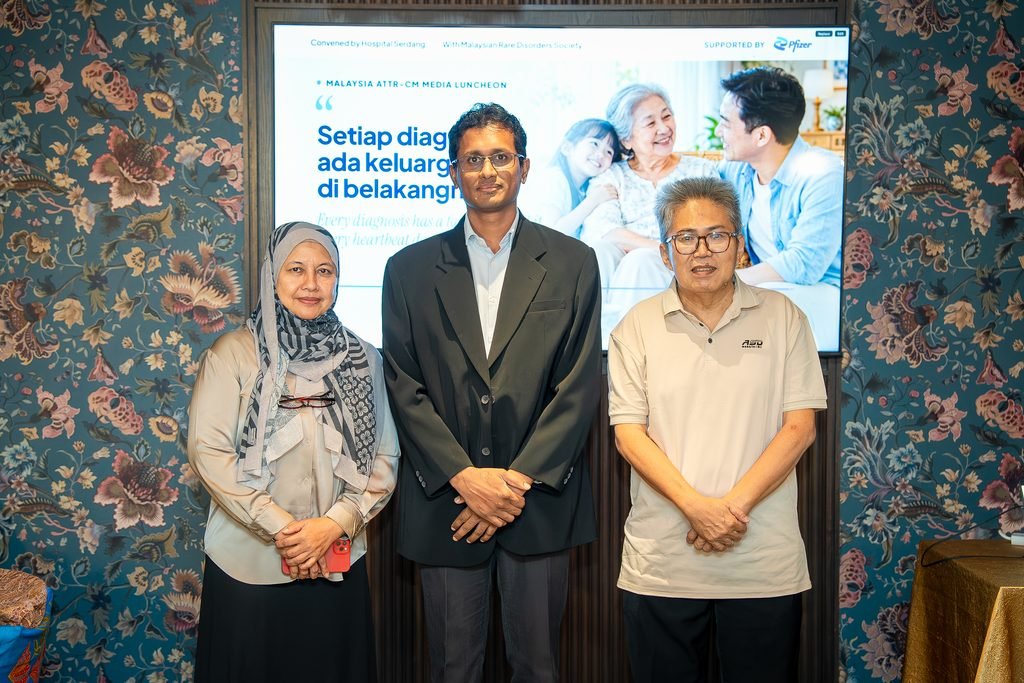
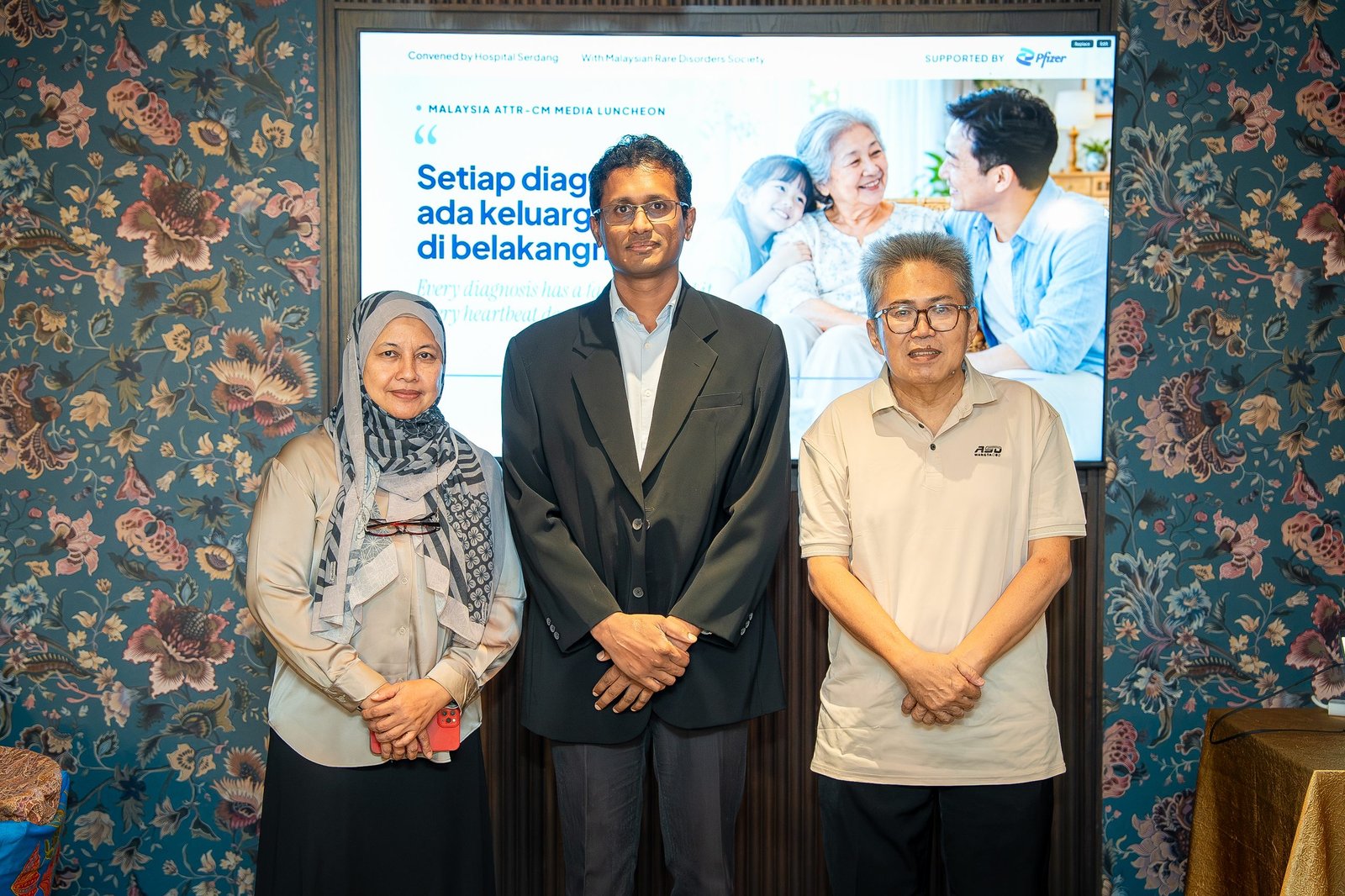
The panellists came together at Dengarlah Degupan Kami to share clinical, patient and community perspectives on ATTR-CM and the journey towards diagnosis.
LUMPUR, 30 September 2026 – Cardiologists, patients, caregivers and the Malaysian Rare Disorders Society (MRDS) came together today for Dengarlah Degupan Kami (Hear Our Heartbeat), a forum organised by the Department of Cardiology, Hospital Serdang and supported by Pfizer Malaysia.
The forum aimed to raise awareness of transthyretin amyloid cardiomyopathy (ATTR-CM), a rare heart condition that can be difficult to recognise because its symptoms may look similar to those of more common heart problems or be mistaken for normal signs of ageing. ¹˒²
ATTR-CM occurs when a protein called transthyretin becomes unstable and forms deposits in the heart muscle. Over time, these deposits can cause the heart walls to become thick and stiff, making it harder for the heart to pump blood effectively. ²˒³ Common symptoms include breathlessness, tiredness and swelling of the legs and ankles. ¹˒² Because these symptoms are not specific to ATTR-CM, diagnosis can sometimes take several years. ¹
The Years Before A Diagnosis
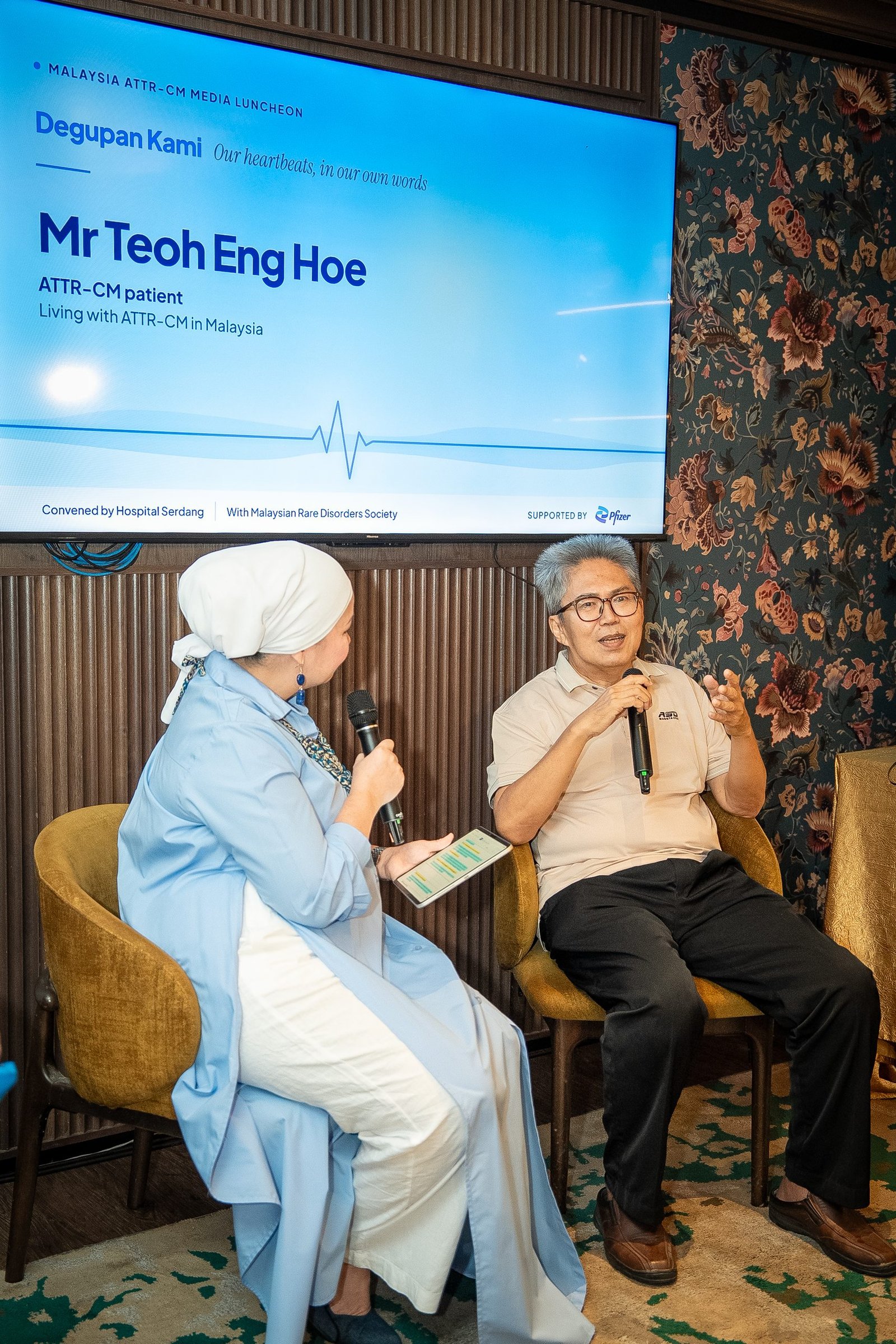
The key part of Hear Our Heartbeat was the personal story of a Malaysian patient living with ATTR-CM. Mr Teoh Eng Hoe shared how changes in his health eventually led to his diagnosis and how the condition has affected his daily life and family.
“For about three months I knew something was not right. I got tired very easily when I walked, and at night I could feel that something was wrong with my heart. It was my children who urged me to get checked, and that was when doctors found that my heart had become enlarged,” said Mr Teoh Eng Hoe, who is living with ATTR-CM. He encouraged others experiencing similar symptoms not to ignore them.
“My message to anyone who notices something similar is simple: go and get checked and do it early. I still have to watch my diet, and I cannot do strenuous exercise. That said, I continue to live my life, and I still look forward to travelling in my retirement.”

Dr Saravanan Vengadesa Pillai, Consultant Cardiologist, Department of Cardiology, Hospital Serdang, said greater awareness could help patients receive appropriate assessment sooner. “ATTR-CM can be challenging to recognise because symptoms such as breathlessness, fatigue and swelling are also seen in more common cardiovascular conditions and may sometimes be attributed to ageing. Persistent or worsening changes in health should not be ignored. Greater awareness among healthcare professionals and the public can help patients who may need further assessment receive appropriate care.”
Growing Attention to ATTR-CM in Malaysia
Awareness of ATTR-CM is also increasing among Malaysia’s medical community. In July 2026, a multidisciplinary group of Malaysian clinicians from cardiology, hematology, nuclear medicine and other specialties published Malaysia’s first expert consensus and clinical pathway recommendations for ATTR-CM in the International Journal of Heart Failure.¹
The recommendations provide locally relevant guidance on recognising, assessing and managing patients who may have ATTR-CM. ATTR-CM has also been included in Malaysia’s Rare Disease List since 2023.¹ The Malaysian consensus highlights the potential value of developing a local patient registry for cardiac amyloidosis to improve understanding of the condition and support future research and collaboration.
Supporting Patients and Families Living with Rare Diseases
MRDS, which participated as a community partner, also highlighted the wider challenges faced by people living with rare diseases. For many families, getting a diagnosis can be a long and uncertain journey. Limited awareness of rare conditions can make it difficult for patients and caregivers to know where to seek help or find reliable information.
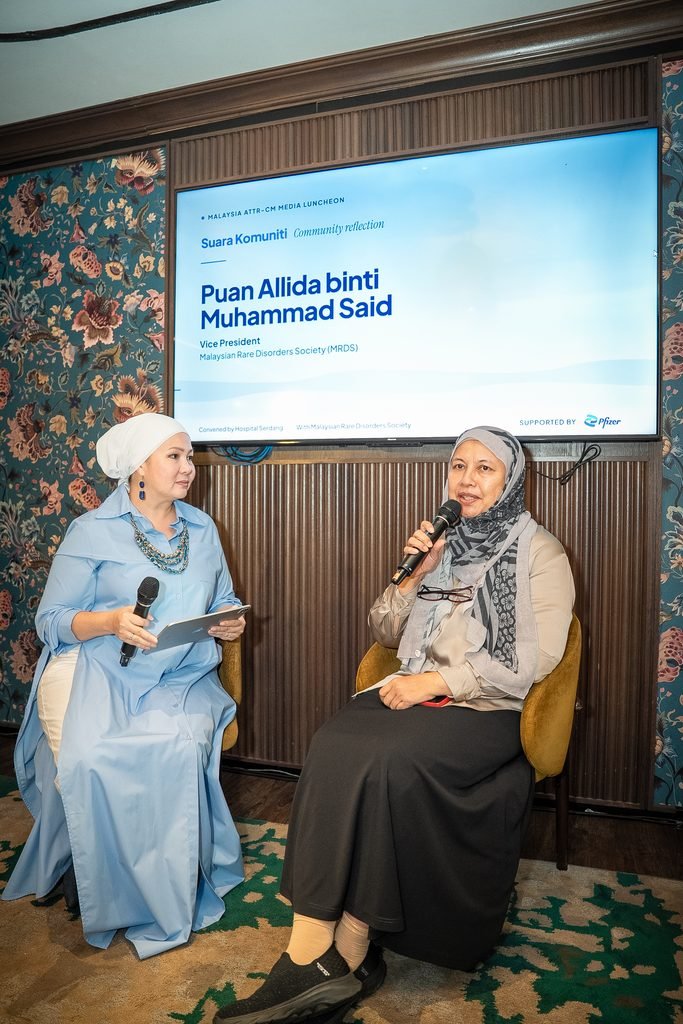
“For many people living with a rare disease, one of the hardest parts of the journey is simply finding out what is wrong. Families may know that something has changed yet not know where to turn or what questions to ask. This is why awareness and support matter,” said Puan Allida Muhammad binti Said, Vice President, Malaysian Rare Disorders Society.
“Rare diseases may be individually rare, but collectively they affect a significant community. Every patient deserves to be seen, heard and supported, so that receiving a diagnosis becomes not the end of the search, but the beginning of a supported journey.”
Continuing the conversation
The awareness campaign will continue in the lead-up to World Amyloidosis Day on 26 October, with Pfizer Malaysia supporting social media content to help the public better understand amyloidosis and ATTR-CM. The content will highlight symptoms and encourage people to speak with a healthcare professional about persistent or unexplained changes in their health.
“Pfizer has a long-standing commitment to disease education and to the rare-disease community in Malaysia. Conversations such as Hear Our Heartbeat matter because greater awareness begins with better understanding,” said Tan Hui Yee, Specialty Care & Internal Medicine Marketing Lead, MISP Cluster, Pfizer.
“By bringing together healthcare professionals, patients, caregivers and patient advocates, we hope to help make conditions such as ATTR-CM better understood and encourage more informed conversations about health.” The forum ended with a simple message: persistent or worsening symptoms should not automatically be dismissed as part of getting older.
People experiencing unexplained breathlessness, fatigue or swelling are encouraged to speak with a healthcare professional. Through the shared experiences of patients, families, healthcare professionals and advocates, Hear Our Heartbeat aims to make ATTR-CM easier to recognise, discuss and understand.
###
About ATTR-CM
Transthyretin amyloid cardiomyopathy (ATTR-CM) is a rare, progressive heart condition in which misfolded transthyretin protein deposits stiffen the heart wall over time, impairing its ability to fill with blood ²˒³. Symptoms commonly resemble more familiar heart conditions or are attributed to ageing, contributing to delayed diagnosis¹˒³. Some forms of ATTR are hereditary; what a diagnosis means for relatives is a matter for discussion with an appropriate healthcare professional (²˒³˒4). Specialists assess suspected ATTR-CM through clinical examination and appropriate tests, including imaging, with the pathway decided by the treating specialist for each patient¹˒³. In 2026, Malaysian clinicians published the country’s first expert consensus and clinical pathway recommendations for ATTR-CM in the International Journal of Heart Failure¹.
About the Department of Cardiology, Hospital Serdang
The Department of Cardiology at Hospital Serdang provides tertiary and subspecialty cardiac care as part of the Ministry of Health Malaysia’s cardiac services network. The Department delivers outpatient, inpatient and day-care cardiology services, supported by invasive and non-invasive cardiac facilities, coronary care and dedicated cardiac wards. Hospital Serdang serves as a major tertiary cardiac referral centre for the Klang Valley, supporting a population of more than 10 million people. The Department is committed to delivering high-quality, patient-centred cardiovascular care while advancing clinical expertise and the management of heart disease in Malaysia.
About the Malaysian Rare Disorders Society (MRDS)
The Malaysian Rare Disorders Society (MRDS) is a non-profit, voluntary organisation established in 2004 to represent and support individuals and families affected by rare disorders in Malaysia. MRDS works to strengthen connections within the rare-disease community, raise public and professional awareness, and provide individuals and families with information and support. The Society also collaborates with healthcare professionals, government agencies, patient organisations and other stakeholders to advance greater recognition, inclusion and access to appropriate healthcare, education and employment opportunities for people living with rare disorders.
About Pfizer Inc.: Breakthroughs that change patients’ lives
At Pfizer, we apply science and our global resources to bring therapies to people that extend and significantly improve their lives. We strive to set the standard for quality, safety and value in the discovery, development and manufacture of health care products, including innovative medicines and vaccines. Every day, Pfizer colleagues work across developed and emerging markets to advance wellness, prevention, treatments and cures that challenge the most feared diseases of our time. Consistent with our responsibility as an innovative biopharmaceutical company, we collaborate with health care providers, governments and local communities to support and expand access to reliable, affordable health care around the world. For many years, we have worked to make a difference for all who rely on us.
References
¹ Yusoff MR, Raja Shariff REF, Tee CK, et al. Expert Consensus and Clinical Pathway Recommendations for Transthyretin Amyloid Cardiomyopathy in Malaysia. Int J Heart Fail. 2026;8(3):193-206. doi:10.36628/ijhf.2026.0012. PMID: 42568427; PMCID: PMC13447198. Available at:
https://pubmed.ncbi.nlm.nih.gov/42568427/. Accessed on 22 September 2026.
² Brito D, Albrecht FC, de Arenaza DP, et al. World Heart Federation Consensus on Transthyretin Amyloidosis Cardiomyopathy (ATTR-CM). Glob Heart. 2023;18(1):59. doi:10.5334/gh.1262.
³ Garcia-Pavia P, Rapezzi C, Adler Y, et al. Diagnosis and treatment of cardiac amyloidosis: a position statement of the ESC Working Group on Myocardial and Pericardial Diseases. Eur Heart J. 2021;42(16):1554-1568. doi:10.1093/eurheartj/ehab072. PMID: 33825853; PMCID: PMC8060056.
4 Sekijima Y, Ueda M, Berk JL, et al. Guidelines for the management of hereditary ATTR amyloidosis 2026. Amyloid. Published online 9 July 2026:1-26. doi:10.1080/13506129.2026.2695368. PMID: 42423415. [Online ahead of print; final volume, issue and pagination to be confirmed before final production.]