
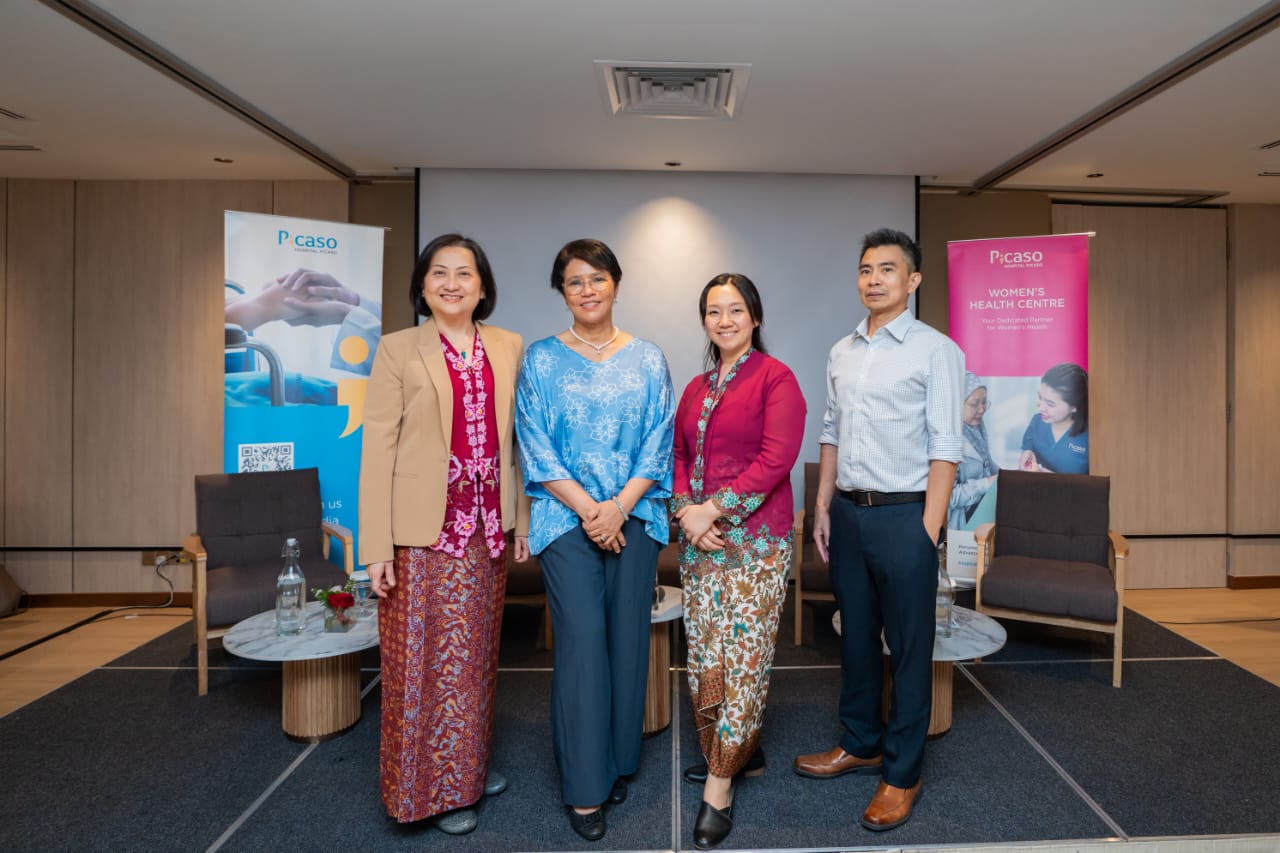
Picaso Hospital’s Iftar and Panel Endometriosis Discussion
Menstrual cycle is a regular part of a women’s life, and it comes regularly every month for some and for some irregularly. For some women, the onset of this menstrual cycle is very painful. However, many ladies are told to accept and endure the pain because it is normal.
But what if the pain is unbearable? How many painkillers to take to drown the pain? Every second before the pain is numbed by the medication is unbearable.
What if the diagnosis is not just painful menstrual cycles (dysmenorrhea) but instead it’s something not many are aware about, endometriosis?
A 2025 MOH review noted that endometriosis affects an estimated 10%–15% of Malaysian women. MOH Health Indicators 2025 recorded 1,937 endometriosis-related discharges nationwide.
Hence, it was impressive when Picaso Hospital organized a Ramadan iftar cum specialist panel focusing on endometriosis awareness and how a multi-disciplinary team gets involved in managing this condition. Picaso itself has treated 500 endometriosis cases since their opening (19 June 2024) till today and they are on the path of starting their very own “Picaso Endometriosis Club”.
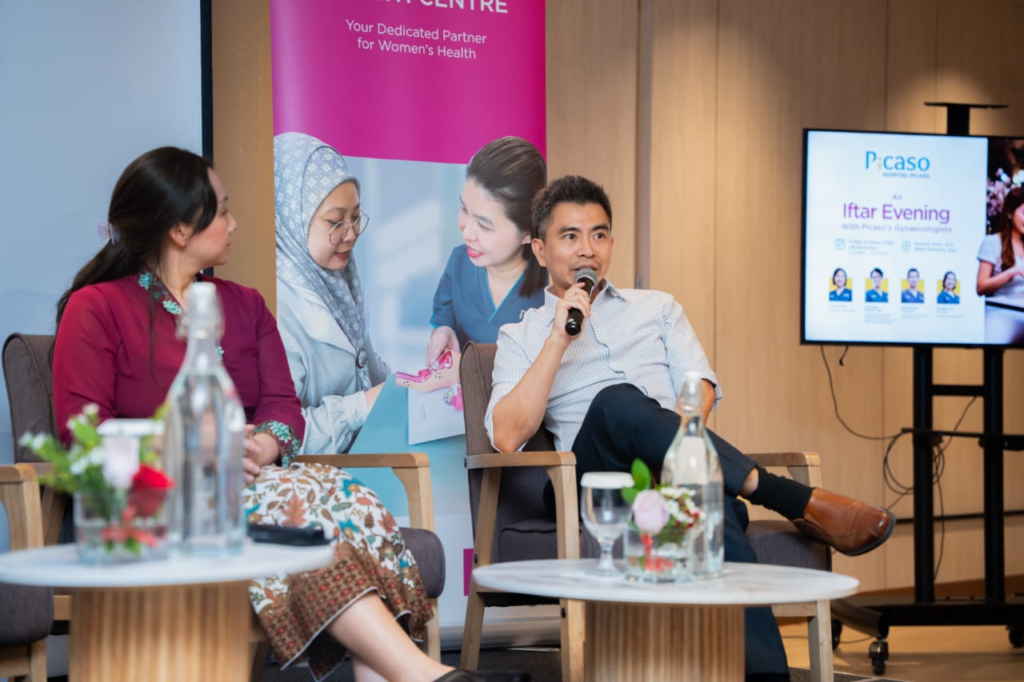
Sharing here are a few interesting takebacks from this session as shared by the panelists:
1. Endometriosis is not just “bad period pain”
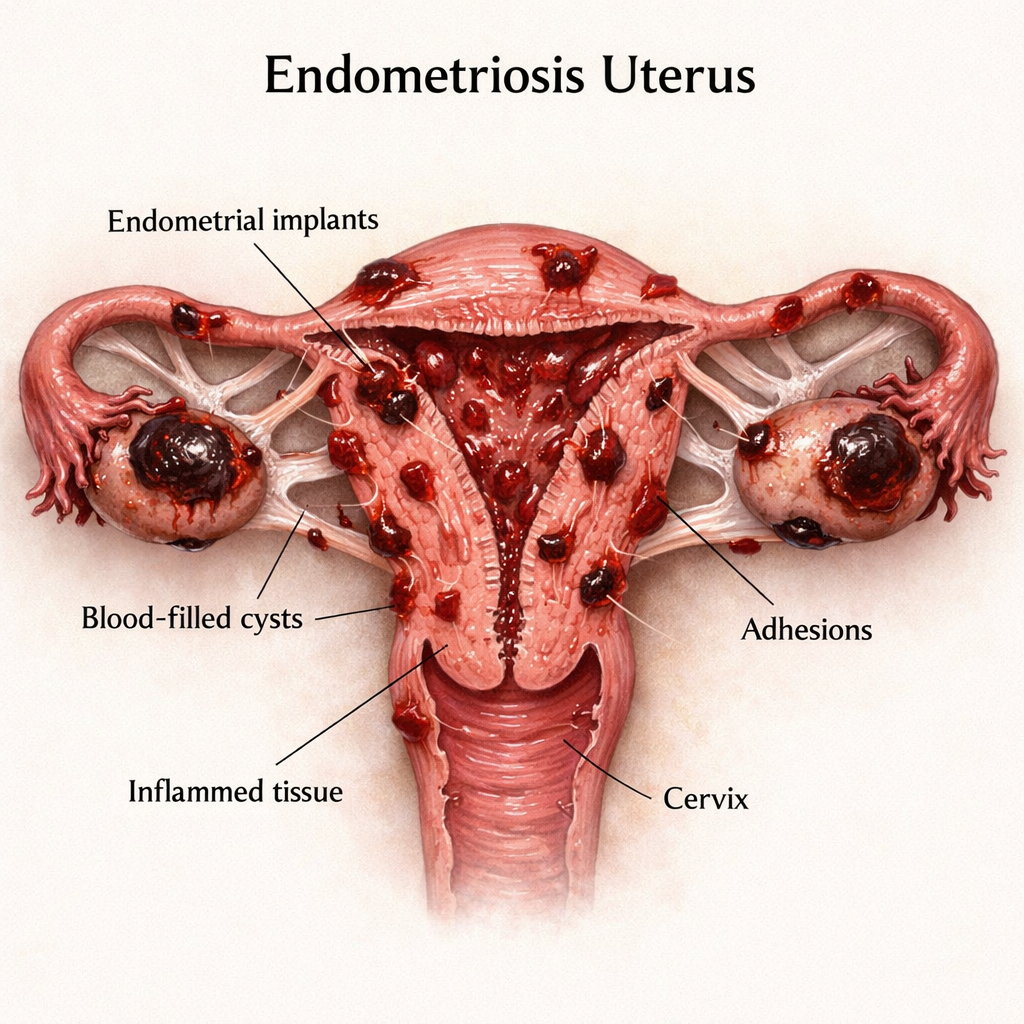
Endometriosis is actually a chronic inflammatory disease where tissues similar to the uterine lining grows outside the uterus—on organs like the ovaries, bowel, bladder, or pelvic lining.
In severe cases, this may cause daily pain which may affect the quality of life of individuals.
2. Diagnosis takes years
An average woman takes 10 years to get diagnosed. Some women with endometriosis do not show any pain and remains undiagnosed for many years. Some have mild lesions and may experience severe pain.
The only way to diagnose this condition is through laparoscopic surgery which is an invasive surgery. This is one of the reasons why many default on their follow-ups and are diagnosed late.
3. It affects fertility
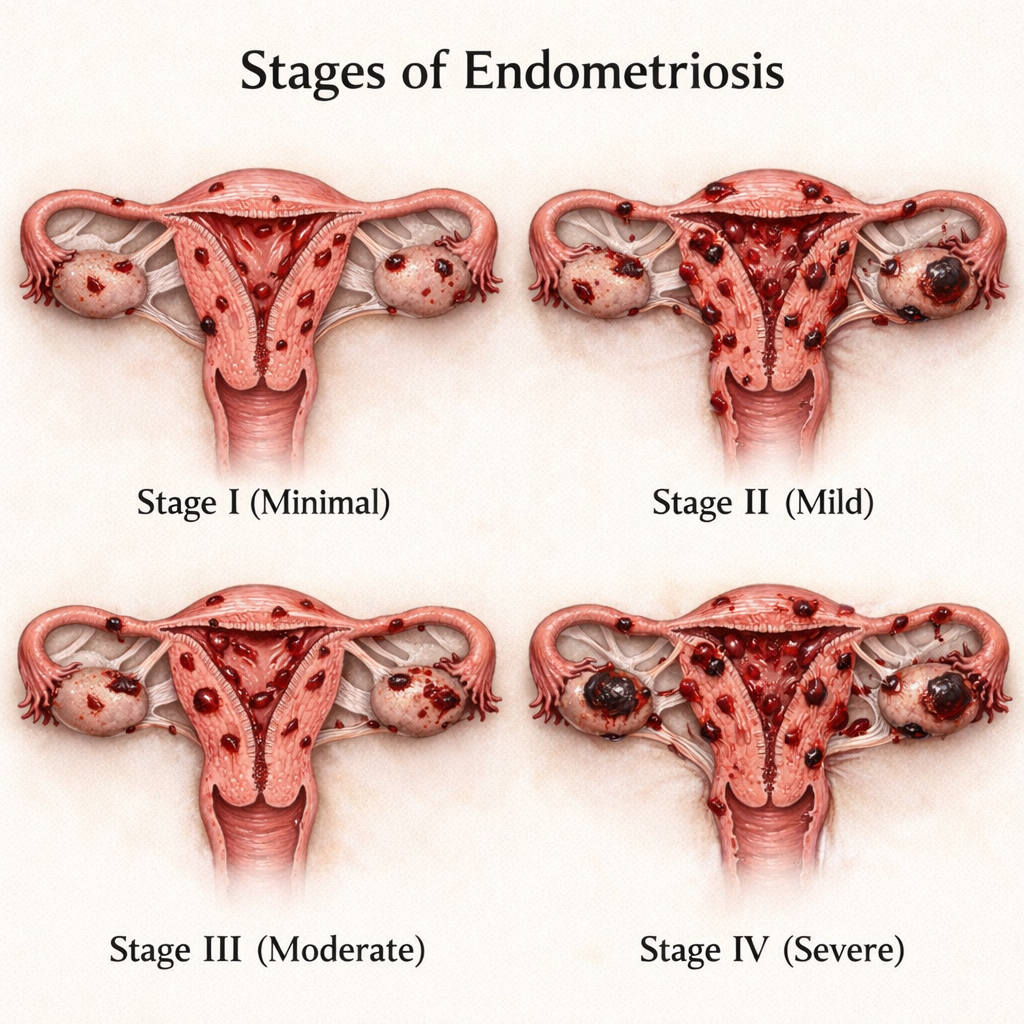
Most patients come and visit a gynae at stage 4 (the most advanced stage). At this stage, the lesions are deep, cysts are large and scar tissues are affecting multiple organs. Many times, these ladies have trouble conceiving due to:
- Inflammation in the pelvis
- Scar tissue (adhesions)
- Ovarian cysts
- Implantation issues on the endometrial line
- Blocked fallopian tubes
Nevertheless, endometriosis does not deny conception. Many women do get pregnant with proper treatment.
6. Endometriosis affects the whole body
Endometriosis is more of an immune and inflammatory disorder. Beyond reproductive issues, many ladies experience:
- Chronic fatigue
- Brain fog
- Digestive issues
- Lower back or leg pain
7. There is no permanent cure and endometriosis can be recurrent
The common treatment for endometriosis is:
- Hormonal therapy such as birth control pills
- Surgery to remove lesions
Endometriosis can recur a few months post-surgery especially if residual endometrial tissue remains in the body.
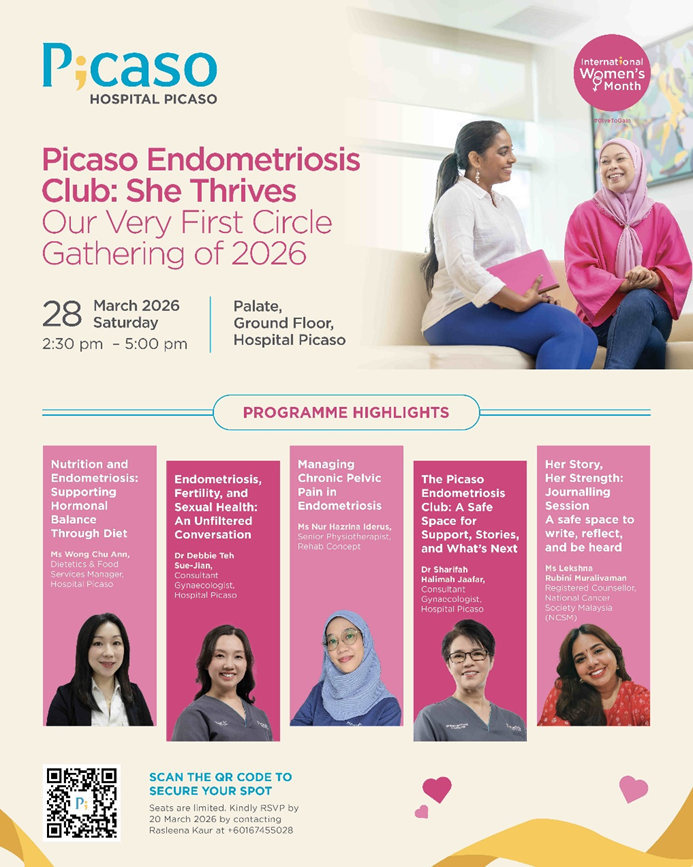
Last but not least, if you are suffering from endometriosis and seeking for support and understanding, Picaso Hospital is having their first ever circle gathering on 28th March 2026.
If you have a loved one whom you may suspect to be suffering from endometriosis and are looking for a diagnosis, make an appointment with the consultants via this link: Contact Us