Why Do You Love Sugar So Much?
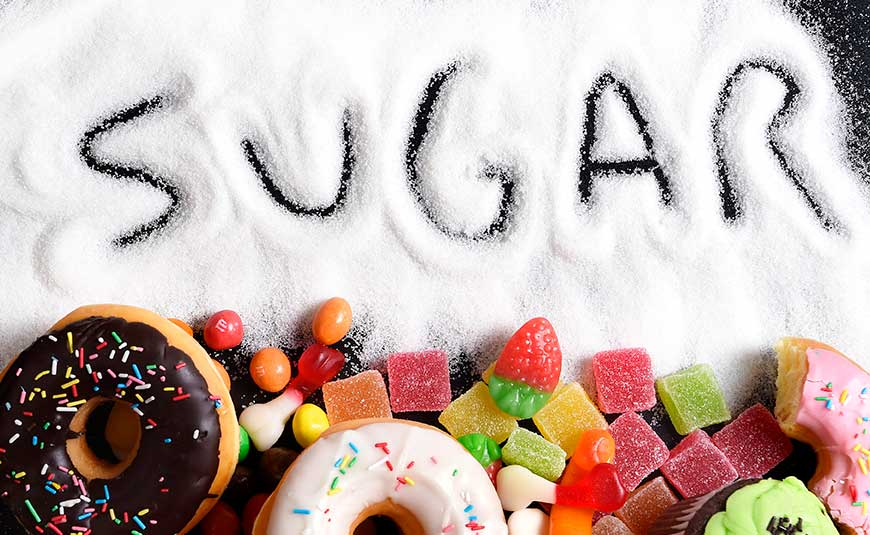
I had a cousin brother who was overweight and he went on a keto a diet to lose weight. In the beginning of his diet, he suffered a lot because he had intense Coca-Cola cravings. Cravings are triggered when our body feels we lack certain nutrients. In my cousin brother’s case, the body went into panic state when he abruptly cut off his sugar intake.
The main supply of energy to the brain is glucose. When there is lack of glucose, brain fog happens and in worst cases a migraine.
Most of the food that we eat converts to sugar hence going cold turkey on sugar is not fatal. It is only fatal if one goes into starvation mode.
However, it got me wondering – Why is it that people don’t want to eat sugar but cannot live without sugar? It is something like a toxic relationship.
Here is what keeps the toxic relationship with sugar going on:
1. Sugar = brain’s reward system
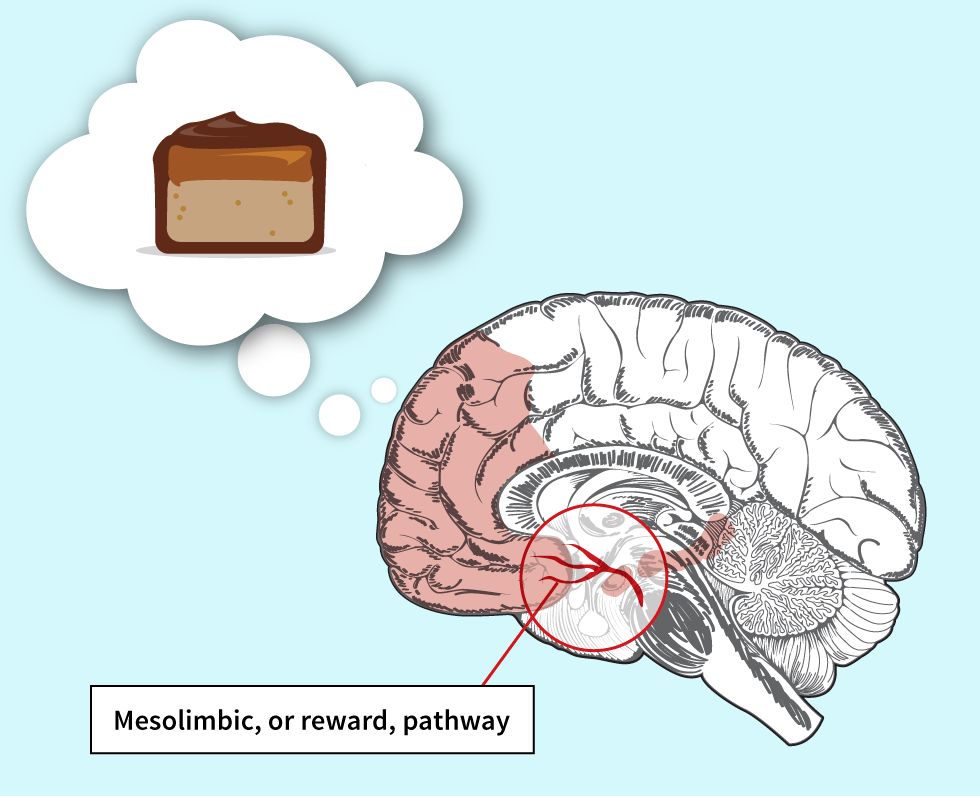
Sugar triggers the feel-good hormone, dopamine. This makes the brain feel like it got a reward and as humans, we like instant gratification and validation. So, the brain will say “More of this please?” And over time, whenever we need a feel-good kick, we reach out to sugar first.
This is the reason many with morbid obesity continue being cooped up and not going out as sugar has become their solace and feel-good place.
2. Rapid energy release
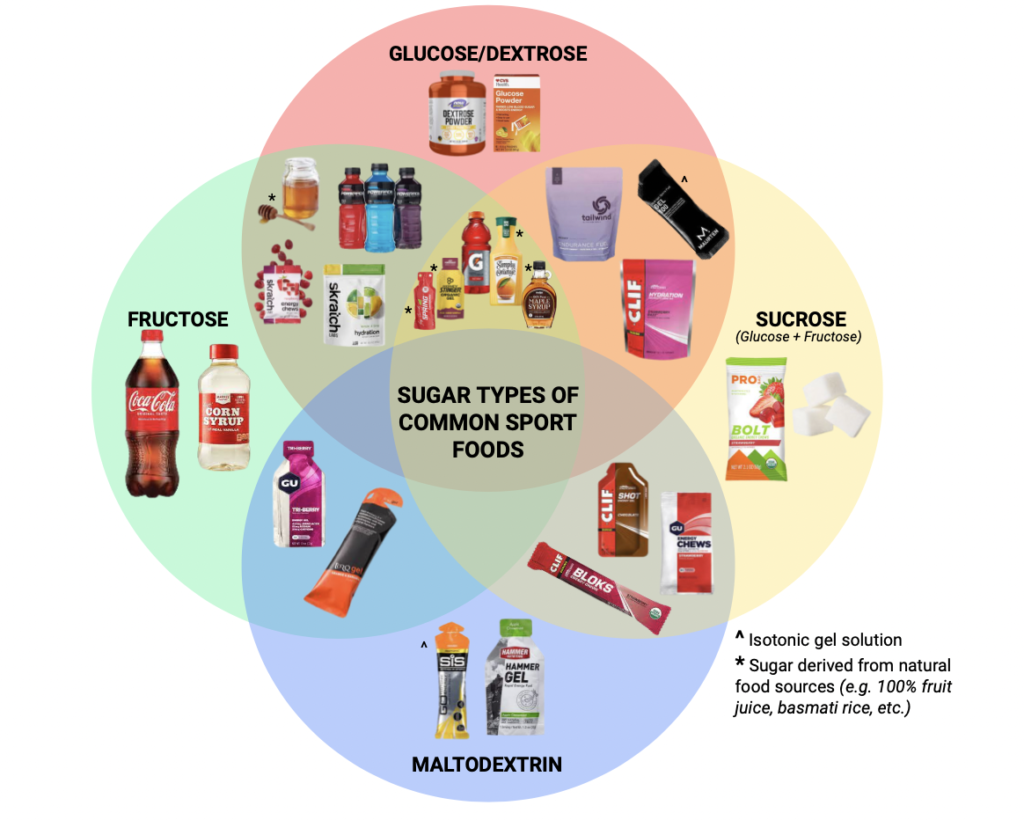
Modernization makes us tired as we are always on the go. Everyone is running around and stuck in a competition. Hence, there is a need for an energy boost throughout the day. This is the reason many get a coffee or doughnut fix in the middle of the day as the glucose makes us feel less tired, less stress and overall better.
It does not matter if the sugar crash comes later. Most importantly, at that brief moment, they feel good.
3. Evolution perspective
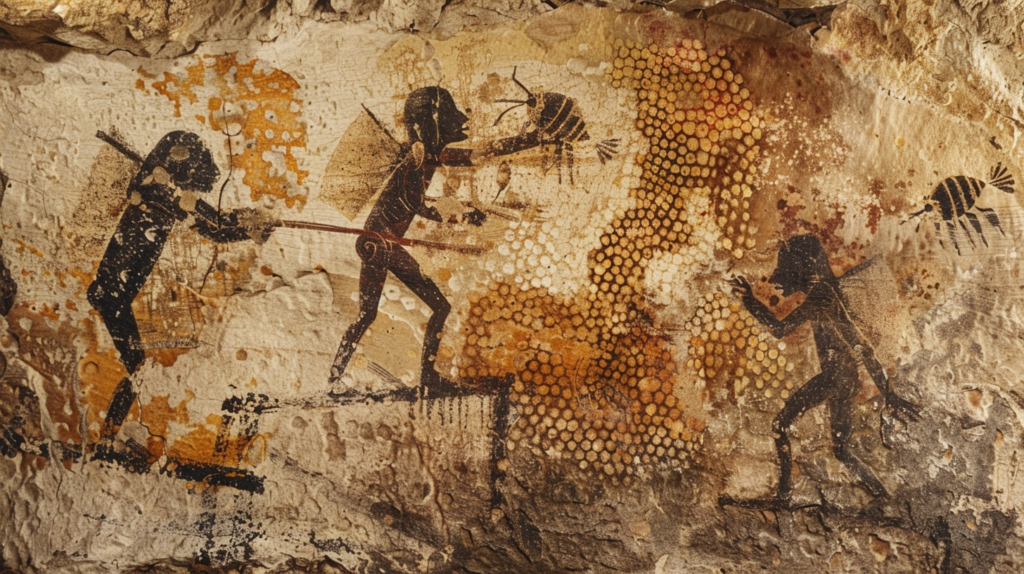
Our ancestors were always on the hunt for sweet fruits to supply energy. This was helpful for their survival as they faced many predators daily and had to run away from them.
This is the reason why the stop signal in our body for sugar is weak and the cravings are intense. This is because our brain and body are still wired in the hunter gatherer times where we had to look for sugar for sustenance.
4. Sugar = emotional comfort and need
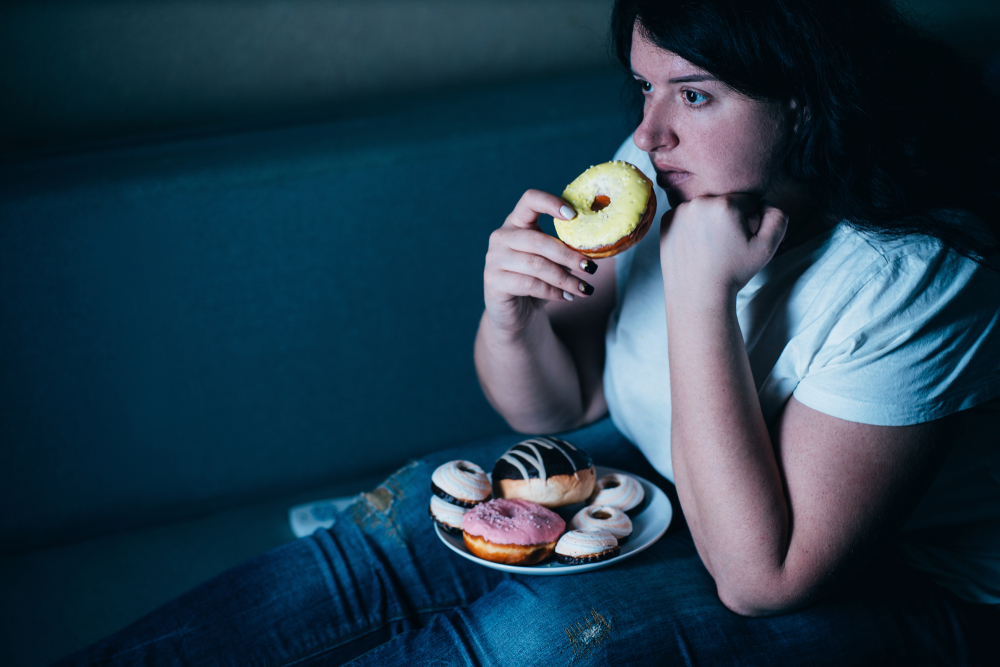
Some studies have shown that those who are obese had certain childhood deficiencies like insufficient food or affection from the parents.
As these kids grow older, turn into adults and start earning their own money, they start splurging on childhood treats, celebrations and good food to make up for the emotions that they lack during their younger days.
This shows that the desire for sugar is not always hunger, they can be emotional as well.
5. Sugar is ubiquitous
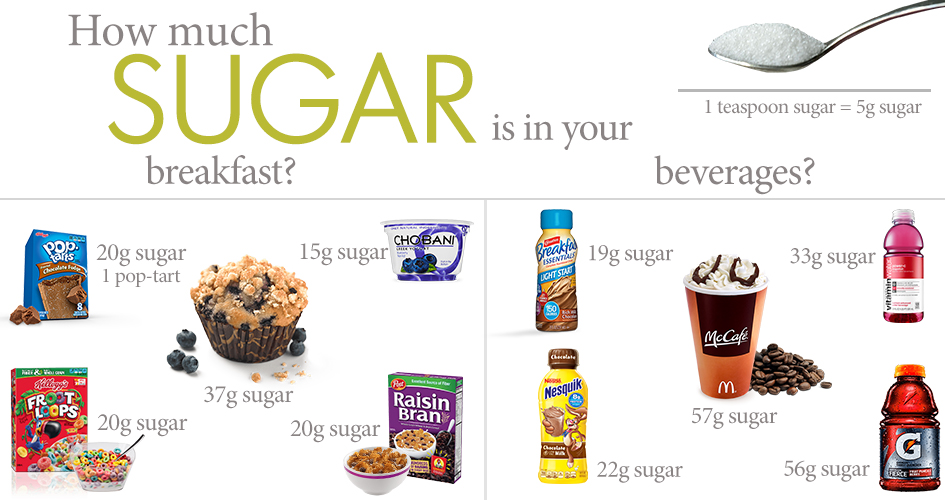
Even if one wants to avoid sugar and choose a healthier option, sugar is in everything.
Sugar is added to:
- Sauces
- Bread
- Yogurt and cultured milk
- “Healthy” snacks like granola
- Bottled juices
The taste buds are so used to sugar that foods that have zero sugar tastes bland. This makes many seek sugary alternatives especially those with artificial sweeteners to add zest to their foods.
6. The blood sugar cycle
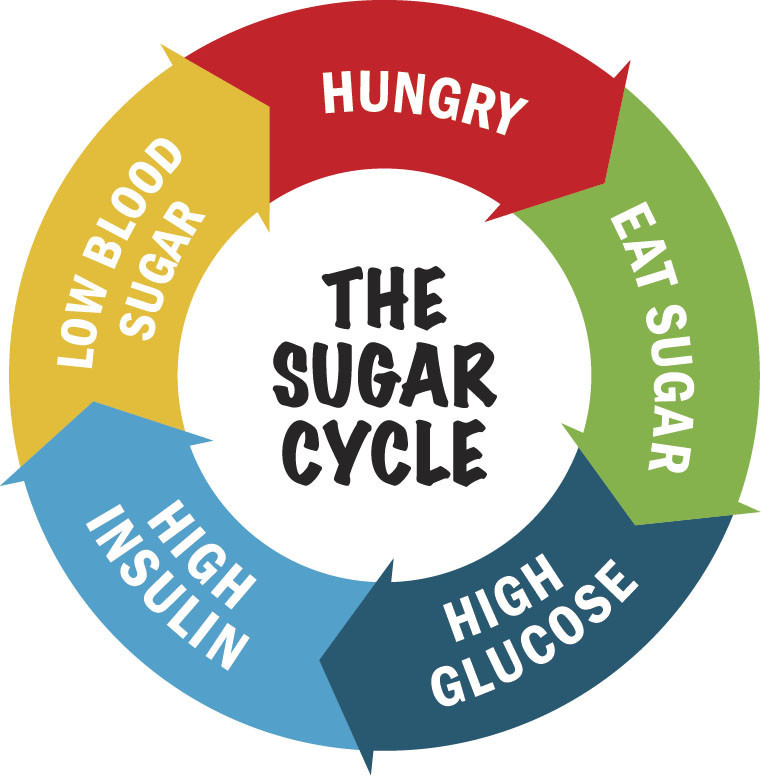
Eating large quantity of sugar causes:
- A sharp blood sugar spike
- Insulin dumping to reduce blood sugar
- Rapid blood sugar drop
- Brain feels that the sugar supply is low and this triggers hunger and cravings for sweets.
This cycle keeps individuals in a continuous loop.
7. Culture and habits matter
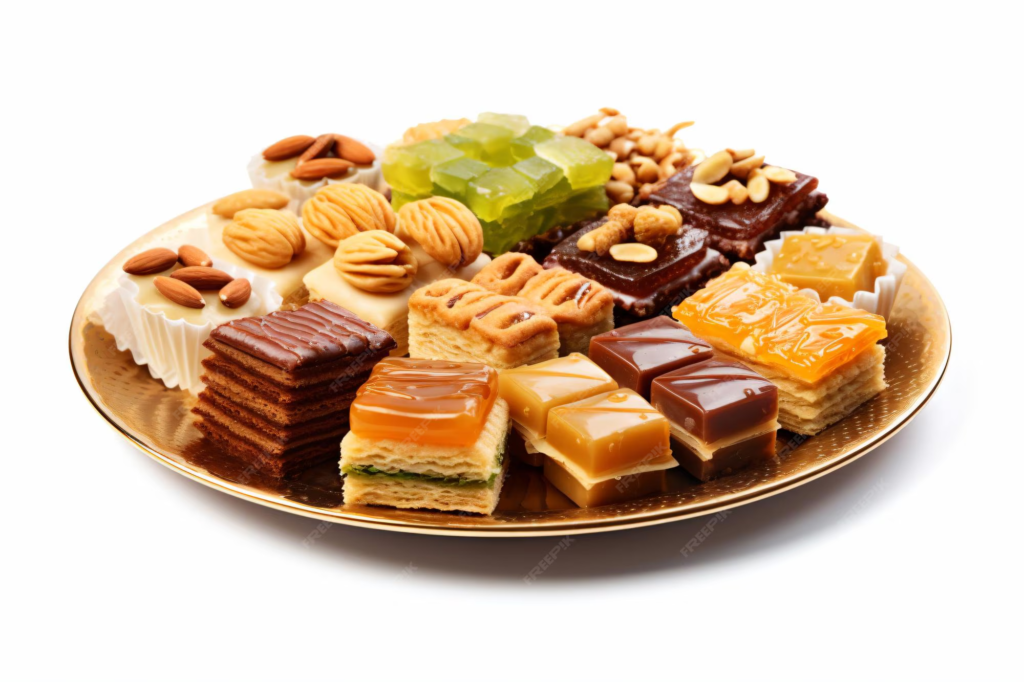
In many cultures, sugary foods are:
- A must have daily (e.g. chocolate pudding as desert)
- A social norm to celebrate a good moment or good day (e.g. birthday, engagement)
- Readily available and accessible than healthier options
The need for sugar is not only biologically carved but also environmentally induced. Everything from biology, psychology, and modern food design pushes one towards it.
8. Stress makes cravings louder

The stress hormone cortisol increases one’s appetite for sweet foods. When the day feels overwhelming, sugar acts as a temporary pacifier.
9. Poor sleep weakens control
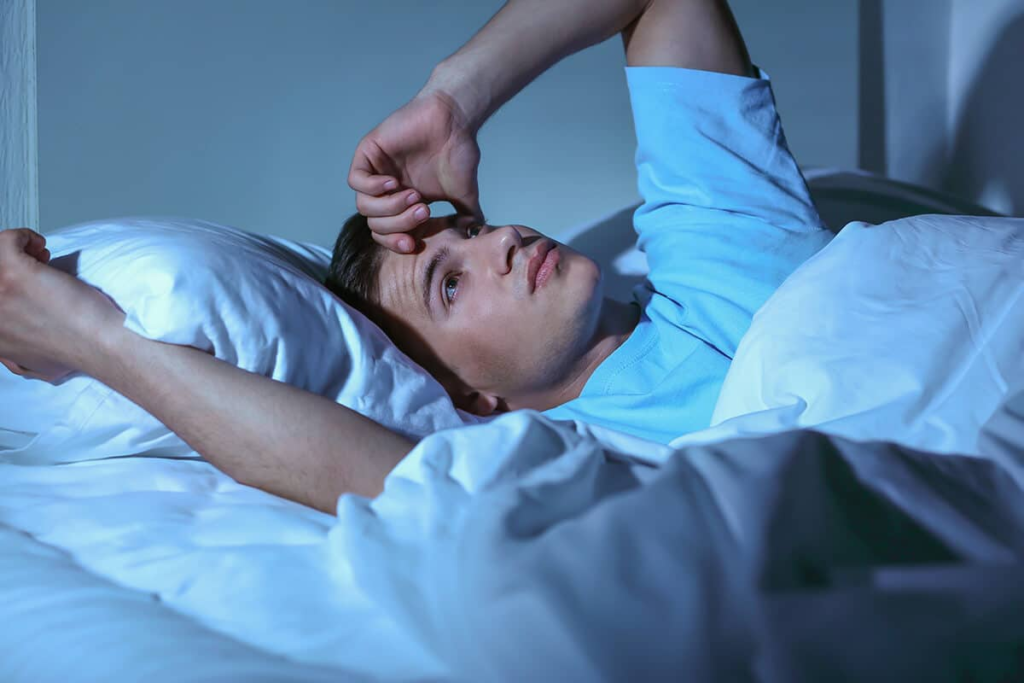
Lack of sleep:
- Raises hunger hormones (ghrelin) and lowers fullness hormones (leptin)
- This hunger hormones causes an increase desire for sweets as the brain wants fast fuel to stay alert.
10. Restriction can backfire
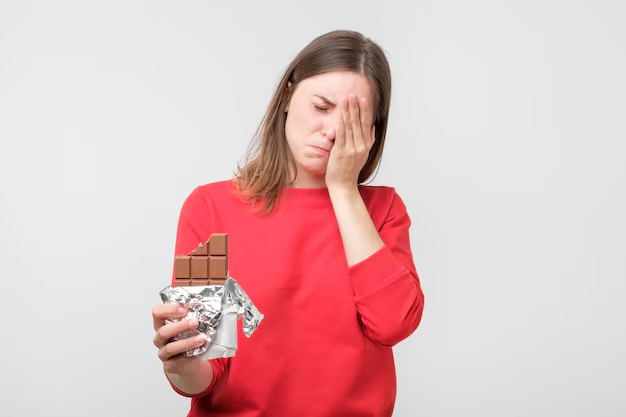
When people repeatedly tell themselves: “No sugar for me at all.”
The brain feels: Mental pressure makes this craving feel urgent and obsessive.
With the reasons listed as above, how do we manage sugar cravings?
1. Stop blood sugar rollercoasters
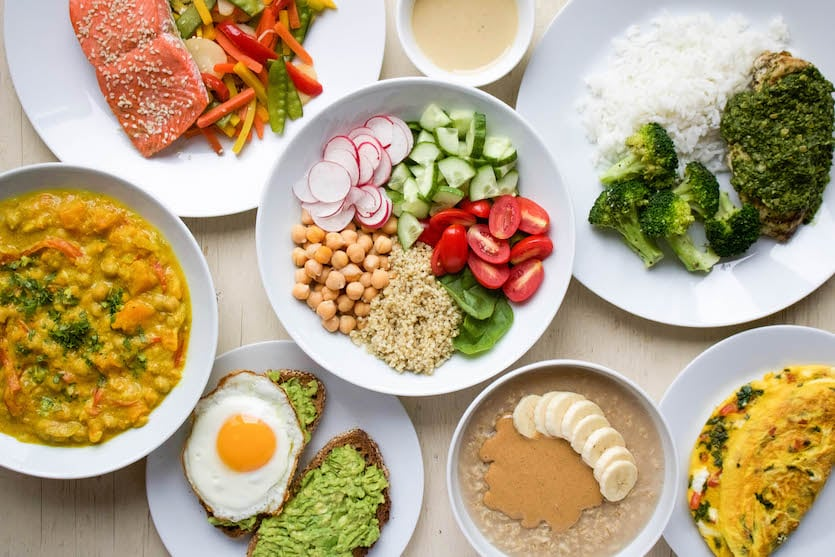
For each meal, add on more:
- Protein source (eggs, fish, chicken, tofu, yogurt)
- Fibrous meals (vegetables, beans, whole grains)
- Healthy fats for garnishing (nuts, olive oil, avocado)
This makes the meals balanced and sugar cravings drops naturally within a week or two.
2. Eat sugar on purpose, not impulsively

Switch to having sugar at a planned time off the day (e.g. post dinner desert).
This removes:
- Guilt
- Scarcity mindset
- Binge-restrict cycles
3. Fix the craving times, not the food
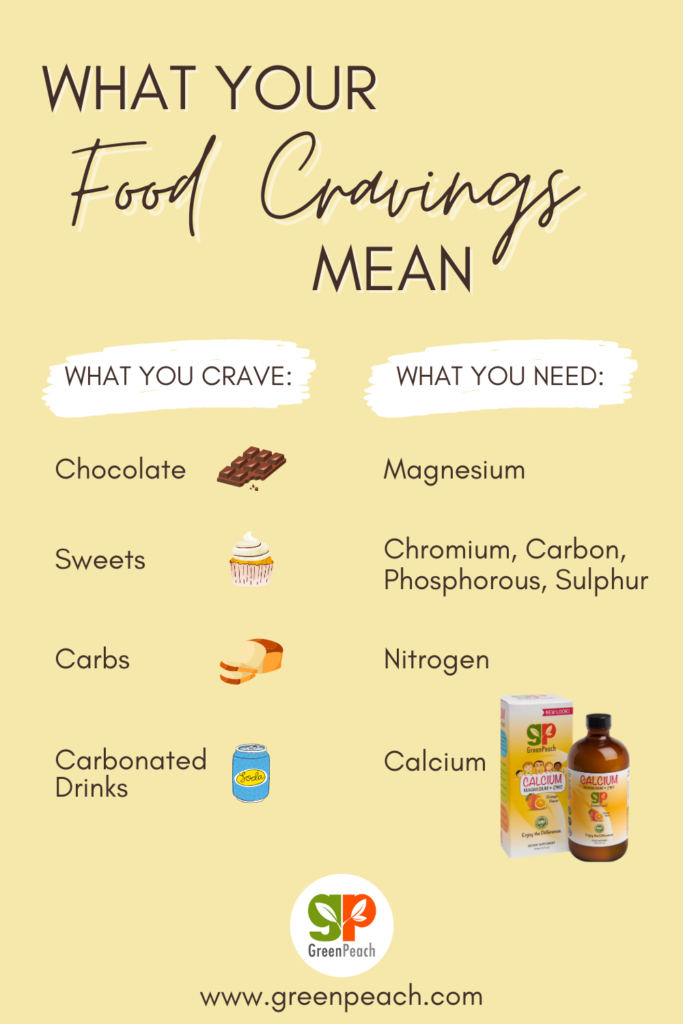
Cravings are often signals from the body to meet its needs.
- When do cravings hit? Is it afternoon, night or during stress hours?
Then, reflect on what might be lacking in the body. It might be:
- Afternoon → lack of protein intake and water
- Night → magnesium-rich foods to sleep better
- Stress → Breathing exercises to destress and a warm drink to feel secured
5. Sleep is non-negotiable
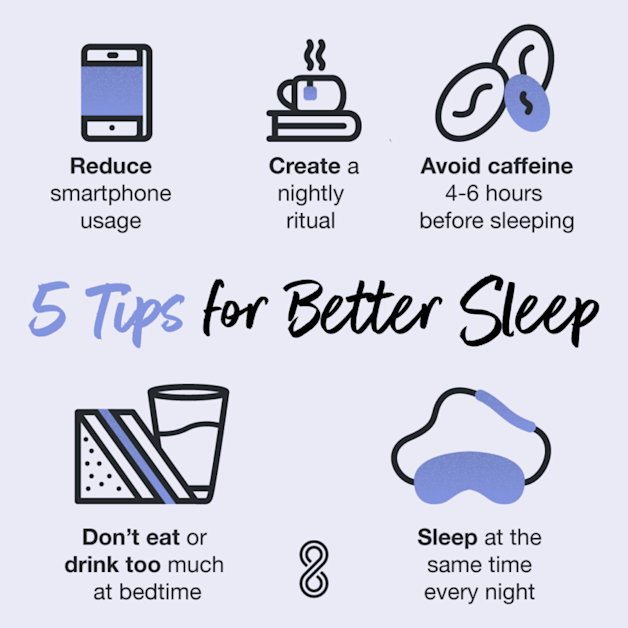
One night with poor sleep quality increases sugar cravings the subsequent day.
Aim for a good sleep with healthy sleeping practices.
6. Reduce stress before fixing food
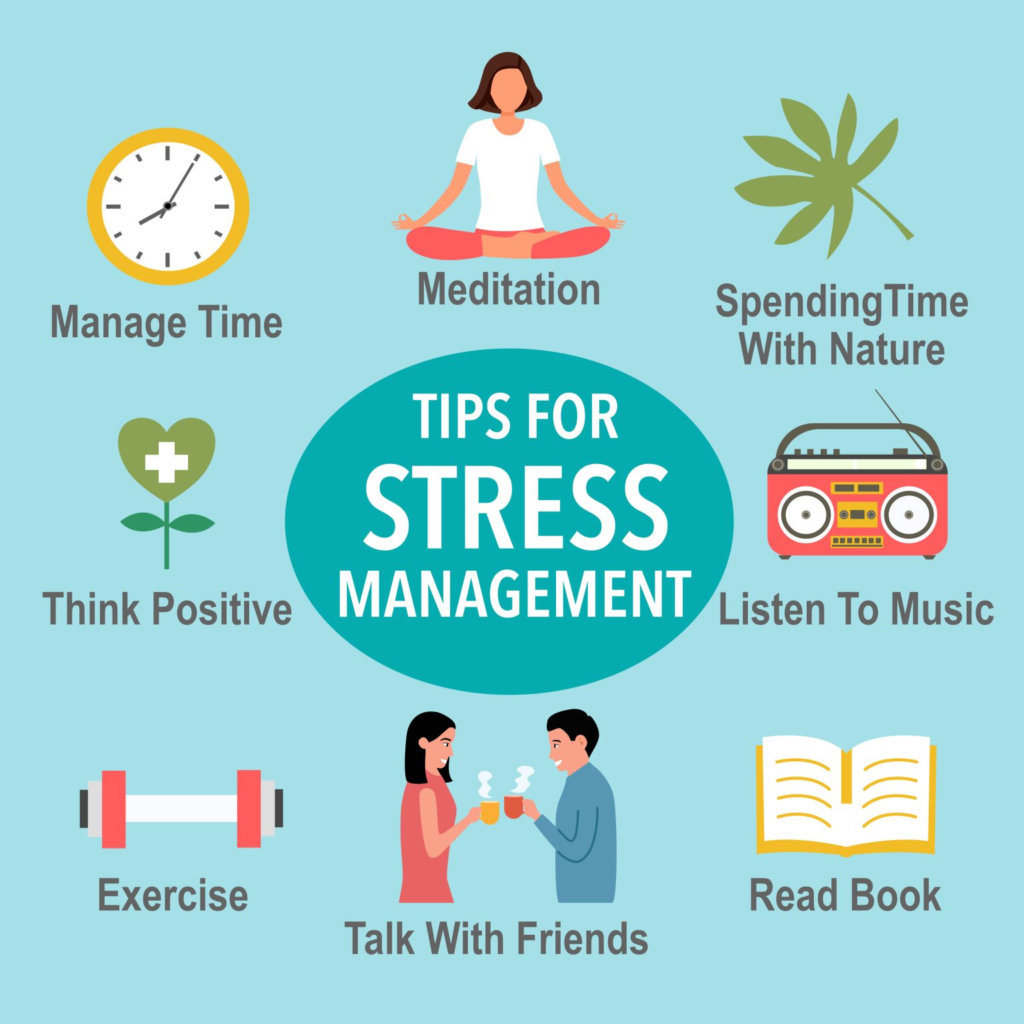
High stress = high cravings.
Try de-stress methods such as:
- 5-minute walks
- Deep breathing (inhale 4 sec, exhale 6 sec)
- Stretching and light exercises
7. Replace the “hit,” not just the habit
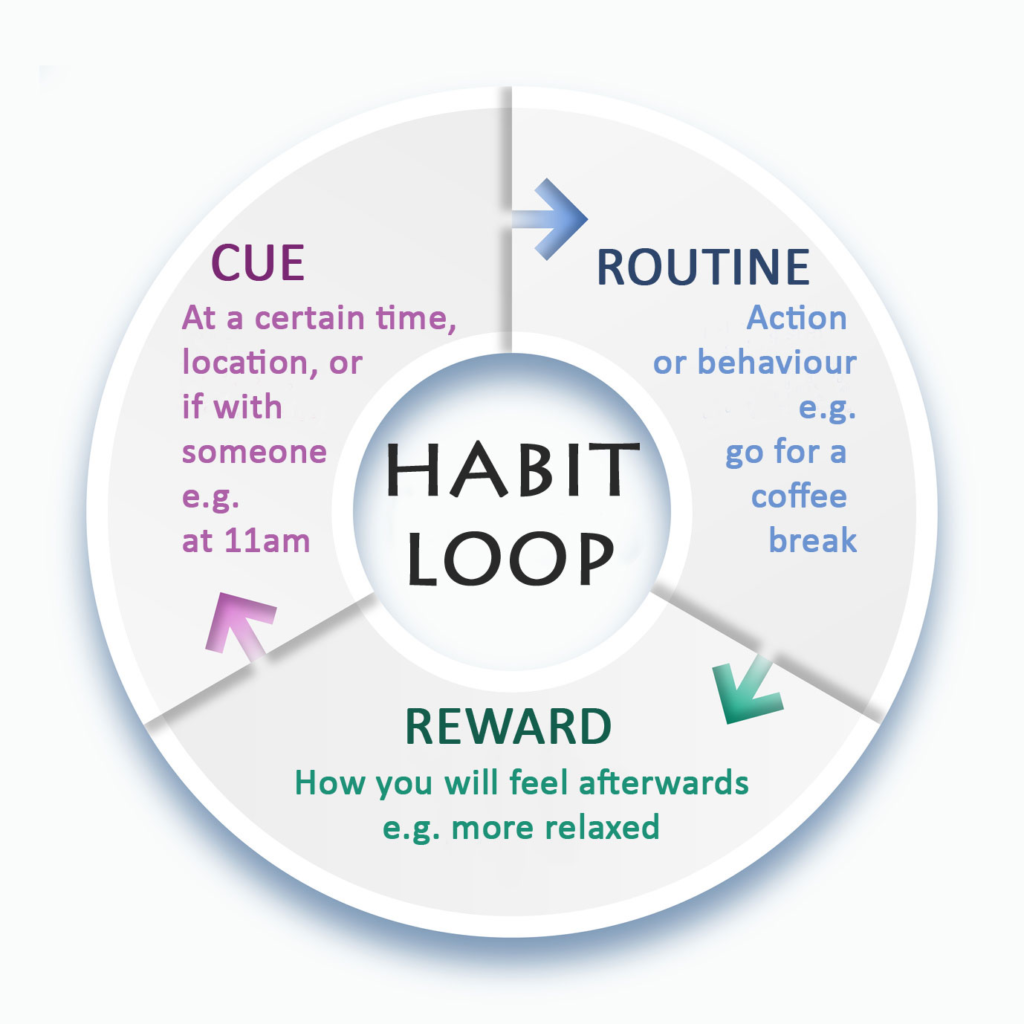
Sugar gives:
- Comfort
- Stimulation
- Reward
Find non-food rewards:
- Music
- Hot shower
- Sunlight
- Short break
Your brain will always want pleasure — just provide it with alternatives besides sugar.
What usually happens in your sugar craving journey?
- Week 1–2: Cravings may show up strongly – once in a while
- Week 3–4: Less cravings
- Long-term: Sugar becomes optional
To conclude it all, don’t remove sugar — remove the chaos around it.