
Allulose – Have you heard of it?
I recently was approached to do a review on allulose. I knew allulose was some sugar, but it is really not that popular. It is also expensive – RM 20 for a 350g bag. This is so much more expensive than the RM 3 sugar packet (500g) in the market.
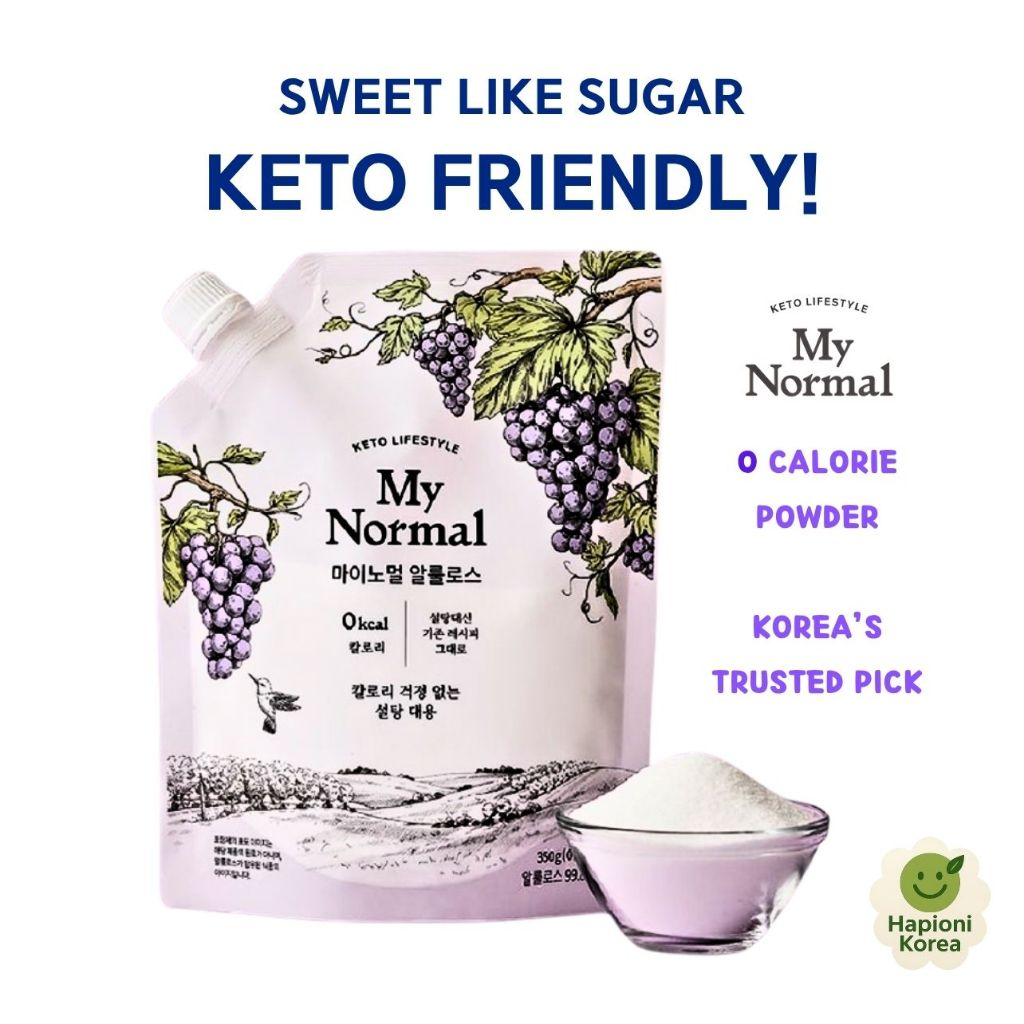
The allulose was sent over to my house and I did a google search to understand the product better. Below are the questions running around in my mind and the answers that I got.
1. What exactly is allulose?
- A naturally occurring sugar found in minute amounts in foods like figs, raisins, wheat, and many other fruits. For example, 100g of dried fig will only give 0.5-1g of allulose. One will need hundreds of kilograms of figs to get 1kg of allulose.
- Since allulose is difficult to extract, for commercial purposes, allulose is made by converting fructose from corn/sugar beets with the help of enzymes. This process rearranges the sugar molecule but does not create a new artificial substance.
- Chemically, allulose has the same structure as fructose but the body doesn’t metabolize it the same way.
2. Calories & blood sugar
- Allulose is a rare type of sugar and is classified as natural sugar.
- Calories are negligible: about 0.2–0.4kcal/g (table sugar has 4kcal/g)
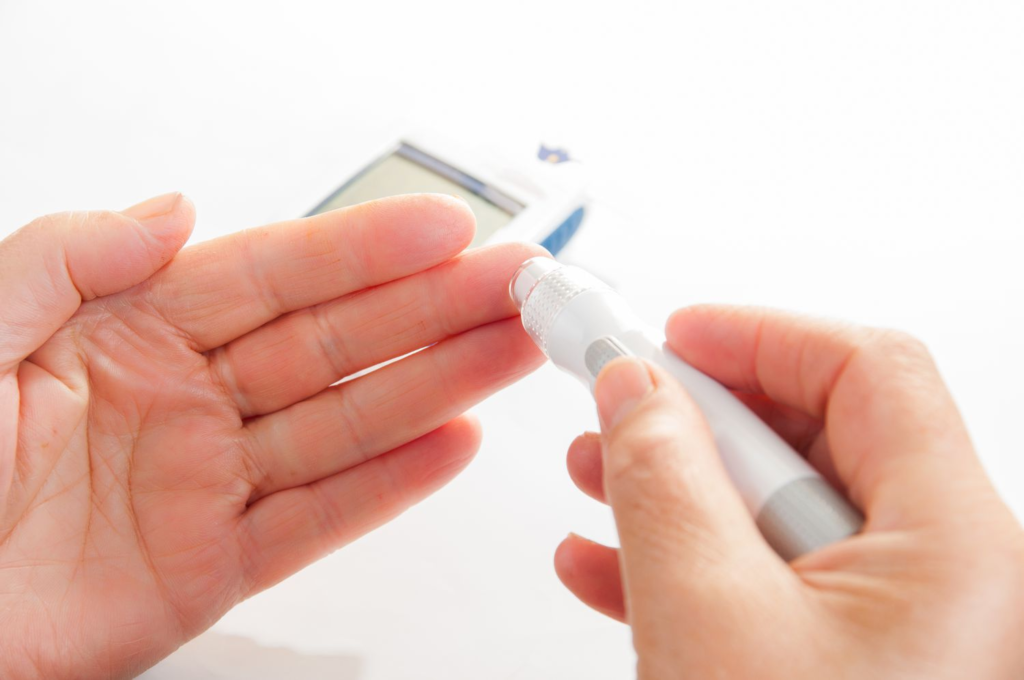
- Doesn’t spike blood sugar or insulin as it is not metabolized by the body for energy. This makes it suitable for diabetics to consume.
- Allulose is then removed completely via urine within 24 hours.
3. Taste & cooking
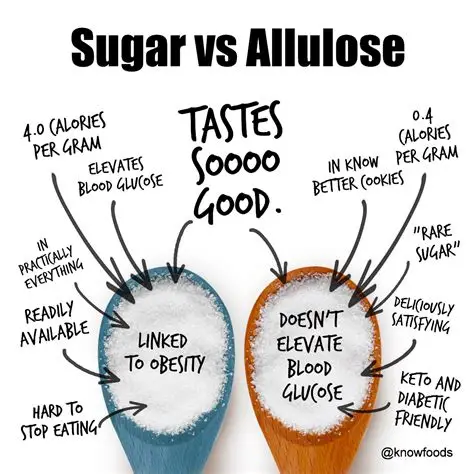
- Not too sweet- tastes about 70% as sweet as sugar and need to use 1.3x more to get the same taste as table sugar.
- No bitter or artificial aftertaste like artificial sweeteners
- Heat resistant as it caramelises and browns like sugar. This makes it suitable for baking and cooking.
- For products like bread that use yeast for fermentation, it is not advisable to use allulose as it does not supply enough sugar for the fermentation process.
4. Which population should use allulose?
a. People with blood sugar issues (diabetes or prediabetes)

- Allulose doesn’t raise blood sugar or insulin
b. Those on keto & low carb diets
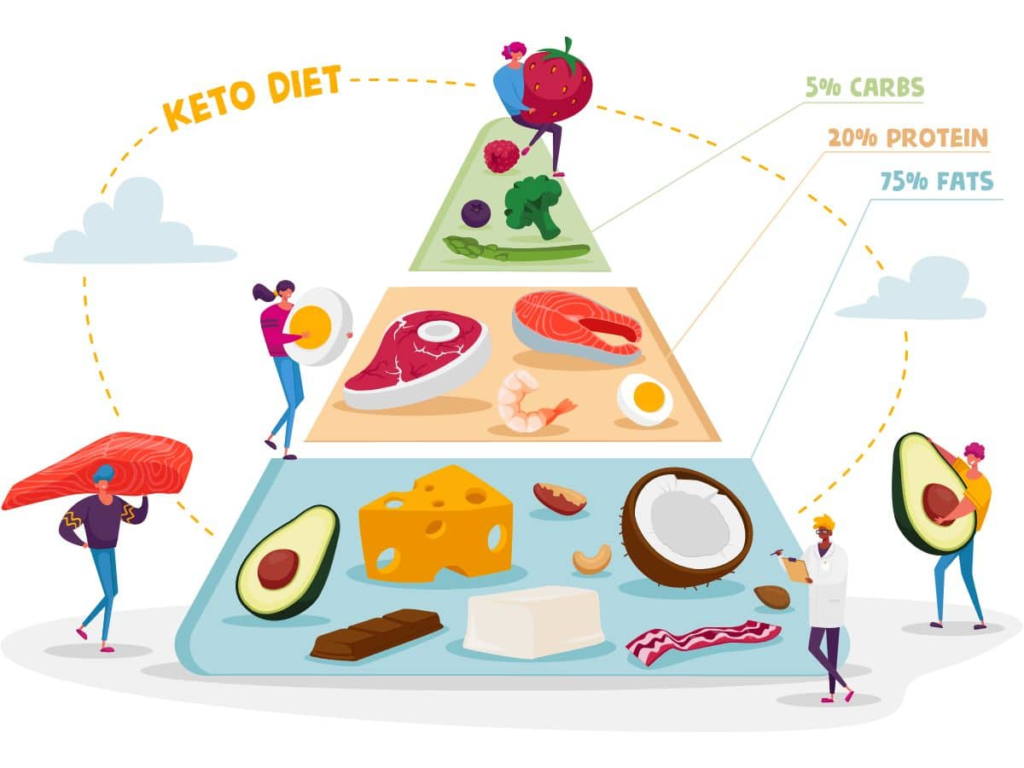
- Used in keto desserts, drinks, and baked goods. It actually gives moist baking products as allulose can hold moisture well.
- Preferred because it behaves and does not have an effect on the ketosis states of the body
c. Weight-management & fitness groups

- Maintains sweetness and still low in calories
- Suitable for those who want to improve their metabolic profile and lose weight
d. Health-conscious individuals

- Suitable for those who have issues with sugar or artificial sweeteners like aspartame or sucralose
- Perfect for those who are into “natural but low-impact” ingredients
e. Professional & home bakers

Suitable for bakers making:
- Diabetic-friendly desserts
- Keto pastries
- Low-sugar ice cream (allulose is excellent here)
Disadvantages
- In large amounts, allulose can cause bloating and diarrhoea as it is not digested by the body
- Expensive and limited availability in the market
- Not suitable for dogs as it can cause digestion issues
- Suitable for those with renal issues
To sum it all, allulose is the distant cousin of sugar but with a less sweet taste, way lower calories and no effect on blood sugar levels.