
Have You Heard of Colour Therapy?
I recently visited a hospital and I learnt that they consulted a colour therapist to determine the colour of their recently renovated wards. The general wards are blue in colour, maternity ward is pink and paediatric ward is purple.
It was my first time hearing about a colour therapist and I found out that the main role of a colour therapist is to add colours to their clients’ lives. These addition of colours can support their emotional states, stress levels and energy patterns. Many studies have proven that colours can influence mood, energy, and cognitive ability.
Basically, there is no license or certificate to become a colour therapist but many of them come from coaching, holistic therapy and art backgrounds. They do not diagnose health conditions like doctors but help by adding colours to your clothing, living spaces, or work environments.
How Does Colour Therapy work on us?
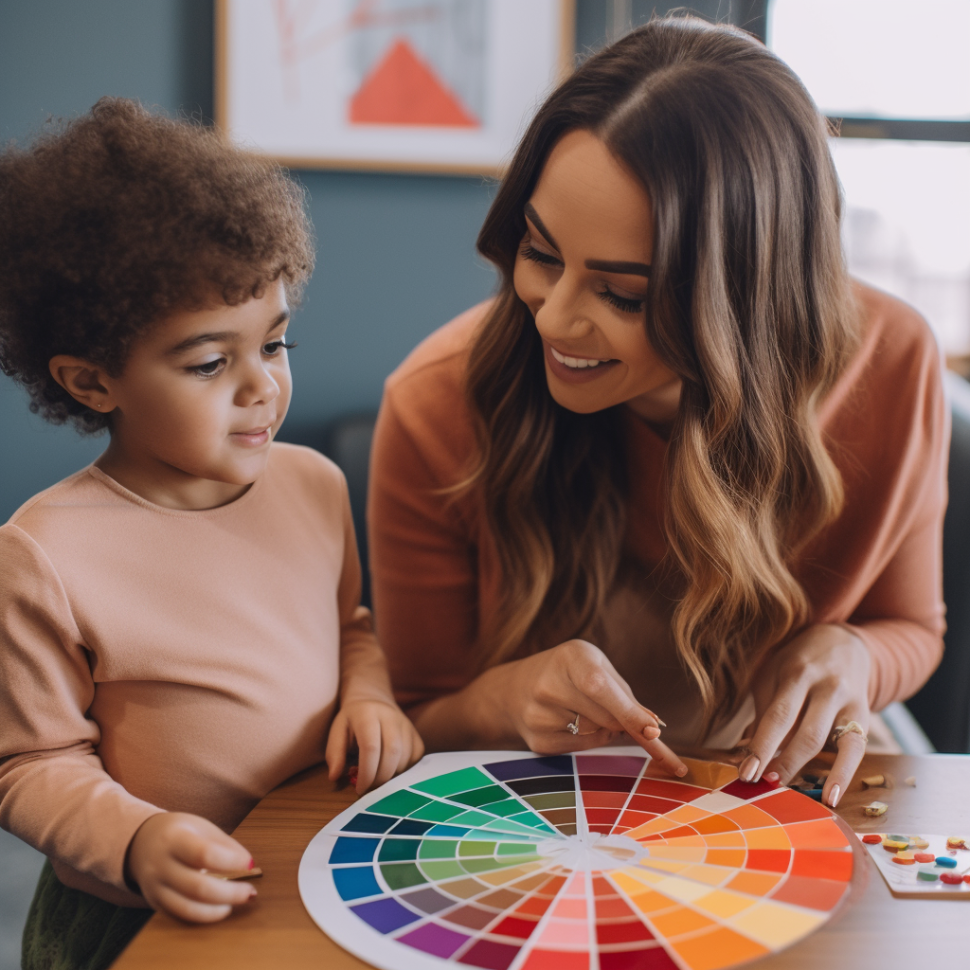
Colour therapy or chromotherapy is a form of therapy that uses coloured lights, specific daily colour choices (clothing, paint, accessories etc.) and coloured imagery to manage mental health conditions.
Origins of Colour Therapy
The origins of colour therapy are rooted in India and according to Ayurveda, colours are believed to positively impact the chakras of the body. This treatment is much practiced in Japan and Eygpt and is used to alleviate symptoms arising from mental health issues such as depression, anxiety, PTSD.
How does Colour Therapy Work?
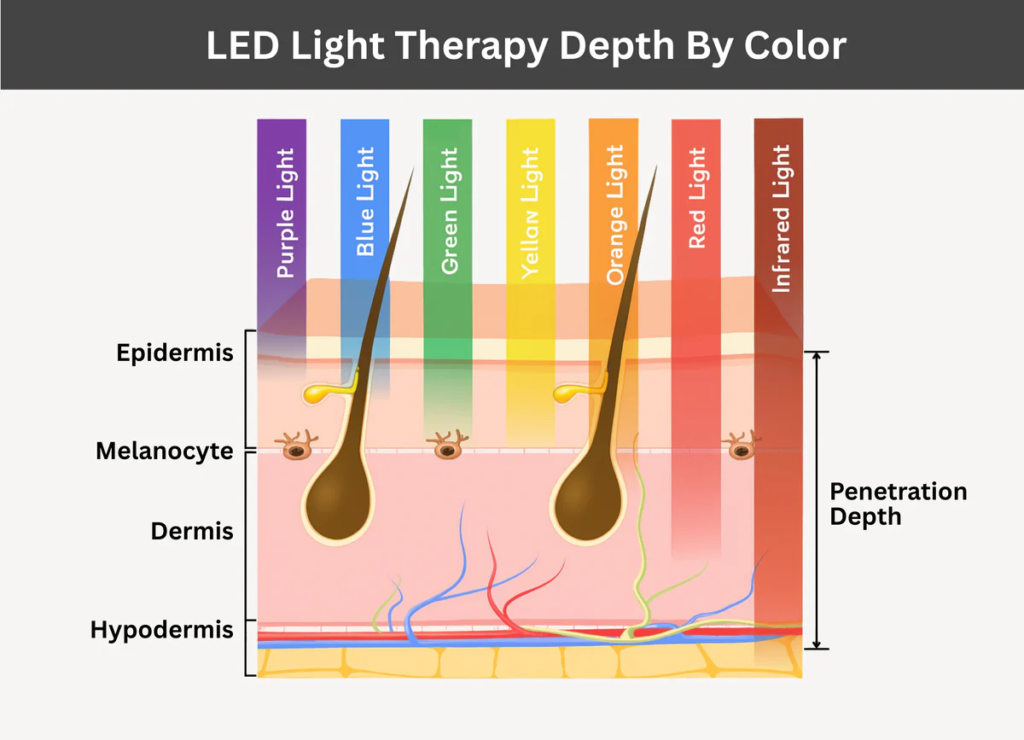
Colour therapy is done via two ways:
a) Sight – looking at a particular colour to elicit a response in the nervous system. Warm colours such as orange and red are to stimulate the nervous system and cool colours such as white and blue are for calming effect.
b) Reflecting certain colours on body parts – Colour therapists believe that each colour has a unique wavelength and frequency and can enter the body through the eyes and skin. This frequency will then have an effect on the body. For example, orange light helps to improve sleep quality.
Function of Each Colour in Colour Therapy
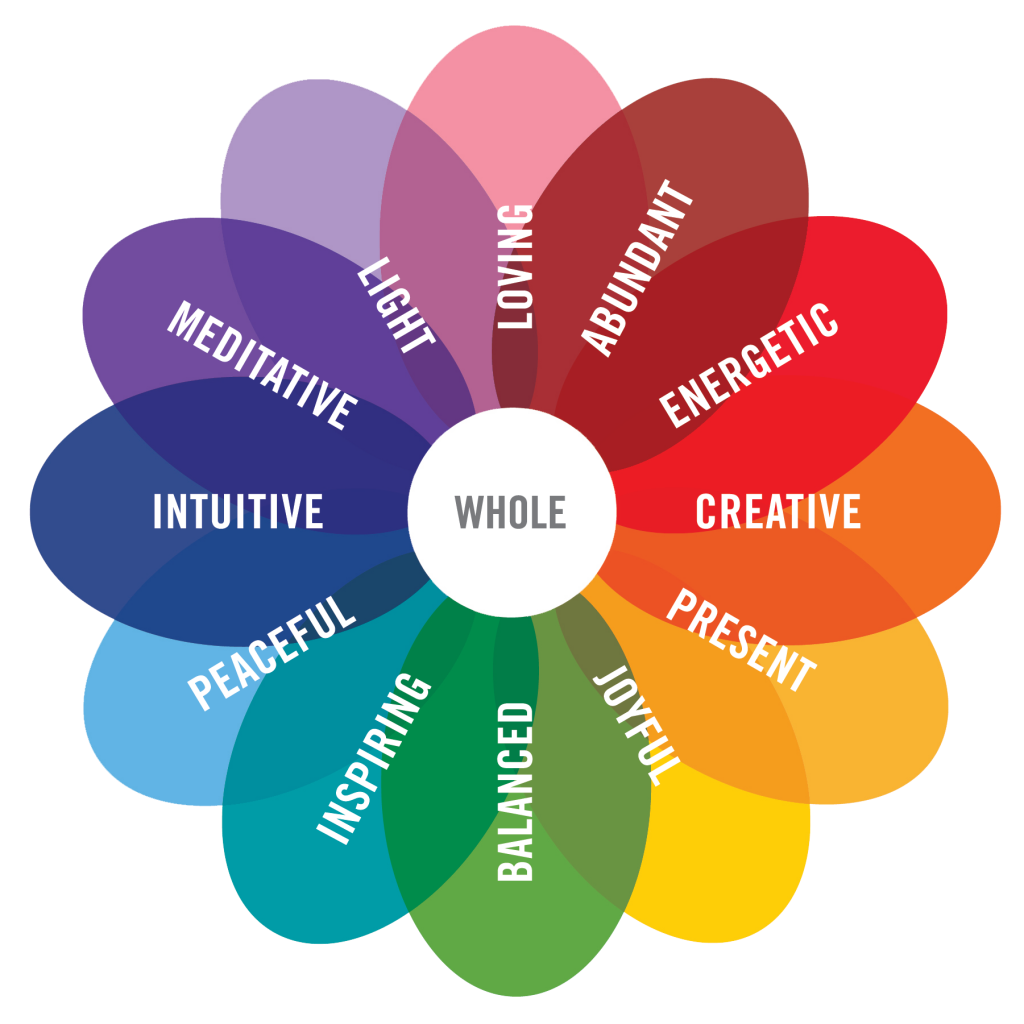
In colour therapy, different colours impact the body and the nervous system in a different manner. Below are the breakdown of colours and its effect:
- Red: Used to hype and energise a person who might be feeling exhausted or low. However, for those who are tensed, red may trigger stress.
- Blue: Blue is used to influence depression and pain. Dark blue is known to have sedative properties on the brain and are used on those having insomnia or other sleeping disorders.
- Green: It is the colour of nature and can help relieve stress and induce relaxation.
- Yellow: Used to improve mood and create an environment of happiness and optimism
- Orange: Function is similar to yellow and can be used to elicit happy emotions in people. The bright and warm orange can stimulate appetite and the mind as well.
Benefits of Colour Therapy
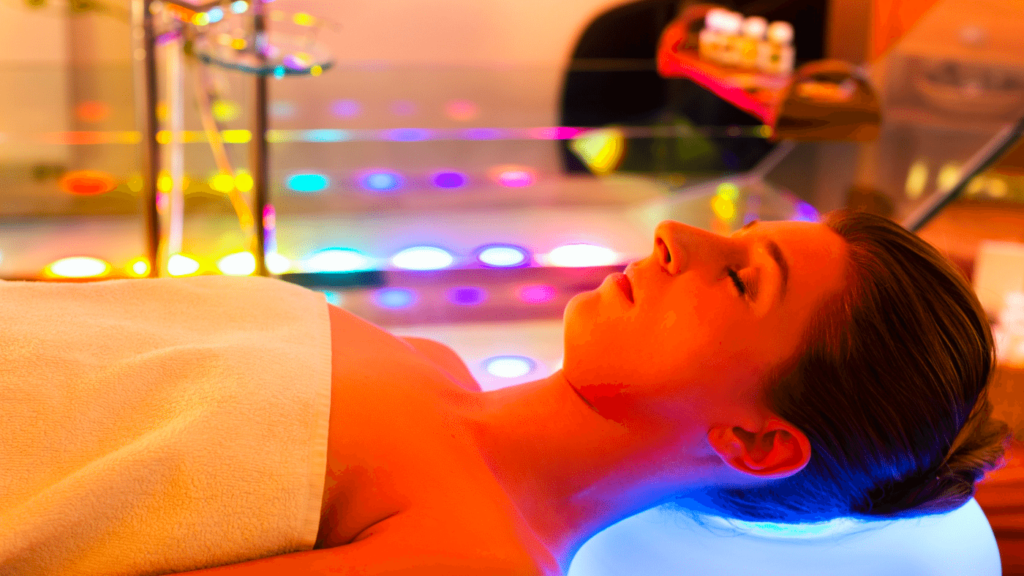
The evidence behind colour therapy is still unsubstantiated however its belief is harmless. Here are some ways you can get started with colour therapy:
- Remove blue lights exposure for better sleep. Research has shown that the blue light in electronic gadgets can affect the circadian rhythm which subsequently affects sleep quality. Wearing anti-blue light glasses or turning the settings on the gadget to warmer yellow tones has been found to help.
- Bask in nature. The green leaves and grass in nature can positively relax and calm our mind.
- Be intentional about colour choices. Pick colour choices that are stimulating and can elicit positive emotions when picking clothes or when painting the house walls.
To conclude it all, colour therapy does not treat mental health issues like depression or anxiety. It just helps in managing the symptoms. If you suffer from mental health issues, please reach out to a doctor or psychologist for assistance.