
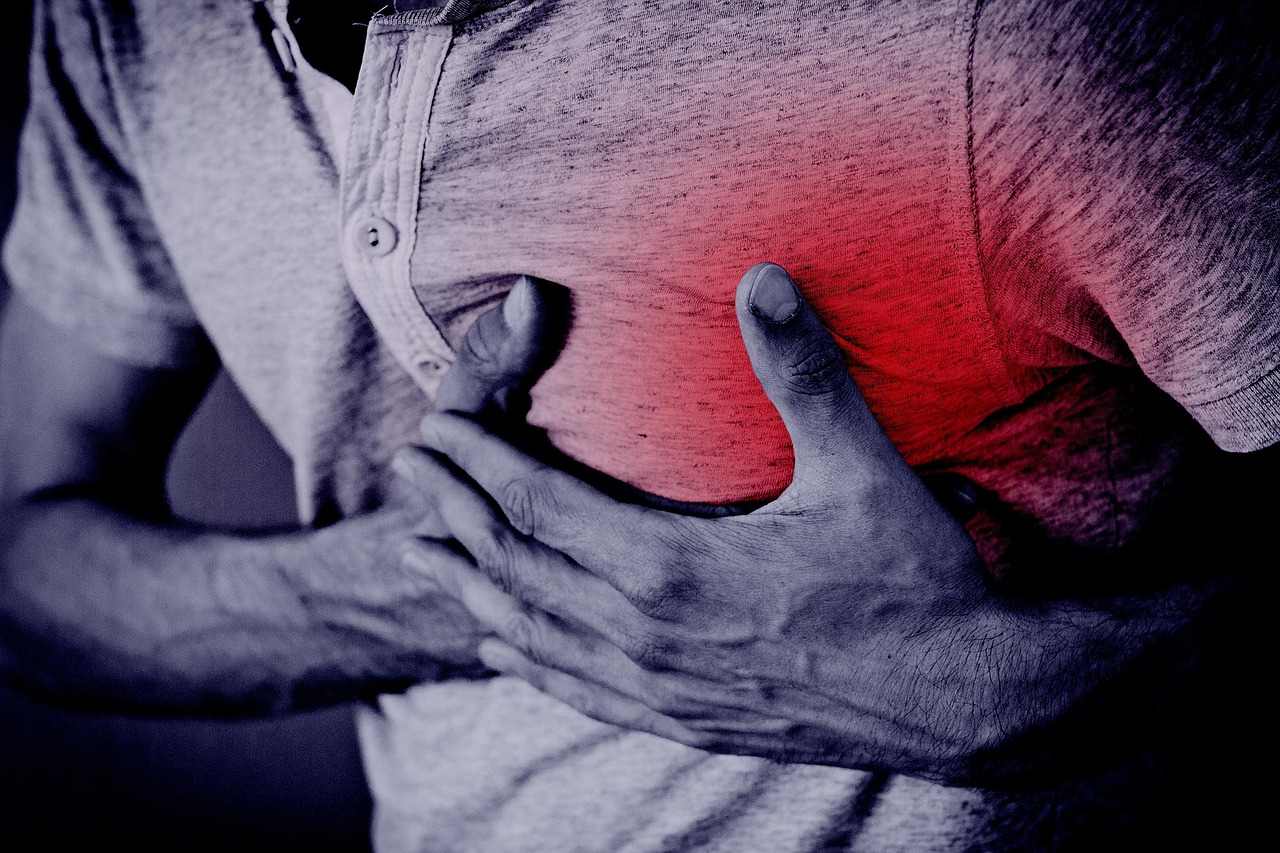
Does High Cholesterol Cause Heart Attack?

Not always. High cholesterol is just a risk factor of heart attack.
Typically, over a period of time, cholesterol gets dislodged in arteries and causes plaque. However, this is not applicable to everyone. Over a wedding dinner, I found out that my dad’s cousin brother had calcium deposits blocking 98% of his arteries. His cholesterol levels were normal.

He eventually had to go for two stents. According to his wife, he does not drink enough water daily and has 1-2 cans of beer every night. This means he is dehydrated. Over a prolonged period of dehydration, electrolyte balance in the body is affected causing elevated levels of calcium in the body which the kidney is unable to clear. This calcium eventually deposits along the veins and arteries all over the body.
Also, I recently found out that my 34-year-old friend also had a cardiac arrest despite being so fit. He goes to gym and looks after his meals. Also, his cholesterol levels were normal but many of his family members had heart attack between the ages of 30-40. This is more genetic predisposed.
Contrary to what many think, heart attack is not always caused by elevated levels of cholesterol.
There are other reasons of heart attack which many may not know. The list is as below:
1. Blood Clotting Disorders

Thrombophilia or blood clotting disorder is usually passed down genetically. This disorder causes blood to clot too easily and these clots can then flow from another location to the heart artery (embolism) and cause a heart attack.
2. Inflammatory or Autoimmune Diseases

Autoimmune disorders such as lupus, Kawasaki disease and polyarteritis nodosa can increase inflammation in the body which subsequently damages the heart muscles and weakens the arteries.
The poor flow of blood causes deposition of plaque on the heart wall (atherosclerosis) and restricts the flow of blood to the heart. Poor blood flow and plaque deposition eventually causes heart attack.
3. Cocaine or Stimulant Use

Stimulants trigger the body’s “fight or flight” response by increasing norepinephrine levels, causing a direct increase in heart rate and blood pressure.
This can lead to a sudden pressure on the heart and this short-term spike increases the risk of heart attacks and heart rhythm disorders (arrhythmias).
4. Severe Anaemia

Anaemia is the result of reduced red blood cells carrying oxygen in the body. If there is insufficient oxygen in the blood, the heart muscle becomes starved and eventually dies. A dead heart muscle will eventually give haphazard signals to other parts of the heart and the heart will eventually go into a cardiac arrest.
5. Trauma

Direct injury to the heart upon impact can cause a clot or injury.
Examples of trauma able to trigger a heart attack is:
- Chest impact (car accident, sports injury)
- Complication from medical procedures like angiography or stent placement which can injure heart vessels and nerves.
6. Congenital Heart Anomalies
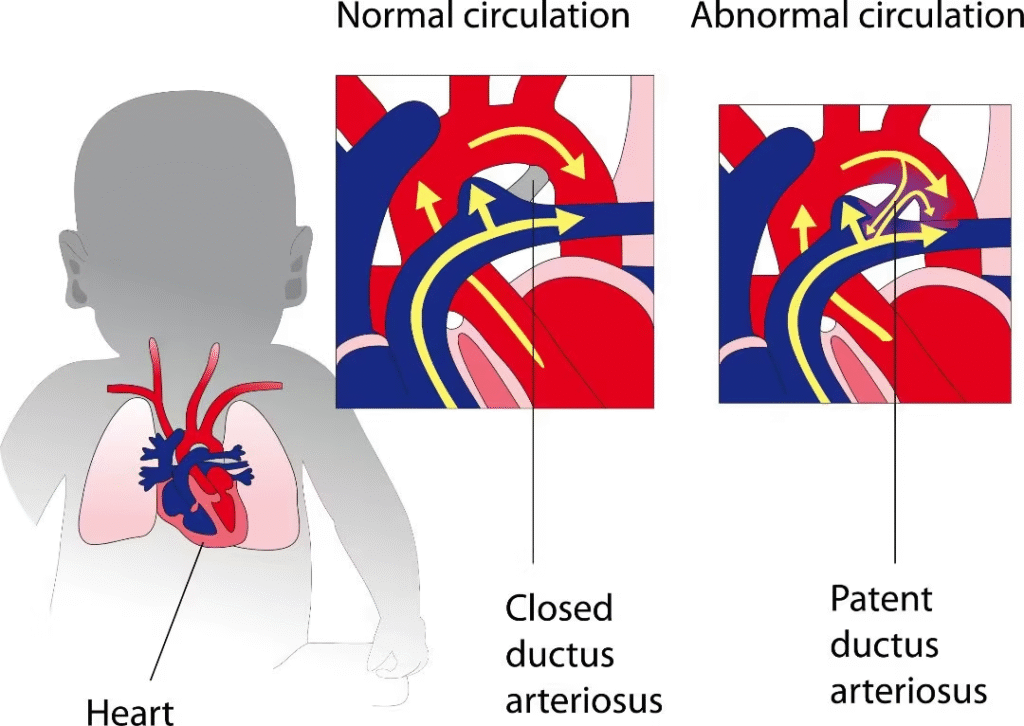
A congenital heart defect is a defect in the structure of the heart, and a child is usually born with it.
Serious congenital heart defects usually are found soon after birth or during the first few months of life. Less-serious congenital heart defects may not be found until later in childhood but the severity of it may progress over time.
Example of congenital heart issues that may lead to a heart attack if not treated are:
- Atrial septal defect is a hole between the upper heart chambers, called the atria.
- Ventricular septal defect is a hole in the wall between the right and left lower heart chambers, called the ventricles.
- Pulmonary stenosis. The pulmonary valve opening is narrowed and this slows the blood flow.
- Ebstein anomaly. The tricuspid valve which is located between the right upper heart chamber and the right lower chamber is not its usual shape and blood leaks through the valves.
7. Carbon Monoxide Poisoning

The heart muscle uses oxygen for the pumping of heart. When carbon monoxide binds to the haemoglobin, the heart muscle becomes oxygen starved. This will eventually cause the heart to beat faster to make up for the lack of oxygen. This rapid heartbeat triggers arrythmia and spasms which eventually causes heart attack.
8. Severe Thyroid Disease

- Hyperthyroidism – when thyroid hormones are elevated, tachycardia (rapid heartbeat) is observed. This can cause coronary spasm or arrhythmias which can result in coronary embolism.
- Hypothyroidism – slows body processes including blood flow which results in plaque formation and also hearts pumping ability.
To conclude it all, always do a stress test and look after your heart health. If you find anything amiss, immediately reach out to your doctor for further tests. It is always better to be safe than sorry.
References:
1. American Heart Association. Common Types of Heart Defects.
2. Harvard Health Publishing. How stimulants may affect your heart.