Why Mental Wellbeing Matters as Malaysia Ages
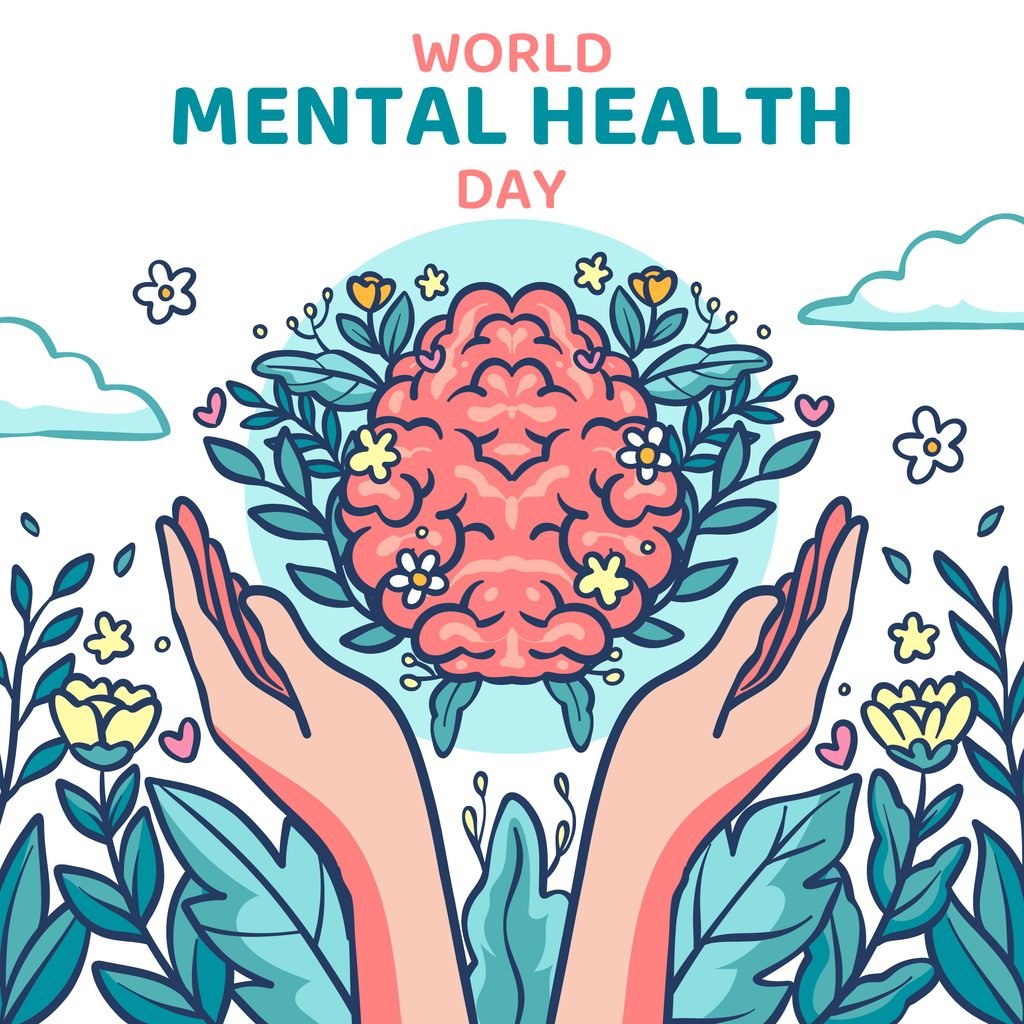
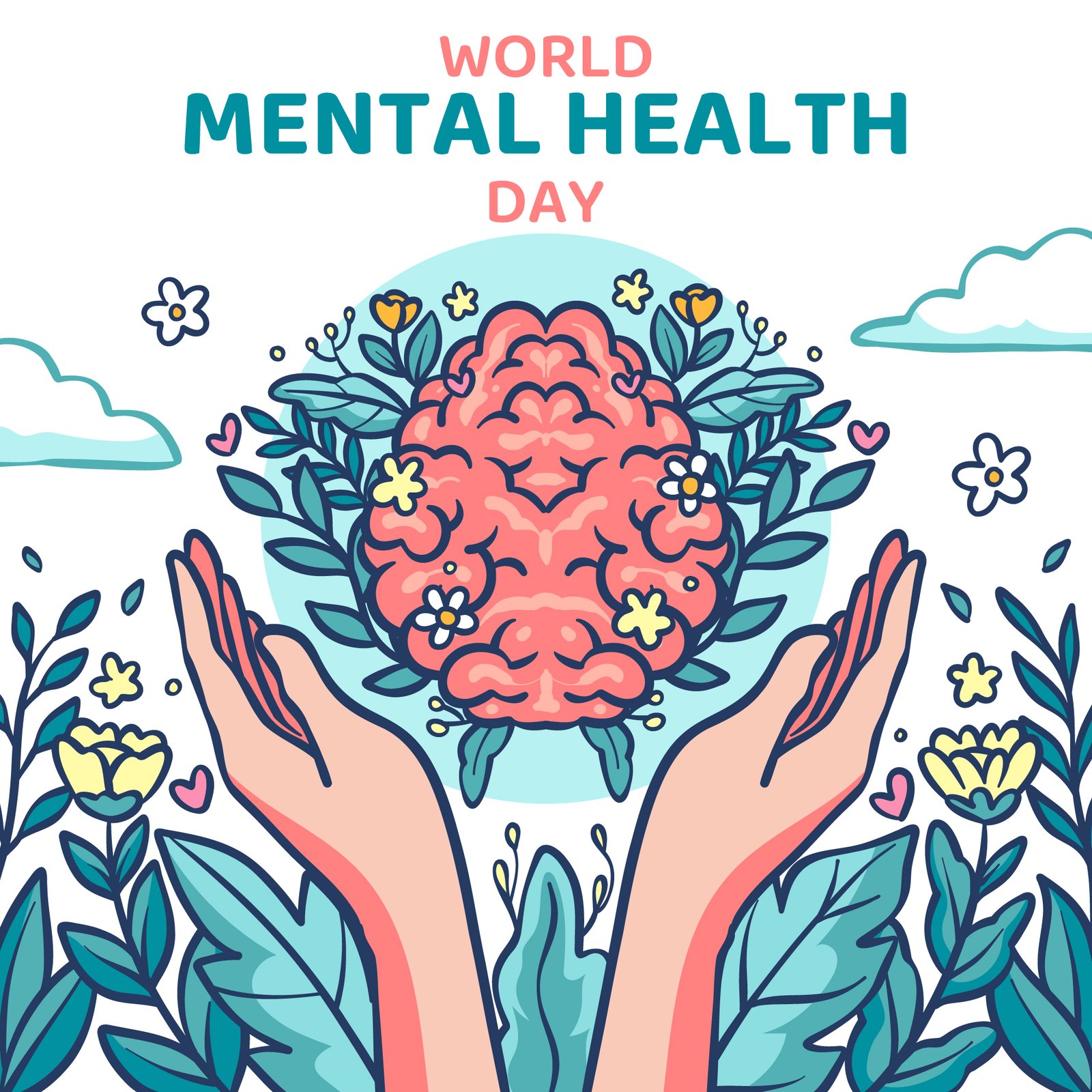
World Mental Health Day, observed on 10 October, carries the theme “Lived experiences heard: real voices, real change”.¹ It highlights the importance of listening to people with lived experience of mental health conditions to build more inclusive and effective support systems. This is especially important for older adults, whose mental wellbeing can be overlooked when discussing healthy ageing.
Malaysia’s population is ageing as better healthcare and living conditions help people live longer. By 2026, those aged 60 and above are expected to make up about 12.3% of the population.² While much attention is given to physical health and cognitive decline, mental wellbeing is just as important. Healthy ageing also means feeling connected, valued and having a sense of purpose.
Healthy ageing goes beyond physical health
Discussions about healthy ageing often focus on chronic diseases, mobility, physical fitness and memory loss. While these are important, mental wellbeing deserves equal attention.
Growing older can bring significant life changes. Retirement may mean adjusting to a new routine or losing a familiar professional identity. Children may move out, family relationships may change, and some older adults may lose a spouse or close friends. Others may struggle with reduced independence.
These changes can affect emotions, confidence and a person’s sense of identity and purpose. Although such transitions are a part of life, older adults should not have to navigate them without support.
Not everything is “part of getting old”

This is good to keep their cognitie function intact.
Changes in mood and behaviour are sometimes dismissed as a normal part of ageing. Persistent sadness, social withdrawal, loss of interest, changes in sleep or appetite, and forgetfulness may be blamed on age, causing signs of emotional distress to go unnoticed.
Growing older does not automatically mean becoming depressed, withdrawn or emotionally distressed. Depression and anxiety are mental health conditions that deserve attention and appropriate support.
Research in Malaysia has also found depression, anxiety and stress among older adults, with some cases going undetected. ³ Recognising changes in an older person’s mood or behaviour is important. Rather than assuming these changes are simply part of ageing, family members and caregivers should take them seriously and seek professional advice when needed.
Loneliness is not the same as living alone

Some older adults live independently while maintaining meaningful relationships. Others may feel lonely even when surrounded by family.
Loneliness depends on the quality of our social connections, not simply the number of people around us. Feeling understood, having someone to talk to and knowing that others care can make a meaningful difference.
A Malaysian study involving 2,188 older adults found that stronger social networks were associated with better psychological wellbeing and, in some groups, lower levels of loneliness.⁴ This highlights the importance of maintaining meaningful relationships as we age.
Ageing also means dealing with loss
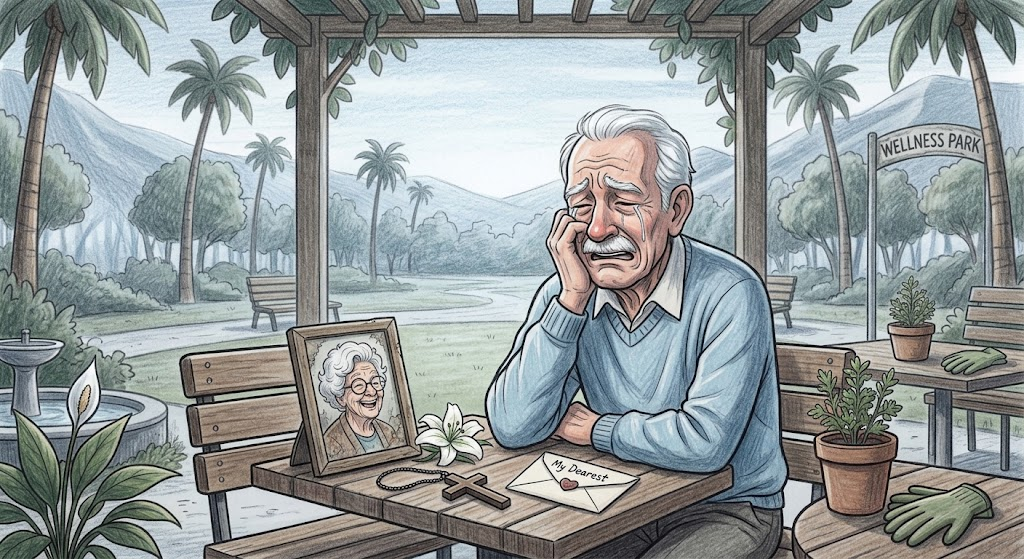
Always keep a watchful eye over their mental wellbeing and health.
Losing a loved one can mean more than coping with grief. For older adults, it may also mean adjusting to a new identity and way of life. Changes in familiar roles as a spouse, parent or caregiver, along with reduced independence, can affect their sense of purpose.
While sadness is a natural response to loss, older adults need space to express their emotions and share their experiences. Families and communities should offer understanding and support rather than expecting them to move on quickly or dismissing their sadness as a normal part of ageing.
How can we support older adults?
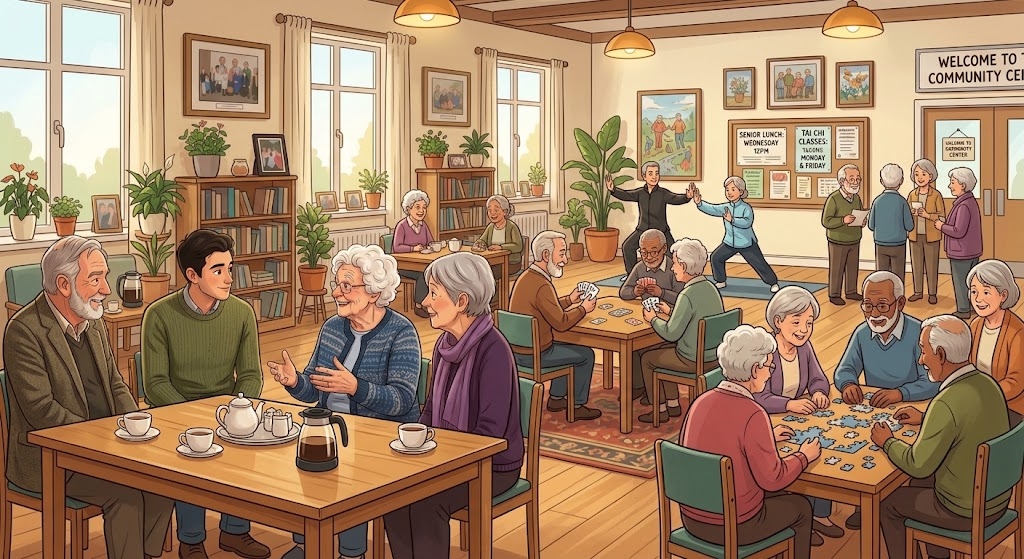
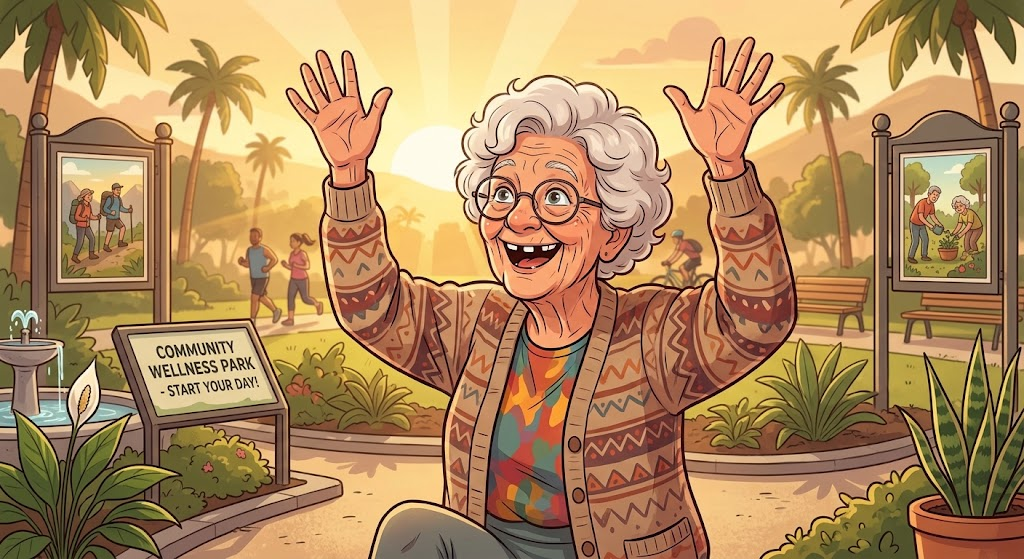
Mental wellbeing must be part of how we approach healthy ageing. Helping older adults stay active, connected and engaged does not always require elaborate programmes. Simple, meaningful activities can make a difference.
Group outings, community gatherings, dancing, singing and creative activities provide opportunities for social interaction and self-expression. They can also encourage people to share memories, stimulate the mind and build stronger relationships.
Research on creative and social activities highlights their potential to support cognitive and emotional wellbeing. Instead of focusing only on the challenges that come with ageing, we should also consider what helps older adults remain engaged, resilient and connected.
Listen to older adults
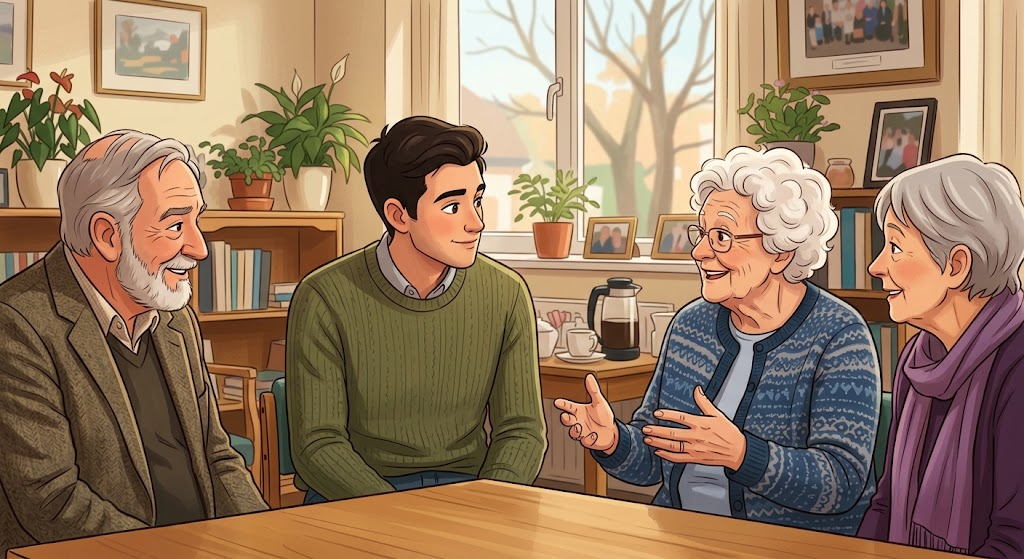
This helps them broaden their horizons.
This year’s World Mental Health Day theme reminds us that listening to lived experiences can lead to meaningful change. For older adults, this means understanding their needs, respecting their preferences and recognising what gives their lives meaning.
Rather than making decisions on their behalf, families, communities and healthcare professionals should involve older adults in decisions that affect them. Supporting their mental wellbeing requires a holistic approach that considers physical and cognitive health alongside emotions, relationships and living environments.
Healthy ageing is not just about adding more years to life. It is about ensuring those years are lived with connection, dignity, meaning and purpose.
If it takes a village to raise a child, it also takes a village to help people age healthily, meaningfully and with dignity.

Professor Dr Rozainee Khairudin is Head of the Department of Psychology at Taylor’s University’s School of Liberal Arts and Sciences, Faculty of Social Sciences and Leisure Management, and Director of the Mental Health and Well-being Impact Lab. Her work focuses on human cognition and behaviour, mental health, cognitive well-being, resilience and quality of life.
References
¹ World Health Organization. World Mental Health Day. https://www.who.int/campaigns/world-mental-health-day
² Department of Statistics Malaysia. Population estimates. https://www.dosm.gov.my/uploads/release-content/file_20260731083618.pdf
³ Malaysian research on mental health among older adults. https://pubmed.ncbi.nlm.nih.gov/27280529/
⁴ Malaysian study on social networks, psychological flourishing and loneliness among older adults. https://pubmed.ncbi.nlm.nih.gov/34026706/