

Think You’re Too Young for Cervical Cancer? Think Again
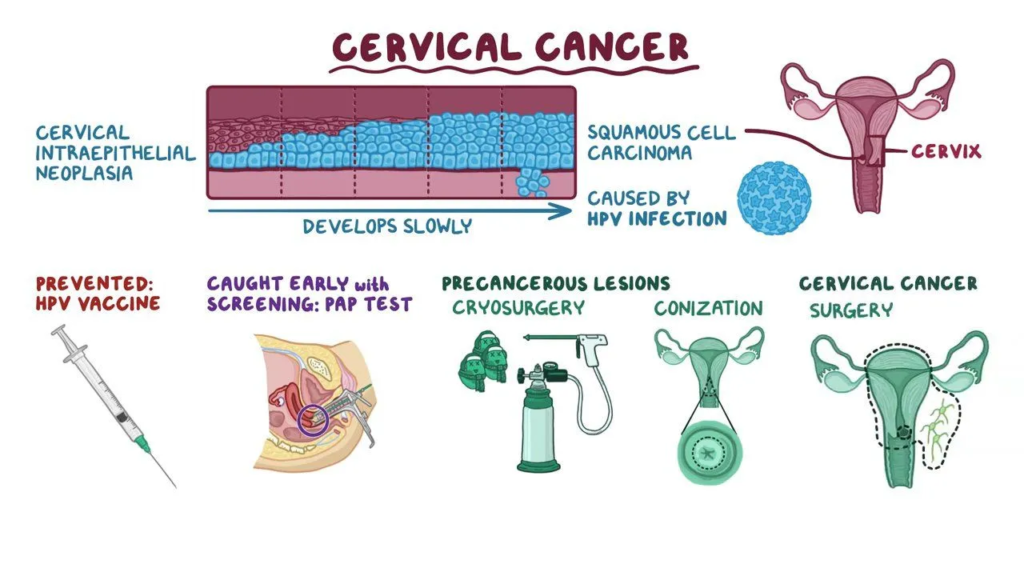
Many women think cervical cancer is a disease that only affects older women. However, doctors are seeing more cases among younger women, including those in their 20s and 30s.
The challenge is that cervical cancer often develops silently. Early symptoms such as irregular bleeding, bleeding after intercourse, or unusual vaginal discharge can be easy to dismiss. As a result, many women only seek treatment when the disease has already advanced.
Today, cervical cancer is the fourth most common cancer among women worldwide and the third most common cancer among Malaysian women. While most cases occur in women aged 40 to 59, healthcare professionals are increasingly seeing younger patients being diagnosed at later stages.
“Cervical cancer is highly preventable, yet many women still come in too late,” says Dr Andi Anggeriana Binti Andi Asri. “Many of my younger patients had never undergone a Pap smear because they didn’t think they were at risk.”
Why Are More Younger Women Getting Cervical Cancer?
One of the biggest reasons is delayed screening. Many women in their 20s and 30s are focused on studies, careers, and family responsibilities, causing routine health checks to take a back seat.
There is also a common misconception that cervical cancer only affects older or married women.
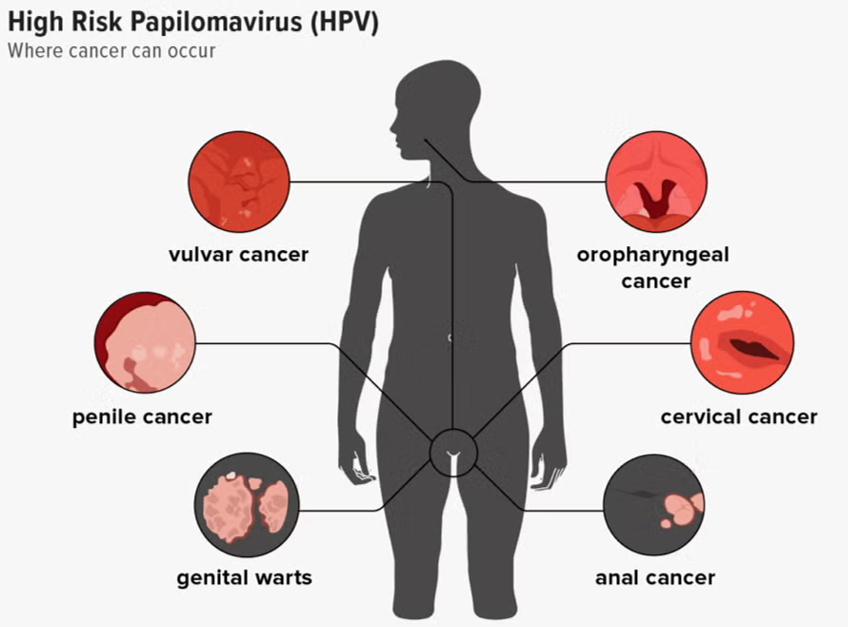
In reality, most cervical cancer cases are caused by the human papillomavirus (HPV), a common virus that can be spread through skin-to-skin contact, including sexual activity. Although many HPV infections clear naturally, certain high-risk strains, such as HPV 16 and HPV 18, can cause changes in cervical cells that may develop into cancer over time.
“HPV is responsible for more than 90% of cervical cancer cases and can be contracted from the first sexual encounter, even with one partner,” explains Dr Andi.
In Malaysia, more than 90% of cervical cancer cases are linked to HPV. Despite this, many women still miss regular cervical cancer screening opportunities, increasing the risk of late diagnosis.
Cervical Cancer Symptoms You Should Never Ignore
Early detection can significantly improve treatment outcomes, which is why recognizing symptoms matters.

According to Dr Mohd Khalis Bin Abdul Rahim, women should seek medical attention if they experience:
- Bleeding between periods
- Bleeding after intercourse
- Bleeding after menopause
- Persistent vaginal discharge with an unpleasant odour
- Ongoing pelvic pain
- Changes in normal menstrual patterns
“We often see women coming to the emergency department with abnormal bleeding that they’ve ignored for months,” says Dr Khalis. “Many assume it’s just a heavy period, but by then the cancer may already be advanced.”
If symptoms continue for more than one or two menstrual cycles, don’t wait. Get checked.
Can Health Apps Detect Cervical Cancer?
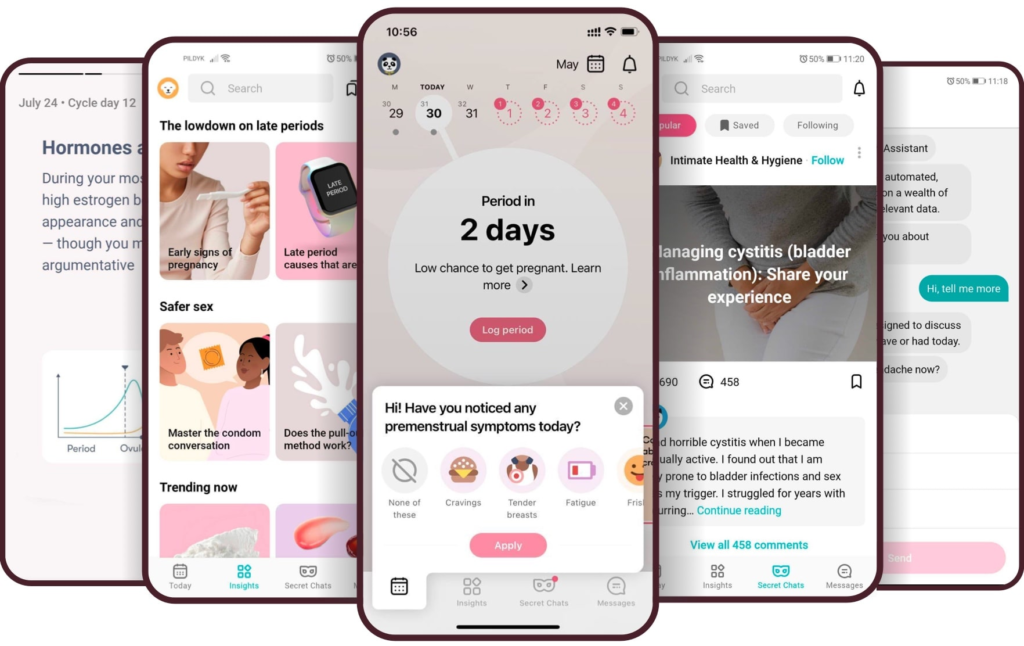
Period-tracking apps and smartwatches can be useful for monitoring menstrual cycles and spotting unusual changes. However, they cannot diagnose cervical cancer.
“Apps can help identify patterns, but they can’t tell you what’s causing them,” says Dr Andi. “A Pap smear or HPV test remains the gold standard for detecting cervical abnormalities early.”
Digital health tools can support awareness, but they should never replace regular medical check-ups and cervical cancer screening.
It’s Not Too Late to Get the HPV Vaccine
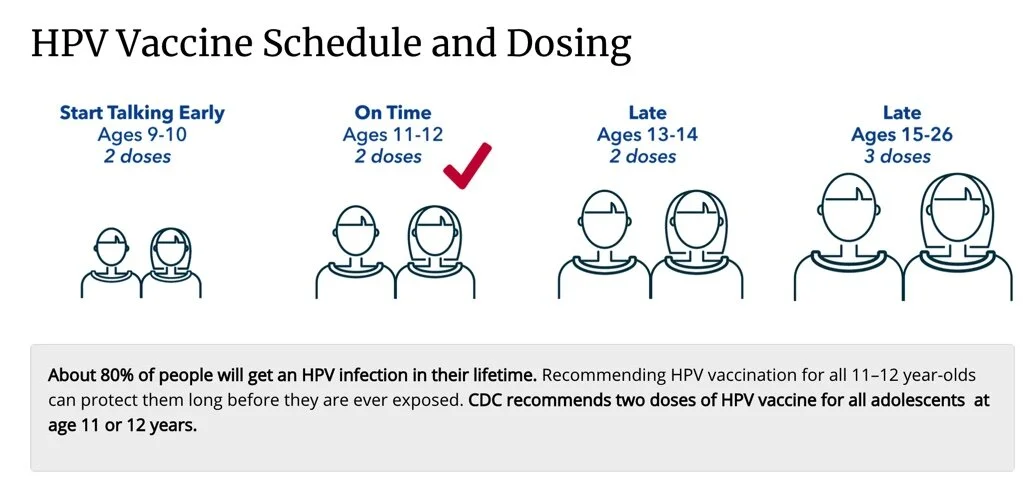
The HPV vaccine is one of the most effective ways to prevent cervical cancer.
While Malaysia’s school vaccination programme offers the vaccine to 13-year-old girls, older teenagers and adults can still benefit from getting vaccinated.
“Even in your 20s or early 30s, the HPV vaccine can help reduce your risk,” says Dr Andi. “It may not protect against every HPV strain, but it provides important protection.”
Why Early Detection Matters
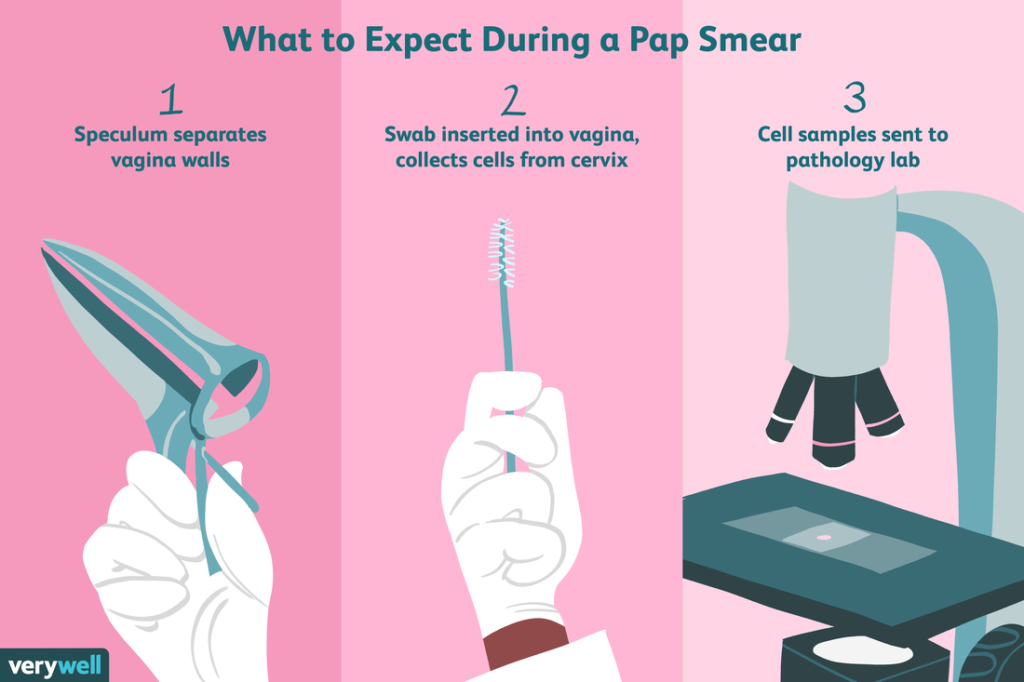
Cervical cancer is one of the few cancers that can be prevented and treated successfully when detected early.
Early diagnosis may allow for less invasive treatment and, in some cases, help preserve fertility. In contrast, advanced-stage cervical cancer often requires chemotherapy, radiation therapy, or major surgery.
“If we catch cervical cancer early, we may not need to remove the uterus. Some women can even go on to conceive naturally,” says Dr Andi.
Three Simple Questions Every Woman Should Ask?

If you notice changes in your cycle, ask yourself:
- Is this bleeding outside my usual cycle?
- Has it happened more than once?
- Would I be concerned if this happened to my sister, daughter, or a close friend?
“If you answer yes to any of these questions, don’t wait to seek medical advice,” says Dr Khalis.
Dr Andi adds, “If you’re uncomfortable with one doctor, seek a second opinion. Your health is too important to ignore.”
Don’t Ignore the Signs
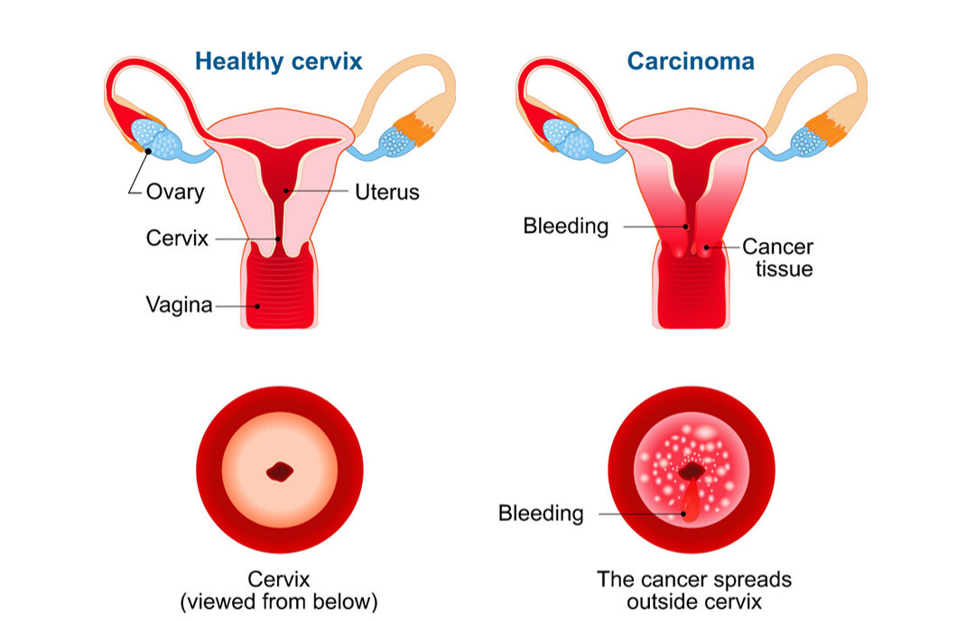
Most women with abnormal bleeding do not have cervical cancer. However, the only way to know for sure is through proper medical evaluation.
Regular Pap smears, HPV testing, HPV vaccination, and attention to warning signs remain the best ways to prevent cervical cancer and protect long-term health.
As Dr Andi puts it: “Cervical cancer doesn’t wait, and neither should you.”
References:
1. World Health Organization (WHO) – Human papillomavirus (HPV) and cervical cancer Fact Sheet Cervical cancer.
2. Ministry of Health Malaysia. (2023). Guidelines for cervical cancer screening in Malaysia 2023.
3. World Health Organization (WHO) – Human papillomavirus (HPV) and cervical cancer Fact Sheet Cervical cancer
National Health and Morbidity Survey (NHMS) 2019