
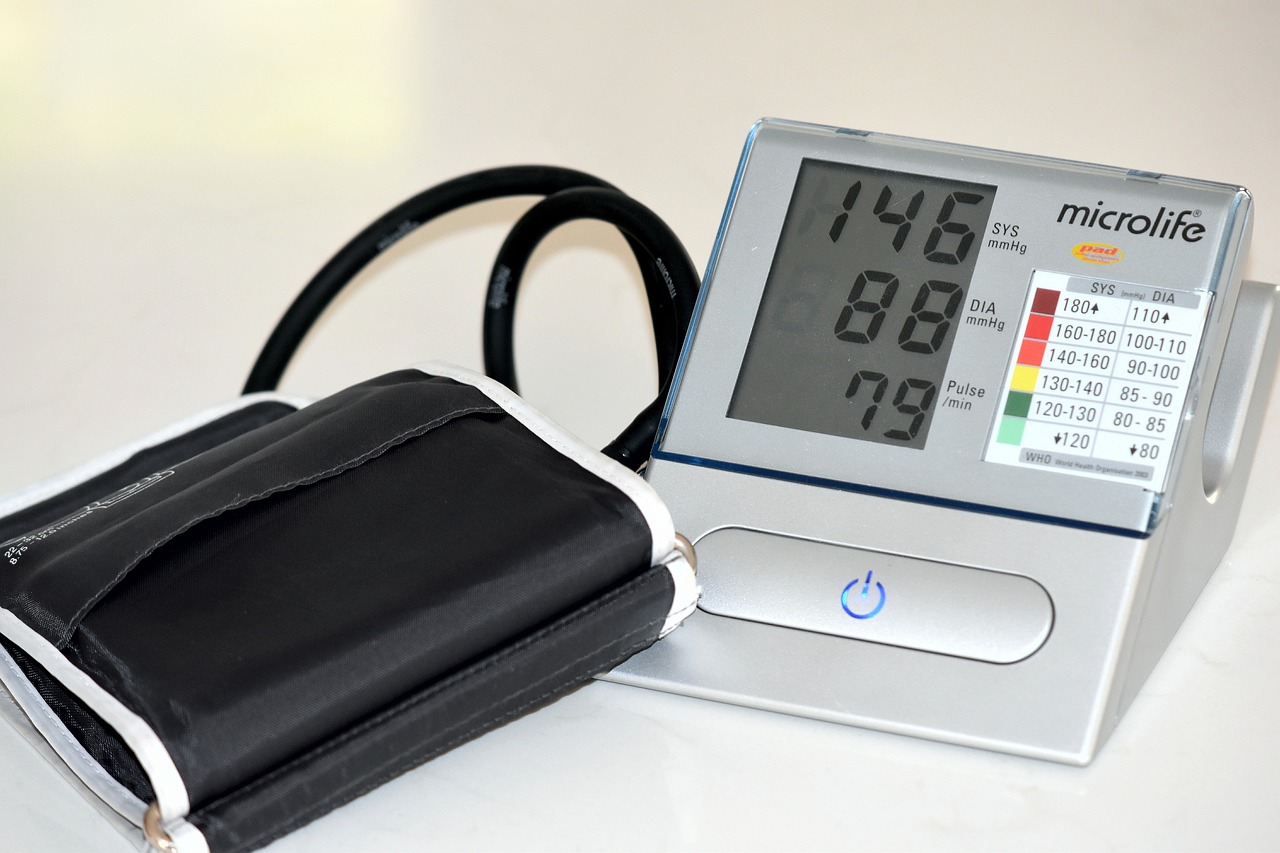
Hypertension & Cardio-Renal-Metabolic (CRM)
Hypertension: Worldwide Overview
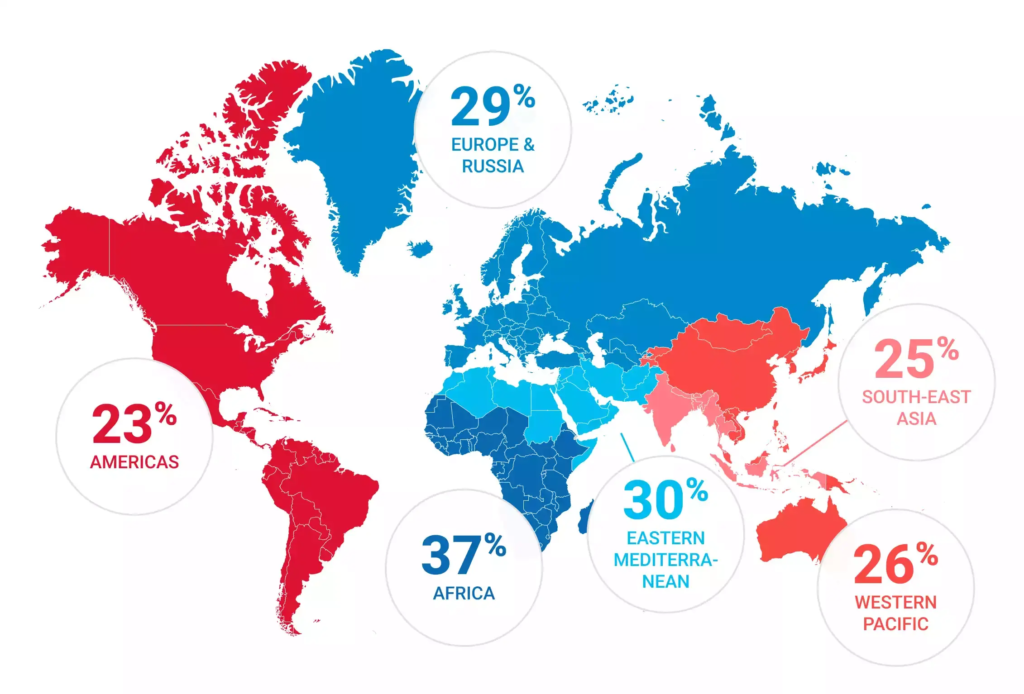
Image from NCDRISC 2015
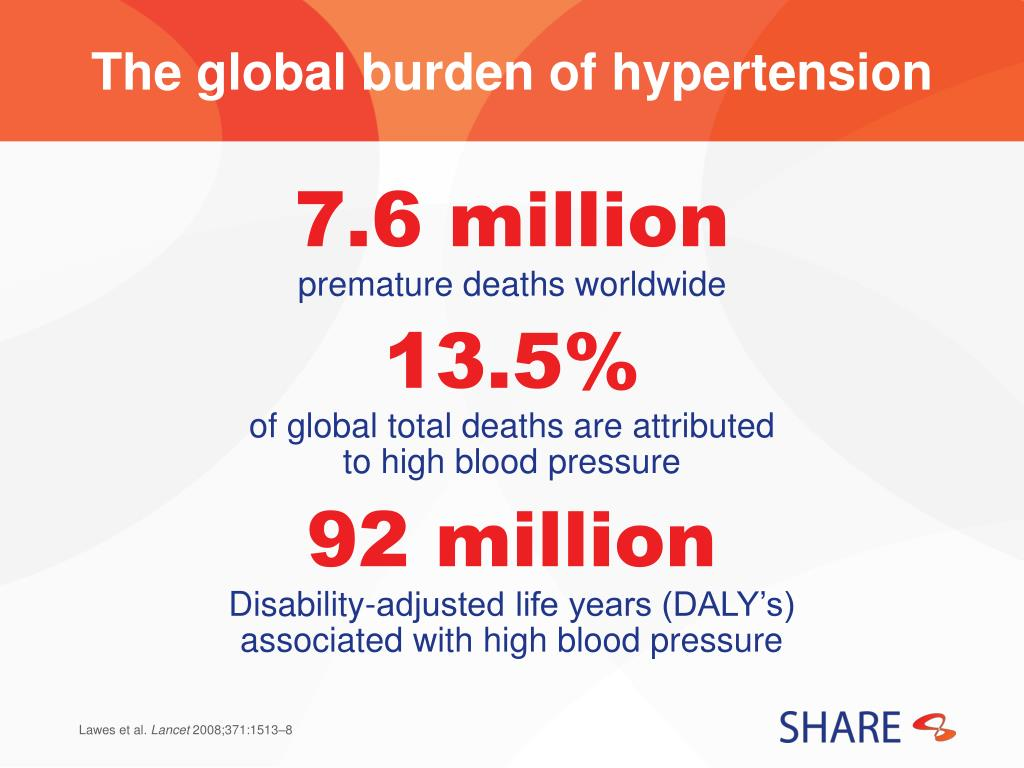
Globally, 1.4 billion people suffer from blood pressure (BP readings above 130/80 mmHg and those that consume medication for the condition). Putting it into perspective, hypertension affects more people than diabetes and depression combined.
Globally, the condition is responsible for more than 10 million fatalities every year, primarily through strokes, heart attacks, and kidney failure.
In Malaysia, nearly one in three or 29.2% Malaysian adults have hypertension, yet 11.9% remain undiagnosed. Much of this rise is fuelled by our national struggle with diabetes and obesity. When blood pressure remains high, it acts as the lead domino, stressing the heart, scarring the delicate filters of the kidneys, and disrupting metabolic balance.
High BP: A Growing Trend Among Young Adults
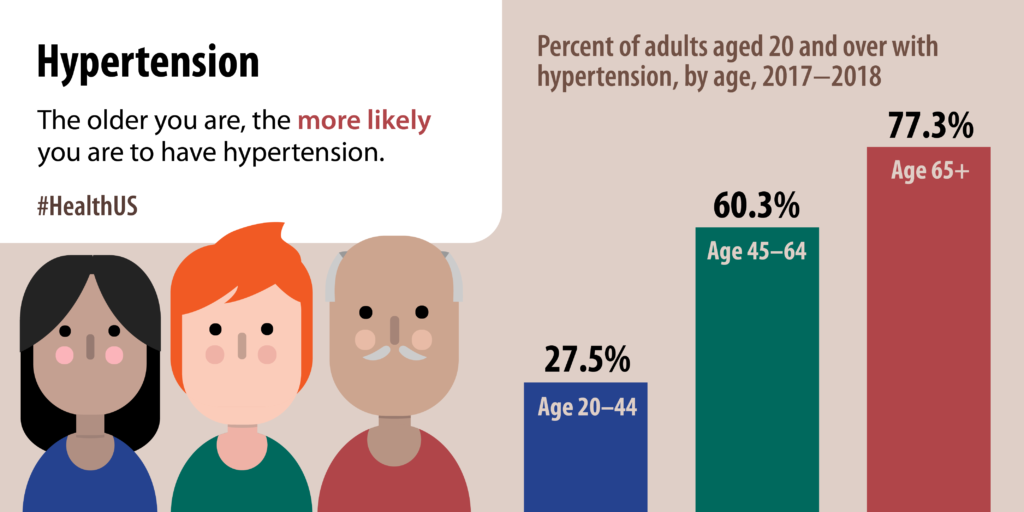
Hypertension was mostly an elderly problem but these days there is an upward trend of those in their 20s and 30s are suffering from it.
This trend among the young adults is caused by:
• Long working hours,
• Chronic stress
• Inadequate sleep
• Lack of exercise
• Smoking
• Excessive salt intake
• High consumption of processed foods
Most adolescents don’t take this condition seriously and view it as just a pair of numbers on their pharmacy slip – that is until it takes a toll on their health and triggers catastrophic conditions.
The Leading Domino: Malaysia’s CRM Burden
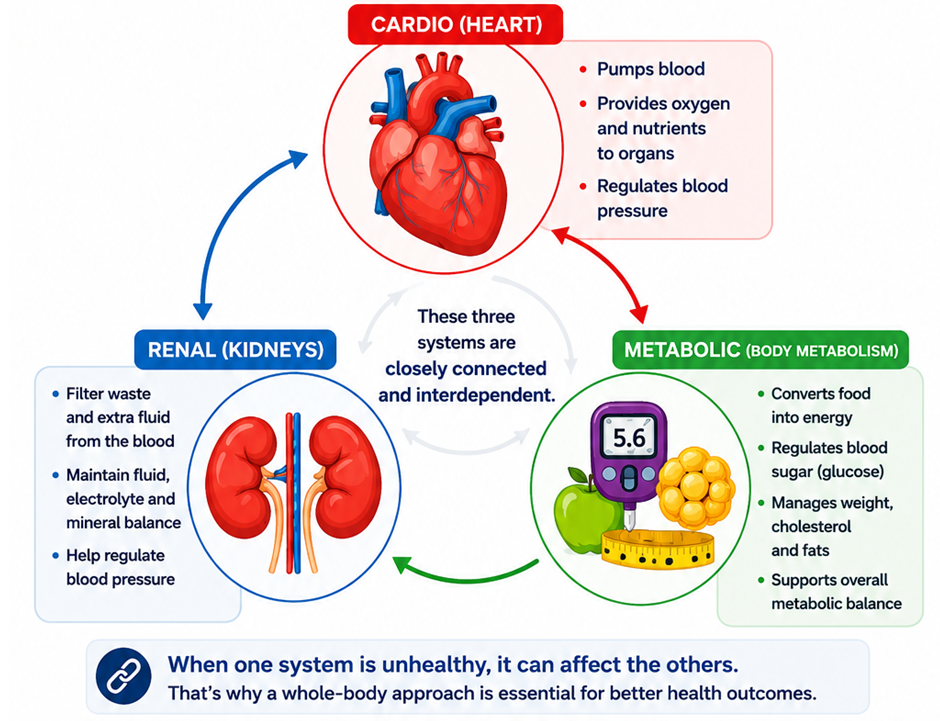
As the nation marks World Hypertension Day 2026 under the theme “Controlling Hypertension Together!”, medical experts are warning that the stakes are changing. The Malaysian healthcare system is breaking and managing blood pressure is the frontline in halting a “Cardio-Renal-Metabolic” (CRM).
CRM stands for Cardio-Renal-Metabolic. It is a medical term doctors use to explain how the heart (cardio), kidneys (renal), and body metabolism (metabolic) are all are deeply interconnected, working together and feeding into one another. If any one of the three organs are affected, it affects all others dangerously.
Know the CRM cycle
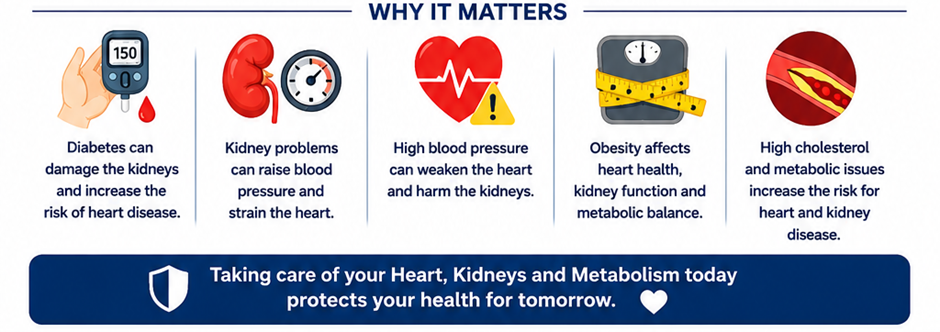
“What begins as an isolated high reading on a pressure cuff often evolves into a multi-organ systemic failure,” explains Dr. Chua Ping Lik. “Diabetes acts as a primary catalyst, damaging the vessel wall and making blood pressure increasingly resistant to control.

As the kidneys begin to fail under this sustained pressure, the body loses its ability to regulate fluid and sodium, creating a volume overload that severely strains the heart. This ends up becoming a lethal chain reaction that must be aggressively disrupted through early intervention.”
“Hypertension is the ultimate silent killer because it often lacks overt clinical symptoms while it quietly erodes the structural integrity of our arterial walls,” says Dr. Chua Ping Lik. “By the time a patient presents with blurred vision or chest pain, significant—and potentially irreversible—end-organ damage to the heart and kidneys may have already occurred.
Time and Independence: The Power of Early Intervention
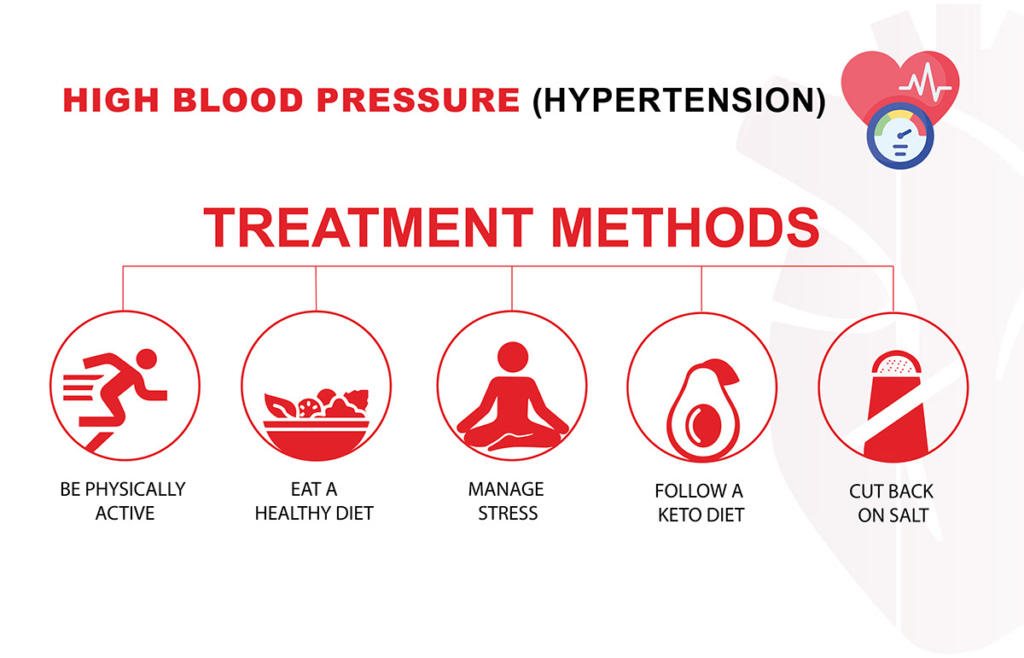
you have high BP already, some tips to reduce it.
Dr. Chua shares, “For individuals living with hypertension, the most profound clinical benefit of early detection is the preservation of the ‘window of opportunity.’
By identifying elevated blood pressure before it becomes chronic, one can implement targeted lifestyle modifications, stress management protocols, and precise pharmacotherapy. These interventions are essential to arrest the pathophysiological progression toward end-stage kidney failure, heart attack, or heart failure.”
Managing blood pressure effectively allows patients to maintain their daily routine, independence, continue their careers, and remain active members of their families without the shadow of sudden stroke or the requirement for long-term dialysis. Beyond the physical, there is an emotional stability that comes with knowing that one’s “numbers” are within a safe range. This helps to reduce the anxiety that often accompanies chronic ailments.
Decentralising Care: The Role of the Local Pharmacy
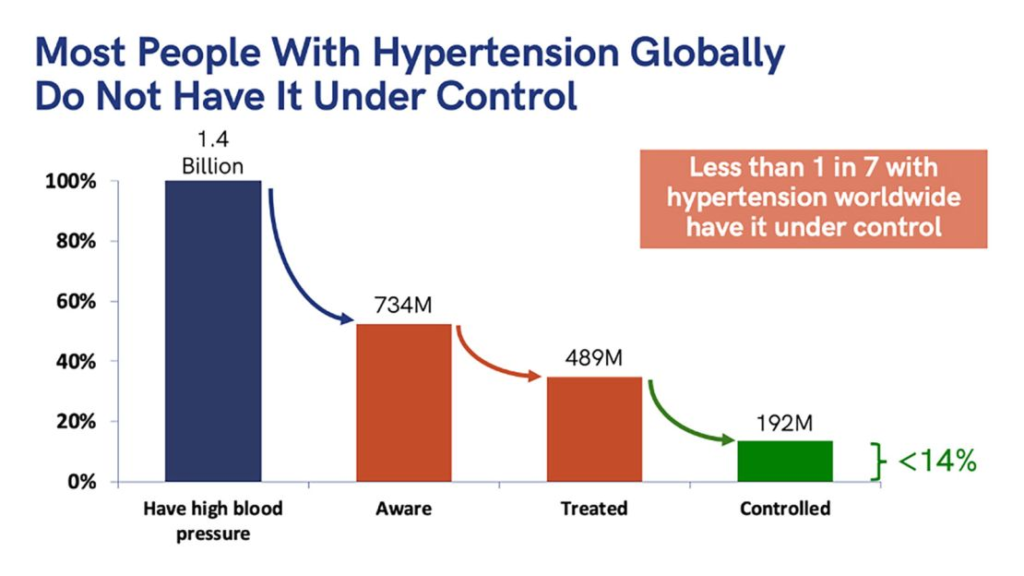
Image taken from CNN.com
Despite the high prevalence of hypertension in Malaysia, routine screening rates remain low. Many people find the idea of a hospital visit daunting or time-consuming. This is where the community retail pharmacy becomes a lifesaver.
“Retail pharmacies are some of the most accessible health hubs in neighborhoods across Malaysia,” says Dr. Chua Ping Lik. “They offer a convenient, ‘walk-in’ environment where one can check their vitals during a regular grocery run without needing an appointment. By moving this first line of defense to the local pharmacy, early detection is integrated into a simple part of daily life rather than a stressful medical hurdle”.
Community pharmacists are now increasingly equipped to offer integrated CRM screenings. They can check blood pressure, blood glucose, BMI, assess the risks of individuals and also provided holistic recommendations.
Conclusion
To conclude it all, don’t wait for a “silent” disease to speak through a crisis. Protect the future by visiting your nearby pharmacy for a blood pressure check today. Controlling hypertension starts with a single, simple screening.
Reference:
[1] https://iku.nih.gov.my/images/nhms2023/report-nhms-2023.pdf