
Is Clean Eating a Fad – What Do You Think?
The only person who uses this “clean eating” term in my home is my brother and it will come when he needs to make a lifestyle change. So, my brother got diagnosed with gastric recently and the acid reflux was bad this time round because he cannot breathe and cannot sleep at night.
So, taking after my father’s extreme behaviour, he goes all out to clean eat. His previous food choices were greasy, oily, sugary and heavily processed meals and now a total overhaul. His menu consists off no rice, steamed fish, chicken soup, loads of fruits and loads of water. Total calorie consumption is 800kcal/ day.
What is Clean Eating, exactly?
Here are the guidelines:
a) Eat More Natural Foods
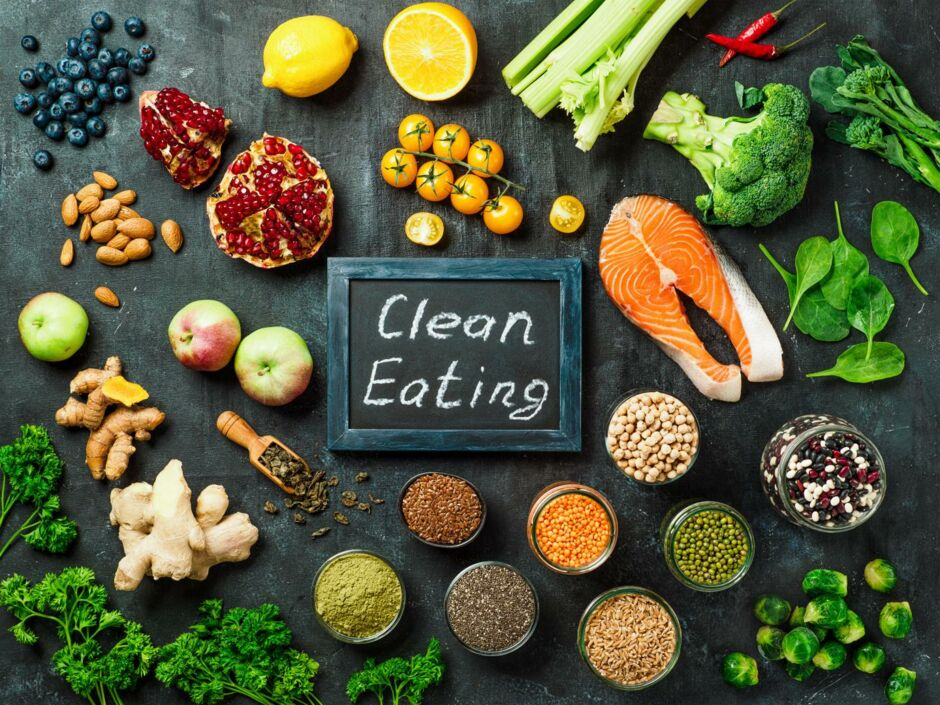
Consume more fruits, vegetables, whole grains, lean proteins, legumes, nuts, and seeds.
b) Limit Processed Foods
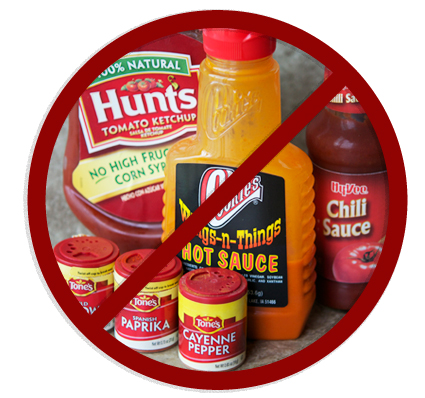
Avoid or reduce foods that are highly processed such as sugary snacks, refined grains, and packaged meals with long ingredient lists that you have never seen or heard off.
c) Cut Back on Sugar and Salt
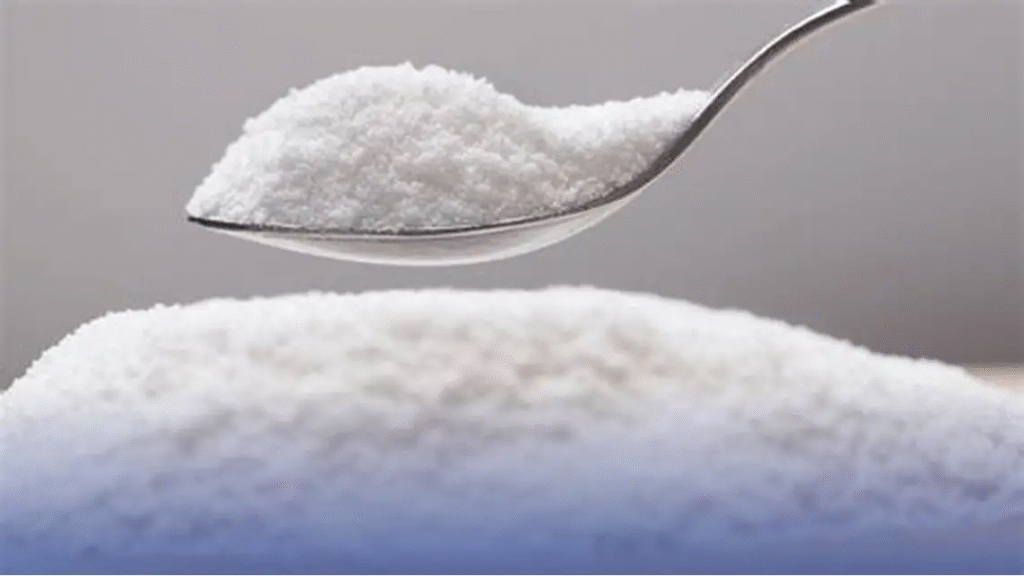
Avoid adding additional sugar to your meals and use herbs and spices instead of salt. Do take note that sugar and salt can come in various identities. Hence, update yourself on the different names.
d) Stay Hydrated
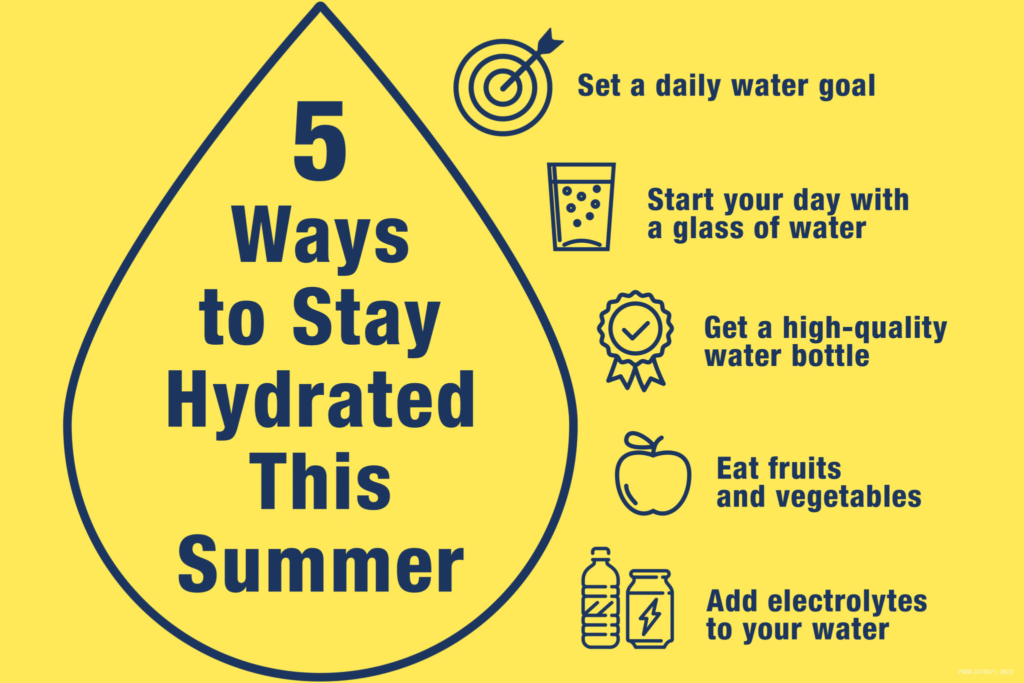
Drink plenty of water and cut off sugary, carbonated and beverages like cold coffee.
e) Read Nutrition Labels
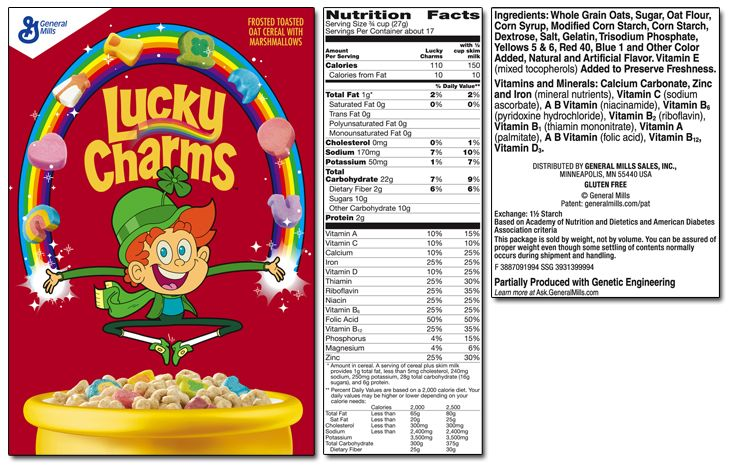
If you do buy packaged food, look for recognisable ingredients. If you do not recognise the ingredients and it has very long and chemical like names, it is highly processed and filled with additives.
f) Home-cooked
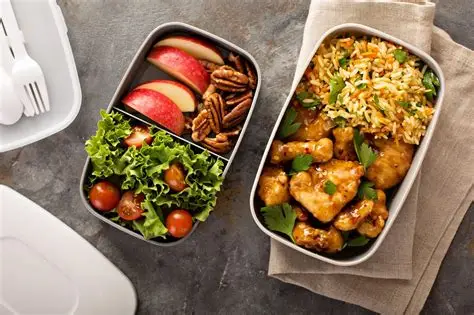
Preparing your own meals gives you control over what the ingredients and condiments that goes into your food.
g) Choose Sustainable and Ethical Foods When Possible
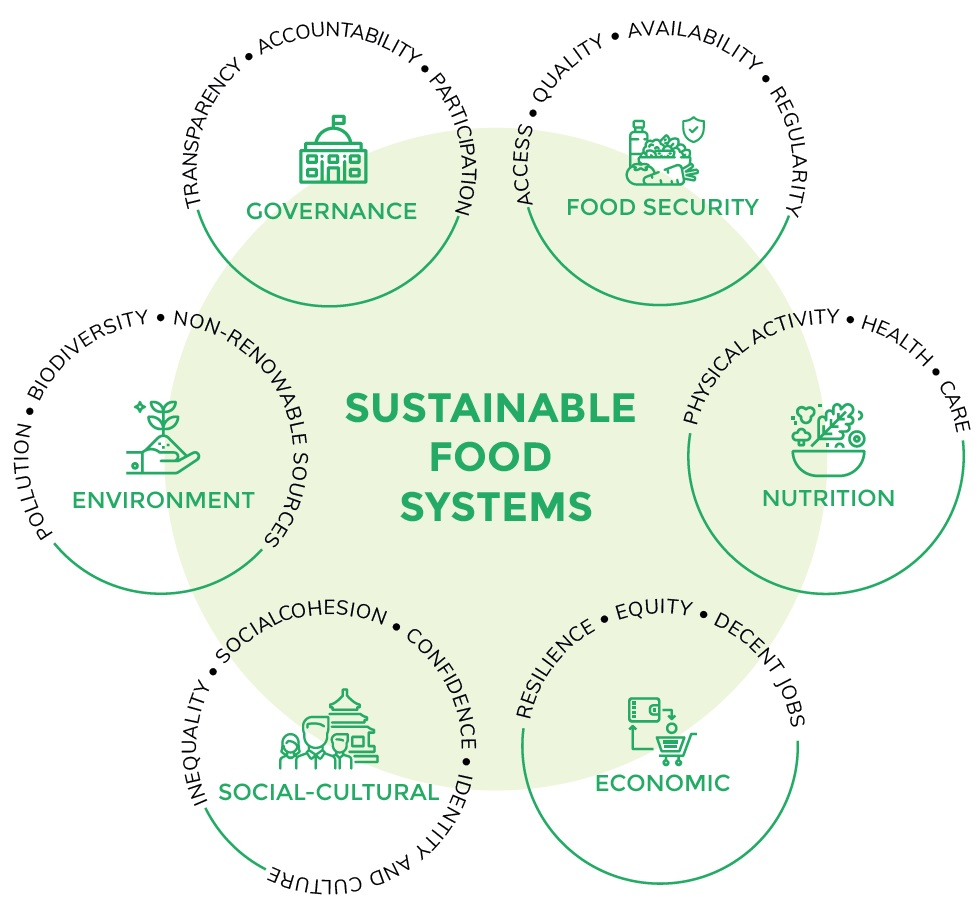
This would be an additional action some practice with regards to their food choices – consider the environmental and ethical impact of their food choices (e.g., organic, local, or grass-fed products).
What my brother fails to understand is that clean eating is not a restrictive diet that is meant to cut off all your favourite foods but rather a long-term lifestyle approach to food. Usually, extreme behaviours do not last long as many lose interest in eating healthy and go back to their previous diets.
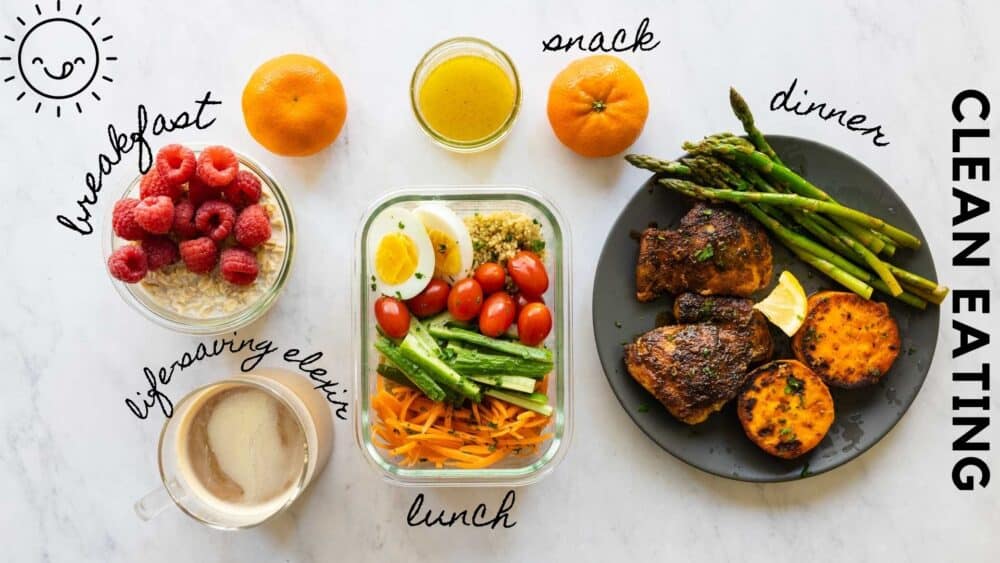
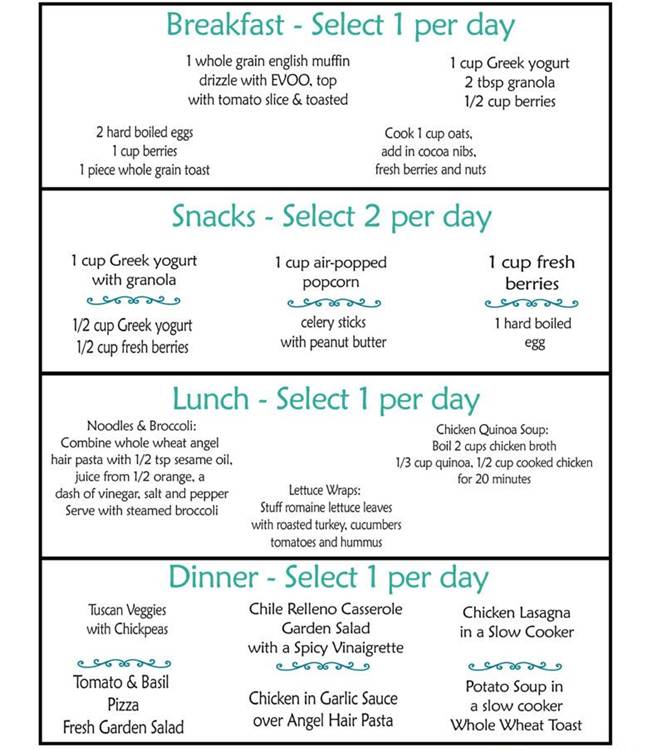
Example of Clean Eating Menu
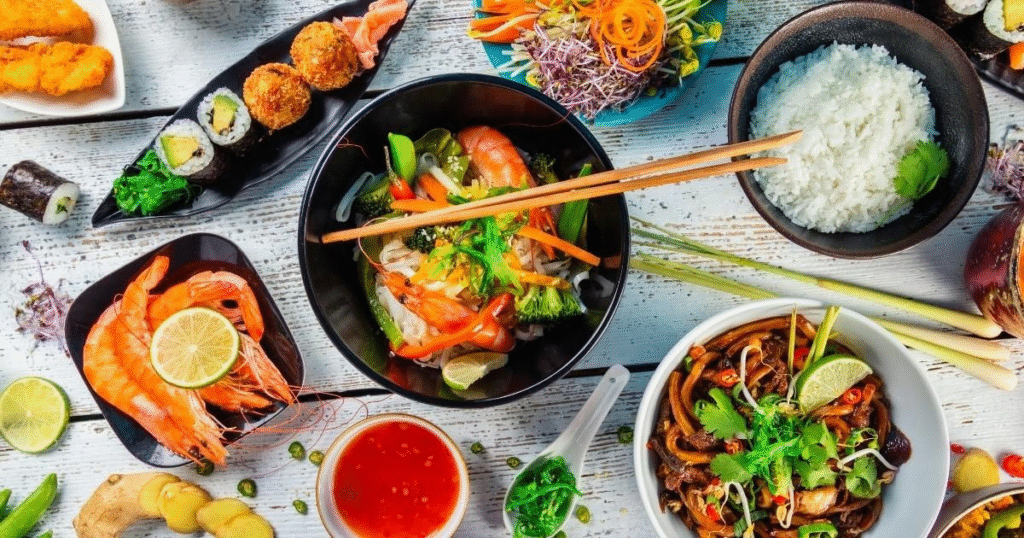
Though this menu may seem more catered to a Western palate, it is always easy to modify it to the Asian palette by adding in spices, curry powder and pepper which has little to no calories.
Most Asian foods are rich in salt, sugar and fat and it takes long hours to prep. Hence, ready to grab food which is healthy and readily available is present mainly in this menu.
What should one know about Clean Eating before embarking on it?
- It’s Not a Diet, It’s a Lifestyle
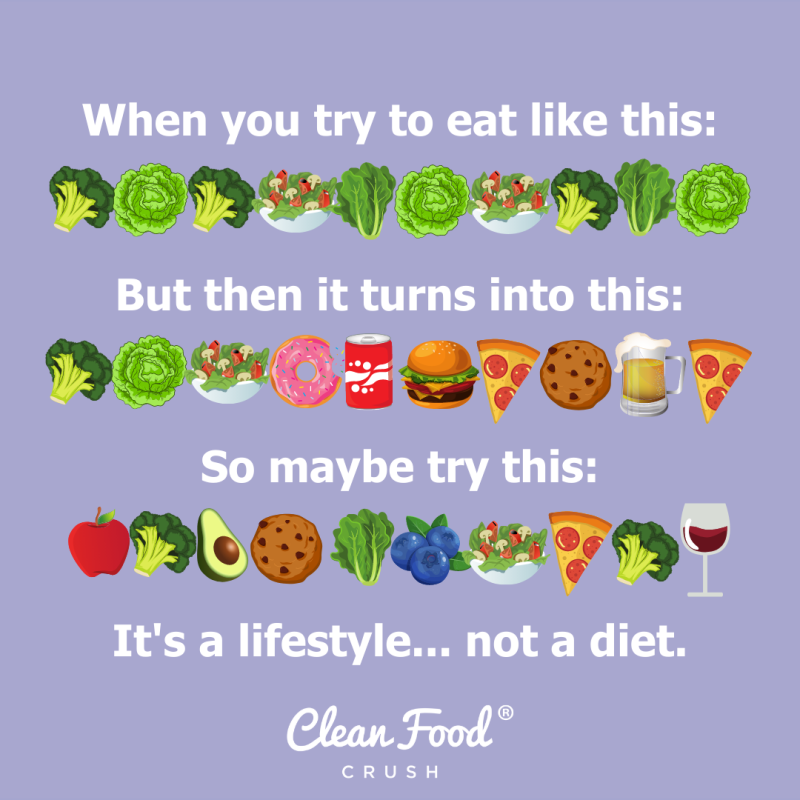
- Clean eating should not feel strict, restrictive and expensive. It should be able to merge with your family diet by making wiser food choices. It also is not expensive if you choose seasonal and local produce. It’s after all about building a lifestyle and not a short-term goal.
- With the choice of seasonal and local produce, one is also advocating for sustainability and going green in a long run.
2. “Clean” Doesn’t Mean It’s Perfect. Unclean Doesn’t Mean is Unhealthy
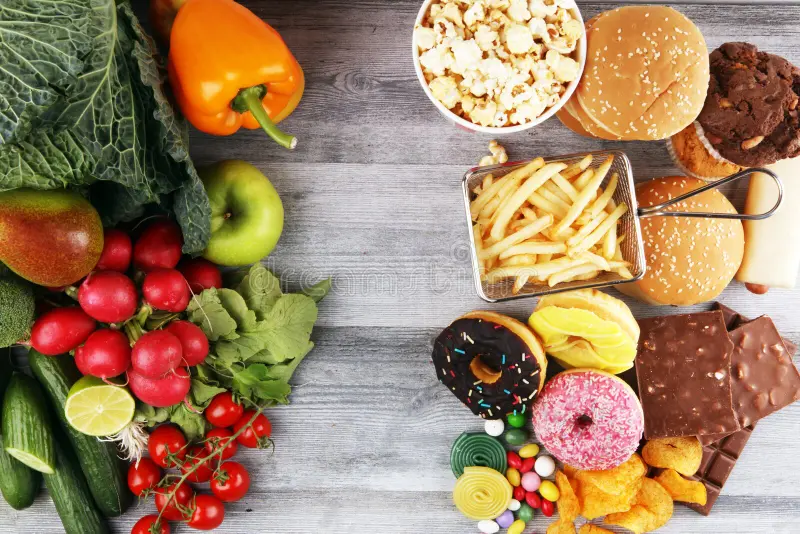
- No food is 100% clean or dirty. These are all terms derived by the market to classify food into different columns based on their nutritional values.
- Indulge in the occasional treats and a dose of processed food once in a while will not make you a sinner. So, cut the guilt!
3. Clean Eating Should be Flexible
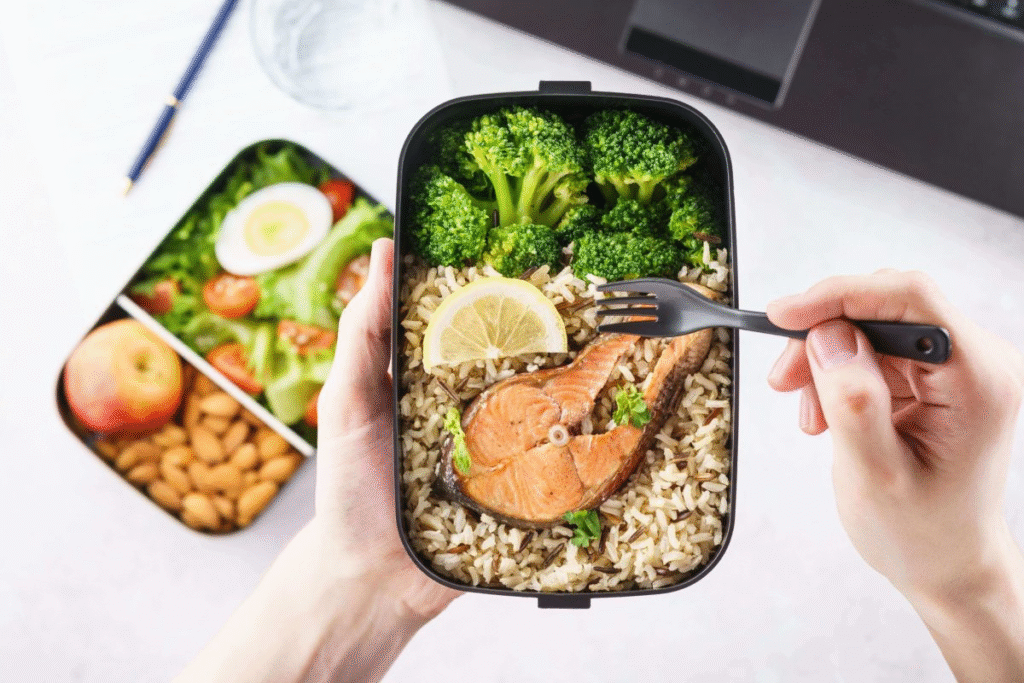
Clean eating should adapt to different cultures, tastes, and dietary needs. Though most eating clean menu reports eating oats, salads and grilled chicken, one should always spend within their means and according to their tastes. In reality, there’s no one-size-fits-all clean eating plate.
4. Mindful Eating and Mental Clarity
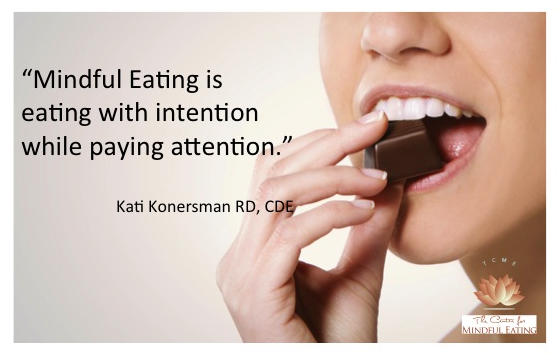
- With clean eating, many have reported a reduced brain fog, improved mental clarity and an overall better mood. This is due to better carb control and higher nutrient intake.
- With clean eating, many start paying attention to nutrition labels on foods and how certain foods make them feel. In a long run, this may improve their relationship with food.
- Also, checking ingredients in food is important. Over time, many will learn that some “natural” or “health” labelled products are still highly processed or loaded with sugars, salt, fats and additives.
5. Let’s talk Hydration
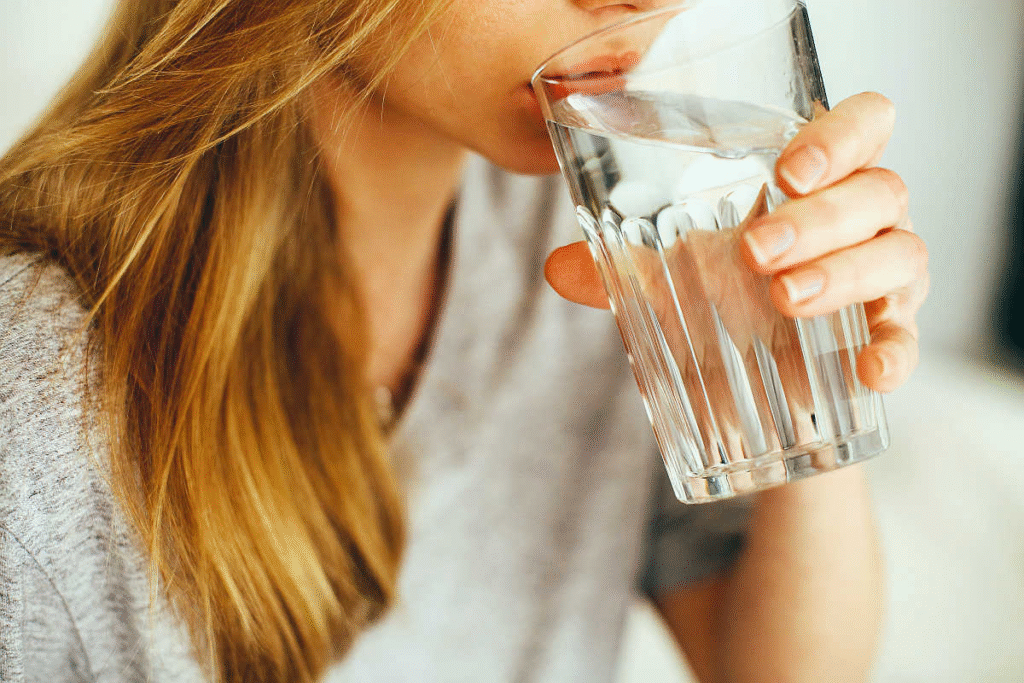
- Together with eating clean, let’s not forget about hydration. Clean eating also includes drinking plenty of water, reducing diuretics like coffee and tea and avoiding carbonated, sugary and cordial drinks.
6. Clean Eating Extremities – Orthorexia
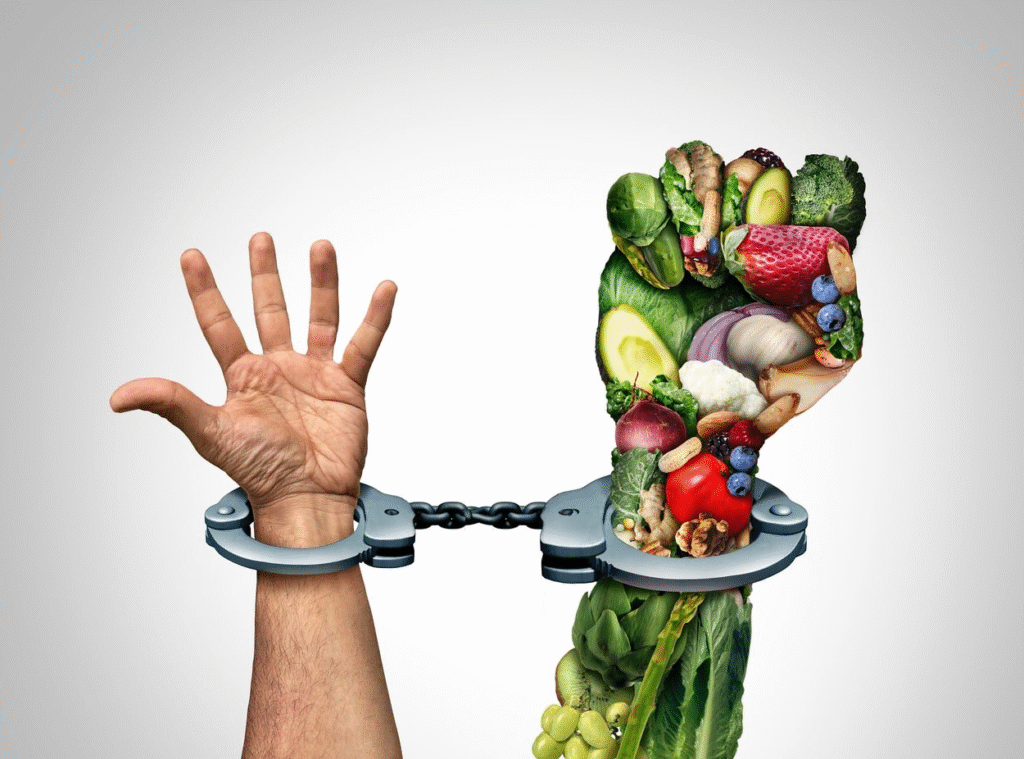
- Orthorexia is an obsession over eating in a healthy way. Eating nutritious food is good, but if one has orthorexia, they obsess about it to a degree that can damage their overall well-being and causes mental agony. Moderation and balance are the key.
Reference
1. Harvard Health Publishing. Harvard Medical School. Clean eating: The good and the bad.