

Childhood Urinary Incontinence: Understanding Bedwetting and Bladder Control Without Blame

Urinary incontinence in children is more common than many parents realise. It can happen during the day, at night, or both.
Daytime urinary incontinence refers to urine leakage while a child is awake. Meanwhile nocturnal enuresis, commonly known as bedwetting, happens during sleep at night.
Occasional accidents can be a normal part of development. However, persistent urinary leakage after the age of five may affect a child’s confidence, school participation and emotional well-being. According to Dr Srihari Singaravel, Consultant Paediatric Urologist, Paediatric and Robotic Surgeon at Sunway Medical Centre, Sunway City, childhood urinary incontinence is often manageable with the right support and treatment.
“Globally, about 10 to 20 percent of children experience nighttime bedwetting, while 7 to 10 percent have daytime symptoms. So, it is not unusual and rarely an issue,” he explains.
What Is Normal and When Should Parents Be Concerned?
Bladder control develops gradually as children grow. Most children achieve daytime bladder control between the ages of two and three, while staying dry throughout the night can take longer, sometimes until around seven years of age. A common misconception is that children wet the bed simply because they sleep too deeply. However, this is not always the case.

“For some children, the signal from the bladder does not reach the brain in time, resulting in urinary incontinence,” Dr Srihari explains. A child may not recognise that their bladder is full while they are asleep. Some children may also produce more urine at night due to hormonal patterns, while others may develop a habit of holding their urine during the day.
“These are functional issues rather than structural problems. The bladder is healthy but not yet fully coordinated,” he adds. Parents should consider seeking medical advice when urinary accidents are frequent, associated with urgency, or begin interfering with a child’s daily activities.
For example, parents may notice that their child needs to urinate very frequently, cannot go more than an hour without using the toilet, or has repeated accidents at school or home. Other symptoms, such as constipation or recurrent urinary tract infections, should also be taken seriously as they may point to an underlying problem.
The Often-Overlooked Link Between Constipation and Bladder Control

Constipation is one of the most common and overlooked factors associated with urinary problems in children. “The bladder and bowel sit very closely together and function as part of the same system. If the bowel is full, it can press against the bladder, reduce its capacity and make it more overactive,” says Dr Srihari.
This may result in urinary urgency, frequent urination and difficulty emptying the bladder completely. In some children, improving bowel habits can significantly improve urinary symptoms.
Toileting habits can also make a difference. For instance, children whose feet do not touch the floor when sitting on the toilet may find it harder to maintain a proper position and empty their bowels effectively.
Simple Steps Parents Can Try at Home
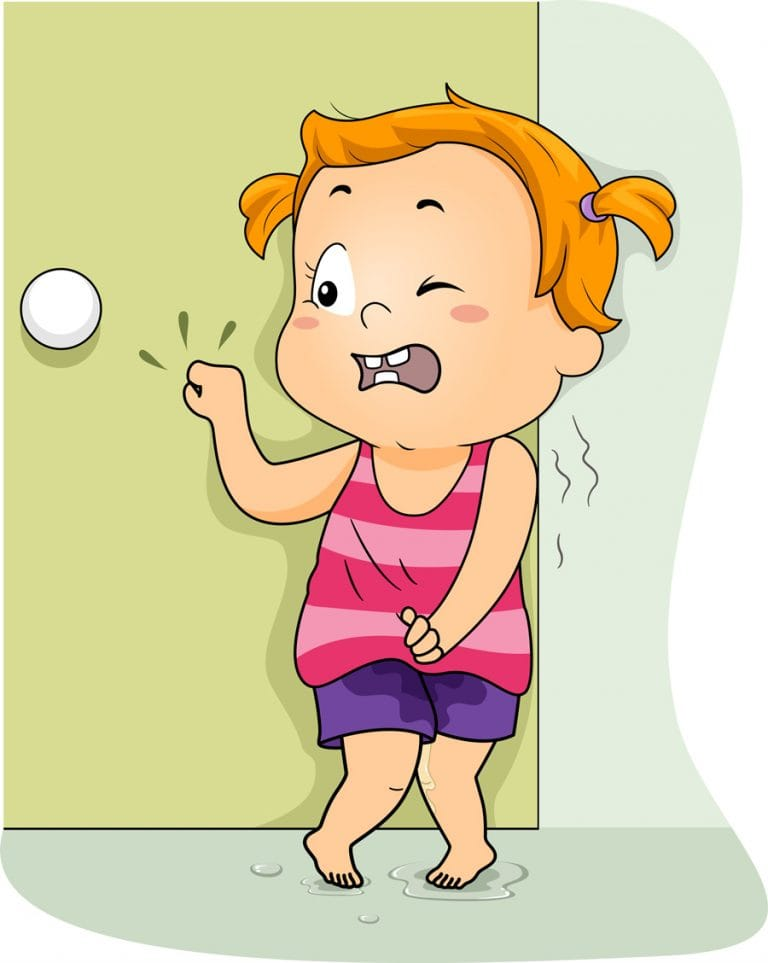
The good news is that many children can improve with simple and consistent changes to their daily routines.
Dr Srihari recommends encouraging children to:
-Use the toilet regularly, approximately every two to three hours.
-Avoid holding urine for prolonged periods.
-Drink enough fluids, particularly earlier in the day.
-Avoid excessive fluid intake close to bedtime.
-Maintain regular bowel habits.
-Eat a balanced diet containing adequate fibre and fluids.
“These are small changes, but when done consistently, they can make a meaningful difference,” he says. Parents should also avoid turning toilet routines into a source of stress. Gentle reminders are generally more helpful than criticism or punishment.
When Does a Child Need Medical Treatment?

Some children may need medical assessment and treatment, particularly when urinary symptoms persist or begin affecting their confidence and everyday activities. Treatment depends on whether the symptoms occur during the day, at night, or both.
For children with nighttime bedwetting, medication may sometimes be considered when the condition affects their quality of life, such as making school trips, camps or sleepovers difficult.
One medication option works by mimicking the body’s natural antidiuretic hormone, helping to reduce urine production at night. For daytime urinary symptoms, treatment focuses on identifying and managing the underlying cause. This may include treating constipation or, when appropriate, using medication to help relax an overactive bladder.
When a child experiences both daytime and nighttime symptoms, daytime bladder problems are generally addressed first. However, treatment is not the same for every child.
“We need to understand how the bladder is functioning before starting medication,” Dr Srihari says. Depending on the symptoms, doctors may use tools such as ultrasound, uroflow studies and bladder diaries to better understand a child’s bladder function. For some children with bedwetting, treatment may involve a period of medication followed by a break to assess progress. Many children respond well to treatment, although the approach and duration will vary depending on the individual child.
Supporting Children Without Shame
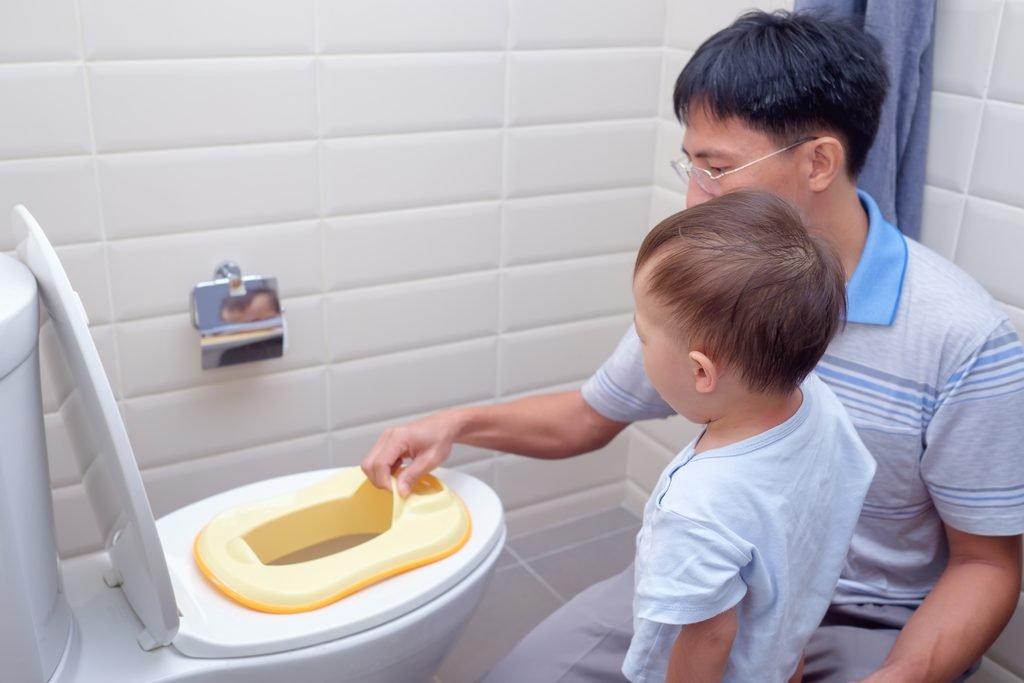
Medical treatment is only one part of managing childhood urinary incontinence. Emotional support is equally important.
Children who wet themselves may feel embarrassed, anxious or different from their peers, particularly when accidents happen at school, during sleepovers or on family trips.
“The first step is to remove blame. This is not something the child is doing intentionally,” says Dr Srihari. Parents can help by keeping toilet routines calm, recognising their child’s efforts and avoiding punishment.
Teachers and caregivers can also play an important role by providing easy access to toilets and handling accidents discreetly and respectfully. “Urinary incontinence is a medical and developmental issue, not a discipline problem,” he adds. With patience, understanding and appropriate care, many children can improve significantly.
Most importantly, children should know that bedwetting or urinary accidents are not something to be ashamed of.
As Dr Srihari concludes, “Children need understanding, patience, and the right care instead of judgement.”